Peaceful Gardens
Pristina, Kosovo
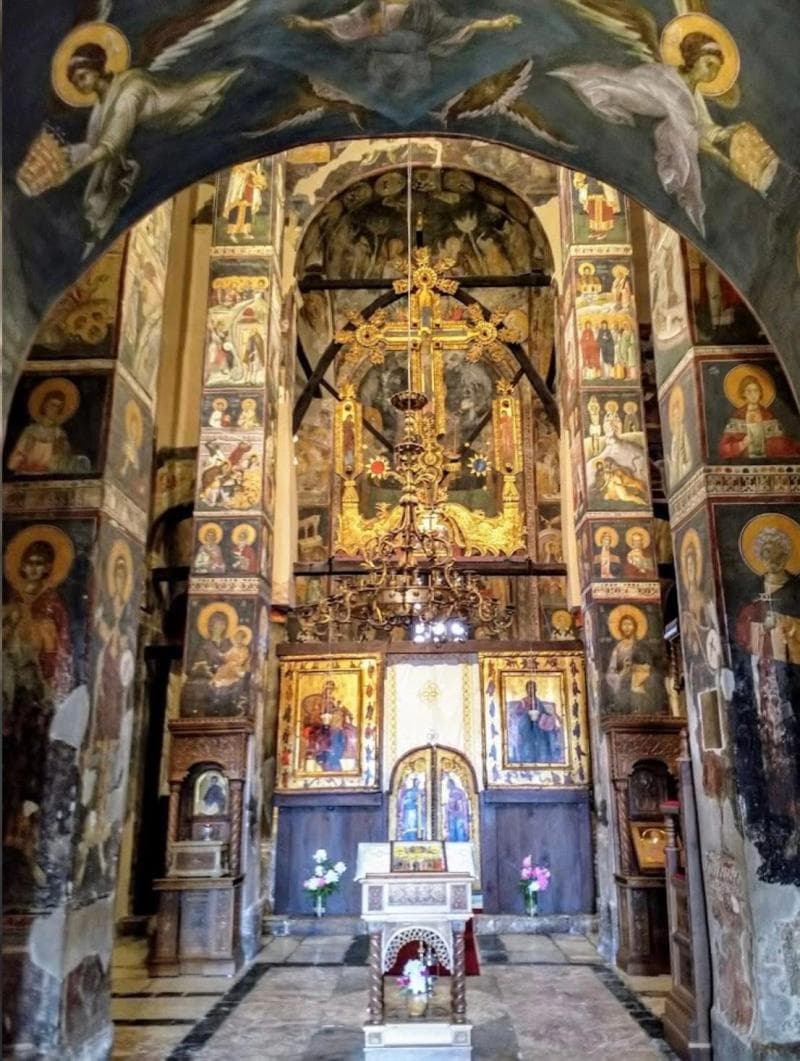
Discover the Peaceful Gardens of Gracanica Monastery in Pristina, Kosovo. Explore this UNESCO World Heritage site's rich history, stunning frescoes, and serene grounds for a truly spiritual experience.
Overview
Tucked away just a short drive from Pristina, Kosovo, lies the magnificent Gracanica Monastery, a UNESCO World Heritage site that stands as a testament to centuries of rich history and spiritual devotion. Within its historic walls and serene surroundings, one discovers what can only be described as the Peaceful Gardens – a tranquil expanse of well-maintained grounds offering a quiet respite for contemplation. This active Serbian Orthodox monastery, founded in the 14th century, is a vibrant spiritual center, cherished for its extraordinary Byzantine architecture and remarkably preserved frescoes.
Visitors to Gracanica Monastery are invited to explore not just a historical monument, but a living sanctuary where faith and artistic heritage intertwine. The monastery's grounds, often noted for their calm and peaceful ambiance, perfectly complement the architectural grandeur of the main church. It serves as a significant cultural and national hub for the Serb community in Kosovo, representing a profound link to a enduring past.
History & Cultural Background
The story of Gracanica Monastery begins in 1321, when it was established by the Serbian King Stefan Milutin. Built upon the foundations of earlier religious structures, including a 6th-century basilica, the monastery was originally dedicated to the Dormition of the Virgin Mary. King Milutin's dedication is famously inscribed on the southern wall of the chapel, recounting his pledge to rebuild and adorn the temple.
Throughout its long history, Gracanica has endured numerous challenges, including damage during Ottoman rule and the Kosovo War. Despite these trials, it consistently served as an important cultural and spiritual center. In the 16th century, it housed a metropolitan center and even established one of the first printing offices in medieval Serbia. After World War II, the monastery was revitalized and functions today as a nunnery, with approximately 20 nuns who uphold its traditions, including icon painting and agricultural work.
What Makes It Special
Gracanica Monastery is celebrated for its distinctive Serbo-Byzantine architectural style, particularly its striking five-domed design. The central dome rises dramatically, surrounded by four smaller domes, creating a visually harmonious and deeply spiritual edifice. The exterior is characterized by a cloisonné technique using alternating rows of stone and brick, a hallmark of the period's craftsmanship.
However, it is perhaps the interior frescoes that truly set Gracanica apart. Considered masterpieces of Palaeologan Renaissance art, these 14th to 16th-century murals depict a rich tapestry of biblical scenes, portraits of saints, and historical figures, including King Milutin himself. These vibrant and detailed paintings, remarkably preserved, transform the church's interior into an 'enchanted cavern of vivid, lifelike murals', offering an unparalleled glimpse into medieval artistry and devotion.
Stories, Fun Facts & Local Details
The resilience of Gracanica Monastery is a story in itself. It has been a silent witness to significant historical events, including the Battle of Kosovo in 1389. Its survival through centuries of conflict underscores its profound importance as a beacon of Serbian Orthodox identity and culture. The monastery was designated a Monument of Culture of Exceptional Importance in 1990 and later inscribed on the UNESCO World Heritage List in 2006, recognizing its outstanding universal value.
Today, the nuns of Gracanica continue a long tradition of monastic life, engaging in daily prayers, as well as artistic and agricultural endeavors. The monastery complex, with its 'serene walled garden' and 'large, grassy grounds', is not merely a museum but a living, breathing spiritual community that actively preserves its heritage. The environment encourages visitors to slow down and immerse themselves in the deep sense of peace that permeates the area.
Visitor Perspective
Visiting Gracanica Monastery offers a deeply moving and educational experience. The atmosphere within the monastery grounds, often described as peaceful and quiet, invites visitors to step away from the bustle of modern life and engage in quiet reflection. While exploring the 'monastery grounds', travelers will appreciate the thoughtful upkeep of the natural spaces, which contribute to the overall tranquility.
There is no entrance fee to visit the monastery. Visitors are encouraged to dress respectfully, meaning no shorts or sleeveless tops, and photography is generally prohibited inside the church to preserve the sanctity of the space and the delicate frescoes. The experience of witnessing the ancient frescoes and walking the hallowed grounds provides a profound connection to the past and a moment of spiritual calm in the heart of Kosovo.
Coordinates: 21.1893, 42.5923
View on Google Maps💬 How Travelers Describe This Place
Based on community votes
Interesting
948Photogenic
913Beautiful
595Must See
358Unique
196
Traveler Stories
Discover memorable experiences shared by travelers who have visited this place.
No traveler stories yet.
Be the first traveler to share what made this place memorable.

Tour
By
Spot
Discover amazing places around the world. Your journey starts here.
Explore
© 2026 TourBySpot. All rights reserved.