Parthenon Gallery
Athens, Greece
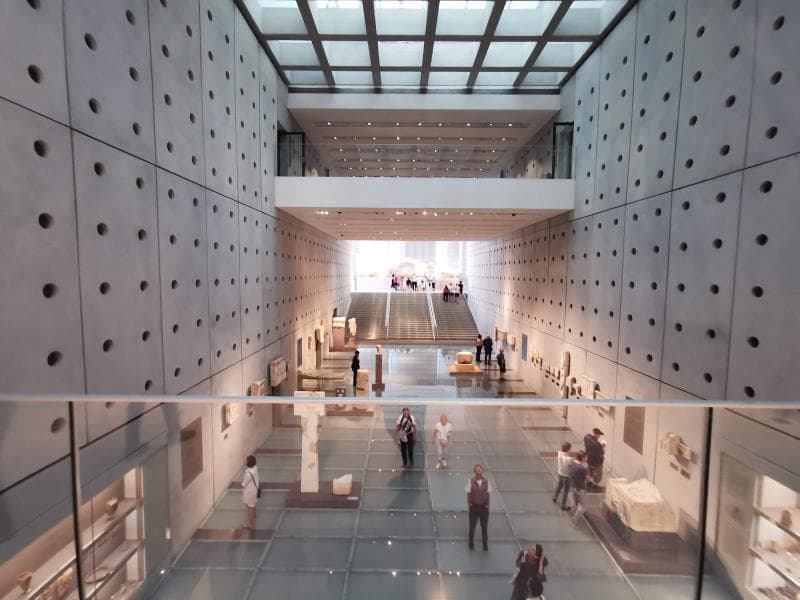
Discover the Parthenon Gallery at the Acropolis Museum in Athens, Greece. Explore ancient sculptures, friezes, metopes, and pediments of the Parthenon.
Overview
Ascending to the third floor of the modern Acropolis Museum in Athens, visitors encounter the magnificent Parthenon Gallery, the architectural and emotional climax of the museum's exhibition. This dedicated space is meticulously designed to house the surviving sculptural masterpieces that once adorned the Parthenon, the iconic temple on the Acropolis. It offers an unparalleled opportunity to view the Parthenon's pediments, metopes, and the continuous frieze, providing a profound connection to ancient Greek art and history.
The gallery's unique design precisely replicates the dimensions and orientation of the Parthenon's cella, allowing for an immersive experience that mirrors walking around the ancient temple itself. Through its impressive glass walls, visitors are offered direct, breathtaking views of the Acropolis and the Parthenon, linking the artworks directly to their original architectural context.
History & Cultural Background
The Parthenon, built between 447 and 432 BC during the Golden Age of Athens under Pericles, was dedicated to the goddess Athena Parthenos. Its elaborate sculptural decoration, largely attributed to the workshop of the great sculptor Pheidias, is a pinnacle of classical Greek art. The frieze, metopes, and pediments told stories of Athenian mythology, history, and civic pride.
The Parthenon frieze, a continuous band of relief sculpture measuring 160 meters, depicted the Panathenaic Procession, Athens' most important religious festival held every four years to honor Athena. This grand procession involved citizens, cavalry, musicians, and gods, all moving towards the eastern façade of the temple. The metopes, relief panels positioned above the columns, showcased mythological battles such as the Centauromachy, Amazonomachy, Gigantomachy, and scenes from the Trojan War. The triangular pediments at the east and west ends of the temple featured monumental figures illustrating the birth of Athena and the contest between Athena and Poseidon for patronage of Athens.
The Acropolis Museum itself was conceived and opened in 2009, partly to provide a suitable home for these invaluable artifacts, ensuring their preservation and proper display, and importantly, to strengthen Greece's plea for the return of sculptures currently held abroad, often referred to as the 'Elgin Marbles'.
What Makes It Special
The Parthenon Gallery is a masterpiece of museum architecture, distinguishing itself through its thoughtful design and the powerful narrative it conveys. Its exact alignment with the Parthenon on the Acropolis hill above, visible through the expansive glass panels, establishes an immediate and profound connection between the ancient sculptures and their source monument.
The exhibition space, a rectangular glass-walled chamber, allows natural light to illuminate the ancient marble, bringing the sculptures to life much as they would have been seen in antiquity. The frieze blocks are mounted at a lower height than their original position on the Parthenon, making it easier for visitors to appreciate their intricate details. Furthermore, the gallery thoughtfully integrates original marble pieces with white plaster casts of those sections housed in other museums, primarily the British Museum. This visual juxtaposition not only presents a more complete picture of the Parthenon's sculptural program but also serves as a poignant reminder of the fragmented nature of this cultural heritage.
Stories, Fun Facts & Local Details
Imagine ancient Athenians, every four years, gathering to celebrate the Panathenaia, a festival so grand it was immortalized in the Parthenon frieze. As you walk around the gallery, you're tracing the path of this very procession: horsemen, chariots, sacrificial animals, and even Olympian gods are depicted, offering a snapshot of life and religious devotion in 5th-century BC Athens.
A notable aspect of the Parthenon Gallery is its subtle yet powerful commentary on the reunification of the Parthenon sculptures. The bright white plaster casts stand in stark contrast to the aged, weathered original marble, visually highlighting the absence of the pieces currently in foreign museums. This display makes a compelling argument for the integrity of the ensemble, allowing visitors to viscerally understand the fragmentation of the frieze's continuous narrative.
Beyond the sculptures, the gallery's atrium and south vestibule offer additional insights, including displays about the construction costs of the Parthenon and the gold-and-ivory statue of Athena Parthenos, revealing details about Athenian democratic institutions and the political climate of the era.
Visitor Perspective
Stepping into the Parthenon Gallery is often described as an awe-inspiring experience. Many visitors find it to be the highlight of their Acropolis Museum journey, providing essential context to the ruins they may have already explored on the Acropolis itself. The thoughtful arrangement of the sculptures, combined with the views of the actual Parthenon through the windows, creates a powerful sense of place and history.
It's a contemplative space, where one can marvel at the artistic mastery of Pheidias' workshop and ponder the stories etched in marble. The gallery doesn't just display artifacts; it invites you to walk in the footsteps of ancient Athenians, to witness their beliefs, their artistry, and their civic pride, all while connecting the past to the present with the majestic Acropolis still presiding over Athens.
Coordinates: 23.7286, 37.9686
View on Google Maps💬 How Travelers Describe This Place
Based on community votes
Must See
898Photogenic
853Beautiful
667Interesting
190Unique
32
Traveler Stories
Discover memorable experiences shared by travelers who have visited this place.
No traveler stories yet.
Be the first traveler to share what made this place memorable.

Tour
By
Spot
Discover amazing places around the world. Your journey starts here.
Explore
© 2026 TourBySpot. All rights reserved.