Panoramic Terraces
Nice, France
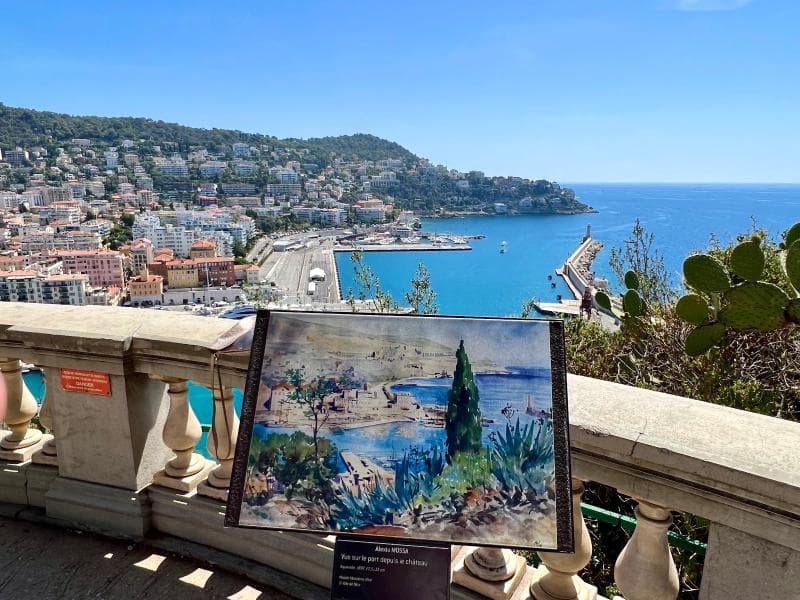
Discover Nice's Panoramic Terraces on Colline du Château. Enjoy breathtaking 360-degree views of the French Riviera, Old Town, and Port Lympia.
Overview
Perched majestically above the vibrant city of Nice, France, the Panoramic Terraces within Colline du Château offer an unrivaled vantage point, inviting travelers to gaze upon one of the Côte d'Azur's most iconic vistas. Often referred to as Castle Hill, this green oasis provides a breathtaking 360-degree panorama, capturing the sweeping curve of the Baie des Anges, the terracotta rooftops of Vieux-Nice, and the bustling activity of Port Lympia. It's a place where the shimmering Mediterranean Sea meets historical charm, providing a tranquil escape and a perfect photographic opportunity that encapsulates the essence of the French Riviera.
History & Cultural Background
The story of Colline du Château is deeply intertwined with the very genesis of Nice itself. This strategic hilltop was the original settlement for the ancient Greeks who founded Nikaia, the precursor to modern Nice, around 500 BC or the 3rd century BC. For centuries, from the 11th century onwards, it was home to a formidable medieval castle and citadel, considered impregnable, which guarded the city. This stronghold played a pivotal role in the region's defense, enduring several sieges. However, its fate was sealed in 1706 when, following a prolonged conflict between France and the Duchy of Savoy, King Louis XIV ordered its complete demolition to ensure it could never again be used against French forces. Today, while the grand castle no longer stands, its historical footprint remains. Visitors can still explore remnants of the old fortifications and the ruins of the ancient cathedral, which stood here until the transfer of the bishopric. The site was then transformed into a public park in the early 19th century, becoming the beloved green space it is today.
What Makes It Special
The true magic of the Panoramic Terraces lies in their unparalleled views. From these elevated platforms, approximately 92 meters above sea level, one can absorb the stunning contrast of the deep blue Mediterranean Sea against the distinctive red and ochre hues of Nice's Old Town. To the west, the famous Promenade des Anglais unfurls along the Baie des Anges, while to the east, the picturesque Port Lympia, dotted with yachts, comes into view. Beyond the visual spectacle, the hill is a verdant park, meticulously landscaped with shady paths and lush vegetation. A highlight is the artificial waterfall, Cascade Dijon, constructed in 1885. This cascading water not only adds a refreshing element but also served a practical purpose, acting as an overflow for Nice's first modern water supply. The entire area provides a serene environment, a natural haven in the heart of the bustling city.
Stories, Fun Facts & Local Details
- The Daily Cannon Shot: Listen closely at noon each day, and you'll hear a cannon blast echo across Nice. This charming tradition dates back to the 19th century, supposedly started by a Scottish lord, Sir Thomas Coventry-More, to signal to his wife that it was time for lunch.
- Cemeteries with a View: Tucked away on the hill are two historic cemeteries, Christian and Jewish, offering peaceful final resting places with their own quiet dignity and beautiful surroundings.
- The Bellanda Tower: Standing prominently at the foot of the hill, the Bellanda Tower offers one of the most iconic views. This tower, while not the original medieval structure, was rebuilt in the mid-19th century on the site of the former Saint Elmo tower and now houses a museum.
- A Cradle of the Sun: Local folklore sometimes refers to Colline du Château as the 'Cradle of the Sun' because its unique position allows for views of both the sunrise over the old harbor and the sunset over the Promenade des Anglais.
Visitor Perspective
Reaching the Panoramic Terraces is an experience in itself, offering options for every traveler. For those seeking ease, a free elevator, originally built during World War II, is conveniently located near the Bellanda Tower on Rue des Ponchettes, whisking visitors up effortlessly. Alternatively, more adventurous spirits can ascend via one of several staircases, such as the Montée Lesage, which wind their way up the hillside, providing intermittent views and a rewarding sense of accomplishment. A small tourist train also offers a leisurely ride to the summit. Once at the top, the area is a delight to explore, featuring well-maintained walking paths, children's playgrounds, and shaded picnic areas. There's even a café to enjoy a refreshment with an unmatched backdrop. Whether you're a history enthusiast, a keen photographer, or simply looking for a peaceful spot to admire Nice's beauty, the Panoramic Terraces provide a memorable encounter with the city's charm and history.
Coordinates: 7.27965, 43.69593
View on Google Maps💬 How Travelers Describe This Place
Based on community votes
Photogenic
951Unique
748Beautiful
499Interesting
427Must See
94
Traveler Stories
Discover memorable experiences shared by travelers who have visited this place.
No traveler stories yet.
Be the first traveler to share what made this place memorable.

Tour
By
Spot
Discover amazing places around the world. Your journey starts here.
Explore
© 2026 TourBySpot. All rights reserved.