Palapas
Cancún, Mexico
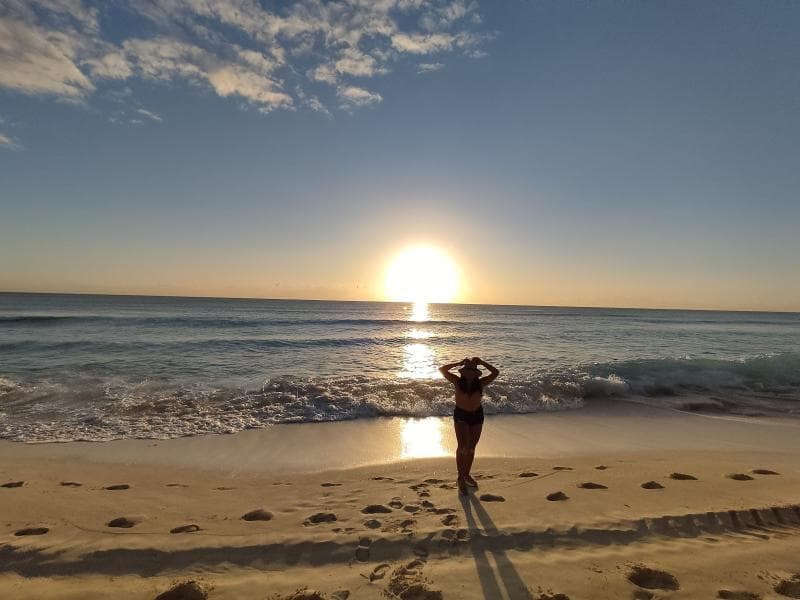

Discover the free palapas and breathtaking views at Playa Delfines in Cancún, Mexico. Explore this iconic public beach, its history, and cultural significance.
Overview
Nestled along the pristine coastline of Cancún, Mexico, Playa Delfines stands as a cherished public beach, often referred to as 'El Mirador' due to its captivating panoramic views of the Caribbean Sea. Unlike many of Cancún's beaches, Playa Delfines offers a refreshing expanse free from the towering resorts, making it a favorite among both locals and discerning travelers. This natural beauty is complemented by the presence of traditional palapas, which are thatched-roof shelters providing a welcome respite from the sun. These charming structures are a defining characteristic of the beach, inviting visitors to relax and soak in the tranquil atmosphere. The beach is also famously recognized by the vibrant 'CANCÚN' sign, a popular spot for memorable photographs against the backdrop of the turquoise waters and white, coral-origin sand.
History & Cultural Background
The history of Cancún, and by extension its beaches like Playa Delfines, traces back to ancient Mayan civilizations, although the modern city was conceived as a major tourism project in the late 1960s and early 1970s. Before this transformation, the coastline was primarily used by local communities for fishing and trade, with nature remaining largely untouched for centuries. The palapas found at Playa Delfines are more than just sun shelters; they are a nod to traditional Mexican and Mayan architecture, where such structures have been used for generations, built with natural materials like palm fronds. This architectural element connects visitors to the region's rich indigenous heritage, offering a tangible link to a simpler, more organic way of life. The beach's name, 'Playa Delfines,' meaning 'Dolphin Beach,' reflects a time when pods of dolphins were a common sight near the shore, weaving a natural narrative into its identity.
What Makes It Special
Playa Delfines holds a unique place among Cancún's beaches for several compelling reasons. Foremost among these are the numerous free palapas, which distinguish it as one of the few public beaches where visitors can find natural shade without commercial rental fees, operating on a first-come, first-served basis. This contributes significantly to its appeal as a true public haven, unencumbered by private resort infrastructure. The beach's expansive stretch of soft, white sand and the brilliant turquoise waters are consistently praised, offering ample space for relaxation and recreation. Furthermore, Playa Delfines is renowned for its moderate to strong waves, making it a popular destination for surfers, a less common offering among Cancún's generally calmer bay-facing beaches. The iconic 'CANCÚN' sign, with its colorful letters representing elements of Mayan culture and the Mexican Caribbean, serves as a modern cultural landmark and an irresistible photo opportunity, drawing visitors from all over.
Stories, Fun Facts & Local Details
While the name 'Playa Delfines' suggests frequent dolphin sightings, these are now less common, though early mornings or sunsets during May to September still offer the best chance to spot them further out. The beach is also known locally as 'El Mirador,' acknowledging the elevated platform that provides spectacular views of the coastline and the open Caribbean Sea. The palapas themselves embody a fun, practical aspect of local culture—a simple yet effective design born from necessity and natural resources. It's a place where you can often witness local families enjoying their weekends, a testament to its authentic appeal. Visitors should note that while vendors selling drinks and snacks are present, there are no large commercial establishments directly on the beach, preserving its natural, untouched feel.
Visitor Perspective
For visitors, Playa Delfines offers a refreshing and authentic Cancún experience. The availability of free palapas provides a sense of comfort and convenience, allowing travelers to enjoy hours on the beach without worrying about shade. It's advisable to arrive early, especially during peak season, to secure one of these coveted spots. The strong waves, while excellent for surfing, warrant caution for swimmers, and visitors should always heed the colored flag warnings and lifeguard instructions. Facilities such as free public restrooms, showers, and ample parking enhance the visitor experience. Beyond swimming and sunbathing, the beach offers opportunities for picturesque walks, photography at the famous sign, and simply enjoying the raw beauty of the Caribbean, making it a memorable stop for anyone seeking the essence of Cancún's natural charm.
Coordinates: -86.7712, 21.0785
View on Google Maps💬 How Travelers Describe This Place
Based on community votes
Interesting
948Photogenic
913Beautiful
595Must See
358Unique
196
Traveler Stories
Discover memorable experiences shared by travelers who have visited this place.
No traveler stories yet.
Be the first traveler to share what made this place memorable.

Tour
By
Spot
Discover amazing places around the world. Your journey starts here.
Explore
© 2026 TourBySpot. All rights reserved.