Painting Gallery
Shanghai, China
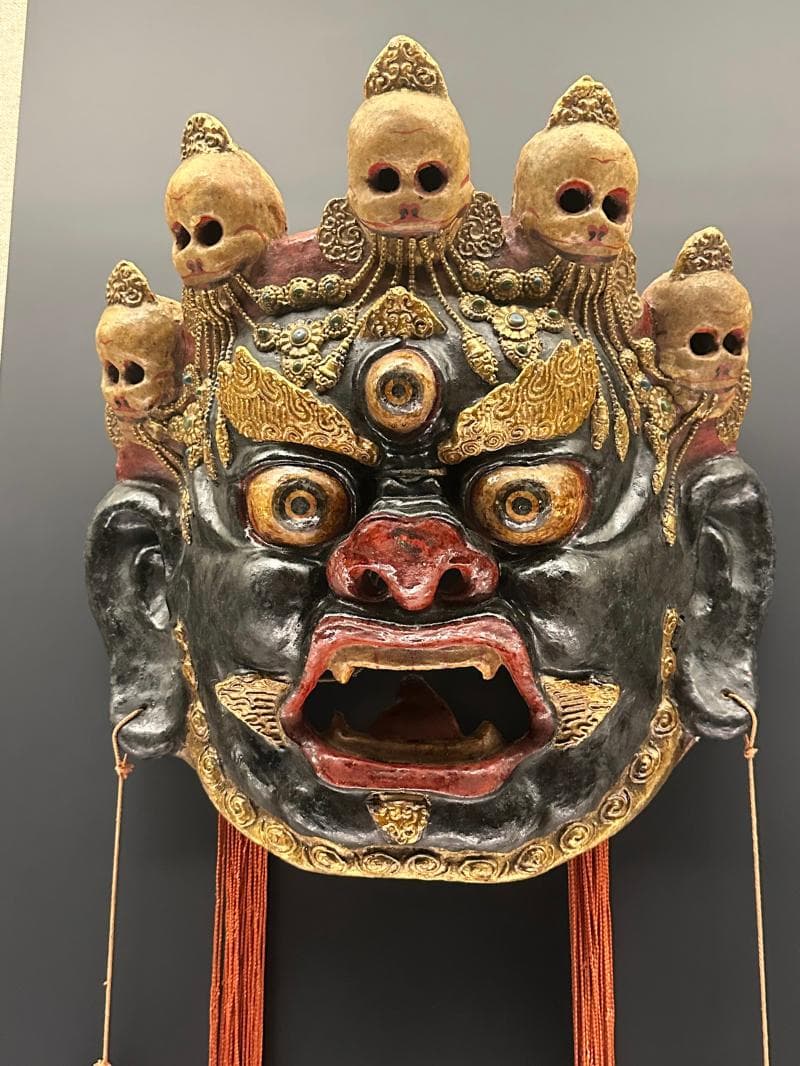
Explore the Chinese Painting Gallery at Shanghai Museum, China. Discover centuries of traditional Chinese art, from ancient dynasties to modern works.
Overview
Within the esteemed Shanghai Museum in Shanghai, China, lies the Chinese Painting Gallery, a captivating sub-spot dedicated to the rich and intricate history of Chinese traditional art. Located primarily on the third floor of the museum's People's Square main building, this gallery offers an immersive journey through centuries of brushwork and artistic expression. It showcases an extensive collection of ancient Chinese paintings, highlighting the evolution of various styles, techniques, and philosophical underpinnings that define this unique art form. Visitors can expect to explore masterpieces spanning from the Tang and Song dynasties through the Yuan, Ming, and Qing dynasties, providing a profound understanding of China's cultural heritage.
History & Cultural Background
The history of Chinese painting is a chronicle deeply intertwined with the nation's cultural and spiritual development. The Chinese Painting Gallery at the Shanghai Museum reflects this long and storied past, tracing the origins and transformations of different painting genres. Early Chinese painting, as early as the Warring States period (475-221 BCE), initially focused on figure painting, a genre that matured by the Wei, Jin, Northern, and Southern Dynasties (220-589) and flourished during the Tang dynasty (618-907).
Landscape painting, which once served merely as background elements, gradually emerged as an independent art form during the Sui dynasty (581-618) and reached its zenith during the Tang and Song dynasties (618-1279). Following this, the literati painting, a style emphasizing the artist's subjective emotions, aspirations, and scholarly cultivation, gained prominence from the Song and Yuan dynasties (960-1368) onwards. The Ming and Qing dynasties (1368-1911) saw a diverse development with major trends focusing on archaic imitation and innovation, often integrating poetry, calligraphy, and seals. More recently, the Shanghai School pioneered the modernization of Chinese painting in the late Qing dynasty, contributing significantly to modern Chinese art.
What Makes It Special
What truly sets the Chinese Painting Gallery apart is its comprehensive and rare collection, considered one of the largest in the country. The museum regularly rotates its displays from this vast assemblage, particularly in the Hall of Classical Chinese Paintings, ensuring that visitors may encounter new works with each visit.
Among the gallery's most precious holdings are works from the Liangtuxuan, or 'Studio of Double Bewilderment', collection. This extraordinary gift comprises 233 masterpieces of painting and calligraphy, generously donated by Mr. Ching Banlee, a Filipino entrepreneur of Chinese descent and a devoted admirer of Chinese culture. This collection alone boasts diverse genres and subjects, covering over 800 years from the Song dynasty through the Ming, Qing, and modern periods, showcasing Mr. Ching's exceptional connoisseurship.
The gallery also features the 'Painting and Calligraphy of Shanghai Gallery,' which delves into the unique regional art history of Shanghai. This specialized section explores the millennium-long development of painting and calligraphy in Shanghai, tracing its artistic accomplishments, cultural interactions, and innovative spirit, reflecting the city's blend of profound heritage and open, diverse urban character.
Stories, Fun Facts & Local Details
One of the most touching stories associated with the gallery involves Mr. Ching Banlee. Deeply moved by the scattering of China's cultural relics overseas, he dedicated his life to acquiring hundreds of precious artworks. After his passing, his family honored his wishes by donating these treasures to the Shanghai Museum, viewing them not as private possessions but as national heritage. This act of generosity underscores the profound cultural significance of the collection.
Chinese painting, especially landscape art, was often a source of spiritual solace for literati. These grand and expansive artworks provided an escape, allowing artists and viewers alike to immerse themselves in literary artistry and metaphorically 'wander in spirit' within the majestic painted landscapes. This deep connection between art and introspection offers a unique perspective into the cultural mind-set of historical China.
The museum's dedication to showcasing monumental calligraphies and paintings in the 'Hall for Monumental Calligraphies and Paintings' allows for the display of large-scale works that might otherwise be difficult to exhibit, offering visitors a rare opportunity to appreciate these grand pieces in their full glory.
Visitor Perspective
For any traveler exploring the Shanghai Museum, a visit to the Chinese Painting Gallery is an essential experience. The gallery provides clear explanations of the different periods and styles, making complex art history accessible to a wide audience. The diverse collection ensures that there is something to capture every visitor's imagination, from the delicate album leaves of the Song dynasty to the bold brushstrokes of Ming and Qing masters.
Entry to the Shanghai Museum is free, though reservations might be required during peak seasons or for special exhibitions. Visitors can easily reach the museum via metro to People's Square Station. Allowing ample time, perhaps 1-3 hours just for the painting galleries, is advisable to fully appreciate the intricate details and historical narratives presented. The thoughtful curation and the sheer beauty of the artworks create a serene and enlightening atmosphere, offering a deep dive into the soul of Chinese art.
Coordinates: 121.470556, 31.230278
View on Google Maps💬 How Travelers Describe This Place
Based on community votes
Beautiful
898Unique
667Must See
308Photogenic
190Interesting
32
Traveler Stories
Discover memorable experiences shared by travelers who have visited this place.
No traveler stories yet.
Be the first traveler to share what made this place memorable.

Tour
By
Spot
Discover amazing places around the world. Your journey starts here.
Explore
© 2026 TourBySpot. All rights reserved.