Osaka City Museum of Fine Arts
Osaka, Japan
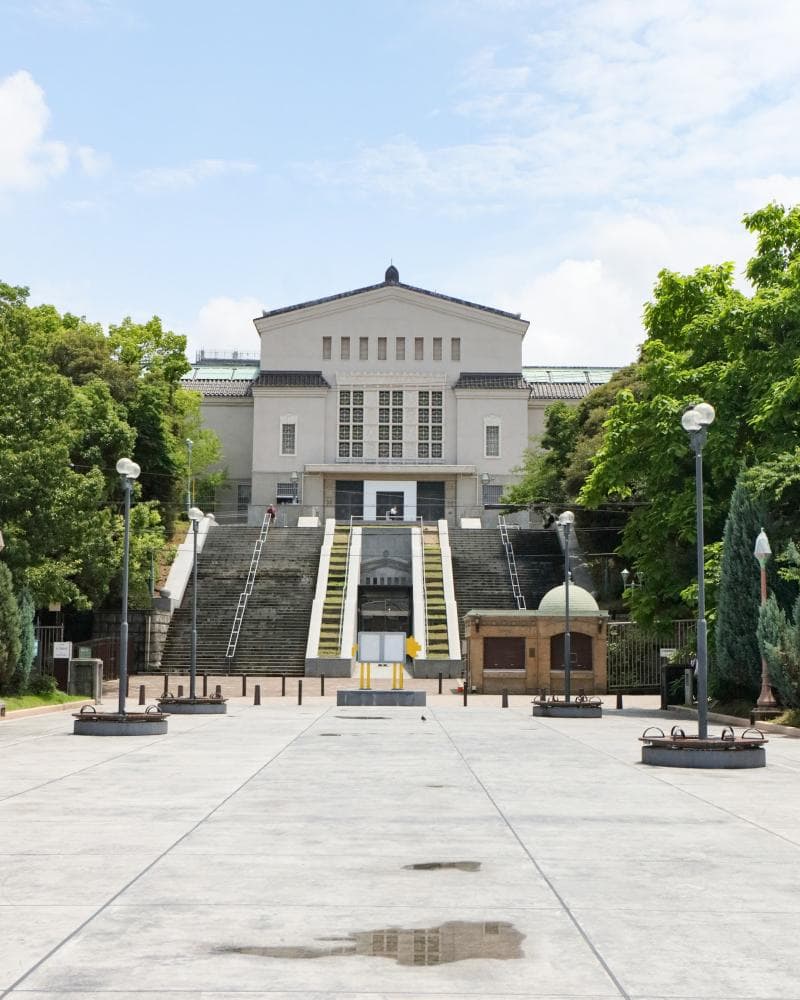
Discover the Osaka City Museum of Fine Arts in Osaka, Japan, a historic institution showcasing exquisite Japanese and East Asian art.
Overview
Nestled within the vibrant Tennoji Zoo & Park Area in Osaka, Japan, the Osaka City Museum of Fine Arts stands as a beacon of artistic heritage. Opened in 1936, it holds the distinction of being Japan's third public art museum, offering a profound journey through Japanese and East Asian artistic traditions. The museum's stately pre-war architecture, a harmonious blend of Western and Japanese design elements, is itself a Registered Tangible Cultural Property of Japan, inviting visitors into a world where art and history converge. Housing a remarkable collection of over 8,500 to 13,500 works, including numerous Important Cultural Properties, the museum is a testament to Osaka's deep appreciation for culture. Following extensive renovations, the museum reopened in March 2025, refreshed and reimagined as an 'Open Museum' designed to connect people with art and culture in new and meaningful ways.
History & Cultural Background
The origins of the Osaka City Museum of Fine Arts are deeply rooted in a philanthropic vision for public culture. In 1921, the Sumitomo family, a prominent business dynasty, generously donated their former estate, including their residence and the exquisite Keitakuen Garden, to Osaka City. This extraordinary gift laid the foundation for a public art museum, a concept that was nascent in Japan at the time. Construction, though intermittently delayed by events such as the Great Kanto Earthquake and economic downturns, culminated in the museum's grand opening in May 1936. The site itself, Chausuyama, carries historical weight, having served as strategic headquarters for legendary figures like Tokugawa Ieyasu and Sanada Yukimura during the pivotal Siege of Osaka in the early 17th century. This rich historical tapestry imbues the museum's location with a sense of enduring significance, reflecting Osaka's long and storied past. The museum was conceived to provide citizens with access to outstanding fine arts and culture, foster artistic endeavors, and promote Osaka's cultural development, a mission it continues to uphold today.
What Makes It Special
The Osaka City Museum of Fine Arts distinguishes itself through its comprehensive and diverse collection, primarily focusing on Japanese and Chinese art, encompassing paintings, sculptures, and crafts. What makes its collection particularly unique is its foundation in significant donations from various Osaka-based business leaders and families, such as the Abe, Yamaguchi, Tama, and Kazal collections. These donations have endowed the museum with an impressive array of works, including a notable strength in Buddhist art and acclaimed Chinese paintings and calligraphic works. Beyond its East Asian emphasis, the museum also surprises with collections featuring Etruscan and Coptic art, showcasing a broader international scope that is uncommon in Japanese museums. The museum's architectural grandeur, a registered tangible cultural property, with its majestic main hall featuring marble columns and crystal chandeliers, provides an awe-inspiring setting for the art it houses. Furthermore, its commitment to arts education through its Art Research Institute, offering practical research and educational programs, highlights its role beyond mere exhibition.
Stories, Fun Facts & Local Details
Imagine stepping into a place where the echoes of ancient battles and the whispers of artistic creation coexist. The ground beneath the Osaka City Museum of Fine Arts once buzzed with military strategy during the Siege of Osaka, a significant historical event. Years later, it transformed into a haven of tranquility and art, thanks to the generosity of the Sumitomo family. The museum's unique genesis, largely built upon substantial donations rather than solely through acquisitions, reflects a deep-seated tradition of community support for the arts in Osaka. The adjacent Keitakuen Garden, an exquisite Japanese garden that was part of the original Sumitomo estate, offers a serene backdrop and a perfect space for reflection after immersing oneself in the museum's collections. Visitors can now enjoy a terrace overlooking this beautiful garden, and even a cafe serving art-inspired sweets, making the experience both culturally enriching and delightfully relaxing. The museum actively engages with its community, hosting gallery talks by curators and providing practical art instruction for local students, fostering a new generation of art enthusiasts.
Visitor Perspective
For the curious traveler, the Osaka City Museum of Fine Arts offers an enriching and contemplative experience. Upon its reopening in March 2025 after a significant renovation, it aims to be more accessible and engaging than ever before. While the museum's main galleries showcase its permanent collection of Japanese and Chinese masterpieces, including numerous Important Cultural Properties, the Tennoji Gallery in the basement regularly hosts exhibitions by various art organizations. This dynamic approach ensures there's always something new to discover, from ancient scroll paintings to contemporary works. The stately architecture, a Registered Tangible Cultural Property, is a work of art in itself, providing a dignified and inspiring atmosphere. Visitors can explore areas outside the main galleries freely, allowing a glimpse into the building's restored historical details. A visit to the museum is not just about viewing art; it's an opportunity to connect with Osaka's cultural soul, reflect amidst the beauty of Keitakuen Garden, and perhaps even find a unique souvenir at the museum shop. It's a journey through time and artistic expression, offering a tranquil yet profound interlude in the bustling city of Osaka.
Coordinates: 135.510528, 34.650111
View on Google Maps💬 How Travelers Describe This Place
Based on community votes
Photogenic
934Unique
879Interesting
741Must See
482Beautiful
396
Traveler Stories
Discover memorable experiences shared by travelers who have visited this place.
No traveler stories yet.
Be the first traveler to share what made this place memorable.

Tour
By
Spot
Discover amazing places around the world. Your journey starts here.
Explore
© 2026 TourBySpot. All rights reserved.