Osaka Castle Park
Osaka, Japan
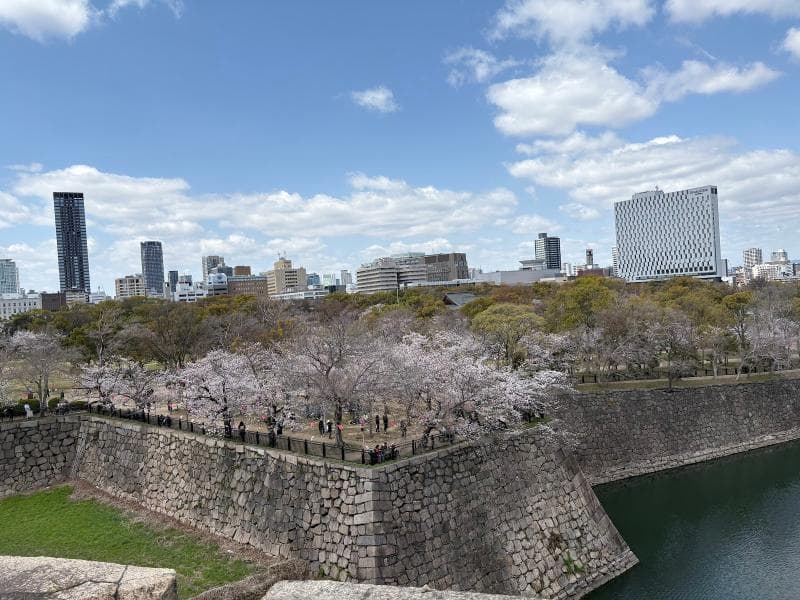
Discover Osaka Castle Park in Osaka, Japan – a historic urban oasis surrounding the iconic castle. Explore lush gardens, ancient walls, and rich feudal history.
Overview
Nestled in the heart of Osaka, Japan, Osaka Castle Park serves as a vibrant urban oasis encompassing the majestic Osaka Castle. This expansive public park, spanning approximately 105.6 hectares (261 acres), is a significant landmark, offering a unique blend of historical grandeur and natural beauty. It stands as a testament to Osaka's rich past while providing a contemporary retreat for both locals and international visitors. The park is not merely a backdrop for the castle; it is an integral part of the experience, featuring meticulously maintained gardens, impressive stone fortifications, and a variety of facilities for recreation and cultural engagement.
Visitors can explore the vast grounds, which include the renowned Nishinomaru Garden, known for its cherry blossoms, and a fragrant plum grove. Beyond its botanical charm, Osaka Castle Park integrates cultural and sports facilities, making it a dynamic hub of activity throughout the year. The park's design thoughtfully guides travelers through centuries of history, from the imposing castle keep to the serene pathways, inviting contemplation and discovery at every turn.
History & Cultural Background
The story of Osaka Castle Park is deeply intertwined with the tumultuous history of Japan's feudal era. The site's origins trace back to the 15th century when it was home to the militant Ishiyama Hongan-ji temple. In 1583, the powerful warlord Toyotomi Hideyoshi, one of Japan's great unifiers, chose this strategic location to construct Osaka Castle. His vision was to create an unprecedented fortress that would symbolize his power and serve as the political heart of a unified Japan.
However, Hideyoshi's castle faced a dramatic end during the Siege of Osaka in 1615, when Tokugawa forces destroyed it and ended the Toyotomi lineage. The castle was subsequently rebuilt by the Tokugawa Shogunate in the 1620s, with massive new stone walls. Despite further destruction by a lightning strike in 1665 and civil war in 1868, the spirit of Osaka Castle endured. The current main tower, a ferro-concrete reconstruction, was completed in 1931, remarkably surviving the city-wide air raids of World War II. The surrounding area officially opened as Osaka Castle Park in the same year. This cycle of destruction and reconstruction highlights the castle's enduring resilience and its profound cultural significance as a symbol of Osaka's strength and continuity through centuries of change.
What Makes It Special
Osaka Castle Park's allure lies in its captivating blend of historical architecture and expansive natural landscapes. The park features an impressive network of massive stone walls, deep moats, and several historical gates and turrets, many of which are designated as Important Cultural Properties. These fortifications, some constructed without mortar from interlocked granite boulders, stand as a testament to advanced feudal-era engineering.
Seasonal beauty is a hallmark of the park. In spring, the Nishinomaru Garden transforms into a breathtaking spectacle with its approximately 600 cherry trees, making it one of Osaka's premier 'hanami' (cherry blossom viewing) spots. Similarly, the plum grove, with its 1,245 plum trees of 105 varieties, offers a vibrant display of color and fragrance. Beyond spring, the park provides beautiful foliage in autumn and tranquil scenery in winter. From the observation deck at the top of the castle keep, visitors are treated to panoramic views that stretch across Osaka's modern cityscape, creating a striking contrast between past and present.
Stories, Fun Facts & Local Details
The sheer scale of Toyotomi Hideyoshi's original vision for Osaka Castle was legendary, intended to be the largest and most magnificent castle of its time. A fascinating detail within the castle grounds is the 'Octopus stone,' one of several megaliths that form part of the imposing stonework. While not formally designated a cultural property, its size adds to the mystique of the castle's construction.
Osaka Castle Park is a lively public space where everyday life intertwines with history. It is common to see local residents jogging along the outer moats, families enjoying picnics under the trees, and children playing in the dedicated areas. The park also boasts a significant musical presence, with busking groups and musicians often performing or practicing, adding a vibrant auditory layer to the historical setting. The fact that the current castle tower, reconstructed in 1931 using concrete, remarkably survived the extensive bombing raids of World War II is a powerful reminder of its resilience and a point of local pride.
Visitor Perspective
For the curious traveler, Osaka Castle Park offers an immersive journey that transcends mere sightseeing. Walking through the grand Otemon Gate, one feels transported back to the samurai era, surrounded by formidable stone walls and defensive moats. Yet, this historical backdrop seamlessly integrates with the contemporary, providing a peaceful escape from the urban bustle. The park's wide paths and open lawns invite leisurely strolls, perfect for reflection or simply enjoying the seasonal flora.
Inside the castle keep, a well-curated museum details Osaka Castle's turbulent past through artifacts, models, and interactive exhibits. An elevator provides access to the upper floors, making it accessible for many, while the observation deck offers a magnificent 360-degree vista of Osaka. Whether seeking historical insights, a tranquil communion with nature, or a lively cultural experience, Osaka Castle Park provides a multifaceted and deeply enriching encounter, embodying the resilient spirit and diverse charm of Osaka.
Coordinates: 135.5258, 34.6874
View on Google Maps💬 How Travelers Describe This Place
Based on community votes
Must See
915Unique
873Photogenic
477Interesting
422Beautiful
53
Traveler Stories
Discover memorable experiences shared by travelers who have visited this place.
No traveler stories yet.
Be the first traveler to share what made this place memorable.

Tour
By
Spot
Discover amazing places around the world. Your journey starts here.
Explore
© 2026 TourBySpot. All rights reserved.