Orangutan Island
Singapore, Singapore
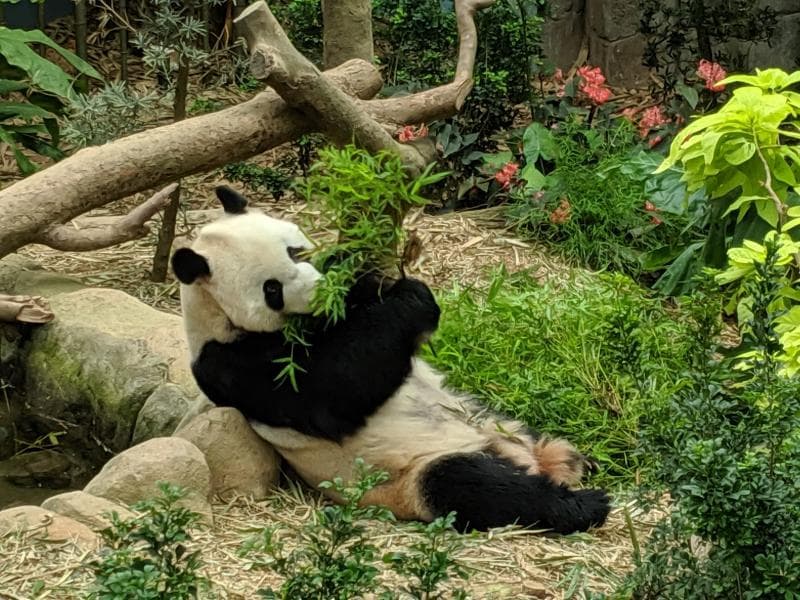
Explore Orangutan Island at Singapore Zoo, Singapore – the world's first free-ranging orangutan exhibit for an immersive wildlife encounter.
Overview
Orangutan Island in the Singapore Zoo offers a truly unique and immersive experience, transporting visitors into the naturalistic world of these magnificent 'people of the forest'. Nestled within the Singapore Zoo in Singapore, Singapore, this exhibit stands out as the world's first free-ranging orangutan habitat. Here, orangutans, including both the Bornean and Sumatran species, swing freely through the treetops, offering an unhindered glimpse into their arboreal lives. The island is designed to mimic their natural rainforest environment, allowing them to display their innate behaviors and interact within their social groups. The Singapore Zoo itself is renowned globally for its innovative 'open concept' design, minimizing visible barriers and creating a seamless connection between visitors and wildlife.
This pioneering approach at Orangutan Island allows for an intimate observation of these critically endangered primates, fostering a deeper appreciation for their intelligence and conservation needs. It's more than just an exhibit; it's a carefully crafted environment where the welfare of the orangutans is paramount, and their natural habits are encouraged. Visitors can witness their playful antics, observe their gentle interactions, and learn about the crucial conservation efforts underway to protect them.
History & Cultural Background
The Singapore Zoo, which opened its gates on June 27, 1973, quickly established itself as a leader in innovative zoo design. From its inception, the zoo embraced an 'open concept' philosophy, utilizing natural barriers like moats and lush landscaping instead of traditional cages. Orangutans have been a central attraction at the zoo since its earliest days.
A significant milestone in the zoo's history, and particularly for Orangutan Island, was the introduction of the free-ranging orangutan exhibit in 2006. This exhibit further enhanced the zoo's commitment to naturalistic habitats. Before this, the zoo had already gained international acclaim through its most famous resident, Ah Meng, a Sumatran orangutan who arrived in 1971. Ah Meng became a global icon and Singapore's tourism ambassador, gracing numerous advertisements and meeting dignitaries and celebrities worldwide. Her legendary 'Breakfast with an Orangutan' program, which began in 1982, allowed visitors to have close encounters with her, becoming a beloved part of the zoo experience. Ah Meng, originally smuggled into Singapore and kept as a pet, was rescued and brought to the zoo, where she lived a long life, passing away in 2008 at the age of 47. In 1992, she was uniquely honored with the 'Special Tourism Ambassador' award, the first non-human recipient of such an accolade.
What Makes It Special
Orangutan Island's distinction lies in its pioneering design as the world's first free-ranging orangutan exhibit. Unlike conventional enclosures, this innovative habitat allows the orangutans to move freely amongst tall trees and natural vegetation, replicating their complex rainforest homes. This design promotes natural behaviors such as brachiation (swinging from branch to branch) and nest-building, which are essential for their well-being.
The exhibit's success is a testament to the Singapore Zoo's overarching philosophy of creating immersive environments. By employing hidden moats and strategic landscaping, the barriers between humans and animals become almost invisible, offering visitors an intimate, yet safe, viewing experience. This unique setting not only captivates guests but also serves a vital conservation role by showcasing the intelligence and charisma of these critically endangered species, particularly the Bornean and Sumatran orangutans. Observing them in such a naturalistic setting provides powerful educational opportunities about their plight due to habitat loss and illegal hunting.
Stories, Fun Facts & Local Details
The name 'Orangutan' itself holds a beautiful meaning, translating to 'person of the forest' in Malay, reflecting their profound connection to the rainforests they inhabit. These highly intelligent and often playful apes, unlike monkeys, are easily distinguished by their lack of a tail. Young orangutans stay with their mothers for an extended period of 7 to 8 years, learning essential survival skills through observation and play.
The legacy of Ah Meng continues to resonate within the Singapore Zoo. Her ability to connect with people, from ordinary visitors to international dignitaries, left an indelible mark, making her a powerful ambassador for wildlife conservation. Even today, the zoo names a restaurant after her, a testament to her enduring popularity. The zoo's breeding program for orangutans has been highly successful since 1975, with more than 44 orangutan babies born, many of whom have contributed to global breeding programs. Recent births, such as Ayaan, a Sumatran orangutan born via a rare caesarean procedure, and Bornean babies Lestari and Lio, highlight the ongoing dedication to the survival of these species. Each birth is a triumph for conservation, offering hope for the future of these magnificent primates.
Visitor Perspective
Visiting Orangutan Island is an unforgettable experience, offering a chance to witness these remarkable creatures in an environment that feels remarkably close to their natural habitat. The joy of watching orangutans effortlessly navigate the treetops, their rich auburn fur gleaming, is truly captivating. For many, the 'Breakfast with Wildlife' program, where visitors can enjoy a meal with orangutans nearby, remains a highlight, providing an exceptional opportunity for close-up viewing and photography, although the direct interaction format has evolved to prioritize animal welfare.
Beyond the visual spectacle, the experience at Orangutan Island is deeply educational. Keeper talks throughout the day provide fascinating insights into orangutan behavior, their individual personalities, and the critical threats they face in the wild, such as deforestation. This emphasis on education and empathy aims to inspire visitors, especially younger generations, to become advocates for wildlife protection. The design of the exhibit, with its unobtrusive barriers, fosters a sense of being truly present in their world, creating meaningful connections that extend far beyond a typical zoo visit.
Coordinates: 103.79414, 1.403782
View on Google Maps💬 How Travelers Describe This Place
Based on community votes
Photogenic
926Must See
703Interesting
646Unique
380Beautiful
291
Traveler Stories
Discover memorable experiences shared by travelers who have visited this place.
No traveler stories yet.
Be the first traveler to share what made this place memorable.

Tour
By
Spot
Discover amazing places around the world. Your journey starts here.
Explore
© 2026 TourBySpot. All rights reserved.