Orangery
Warsaw, Poland
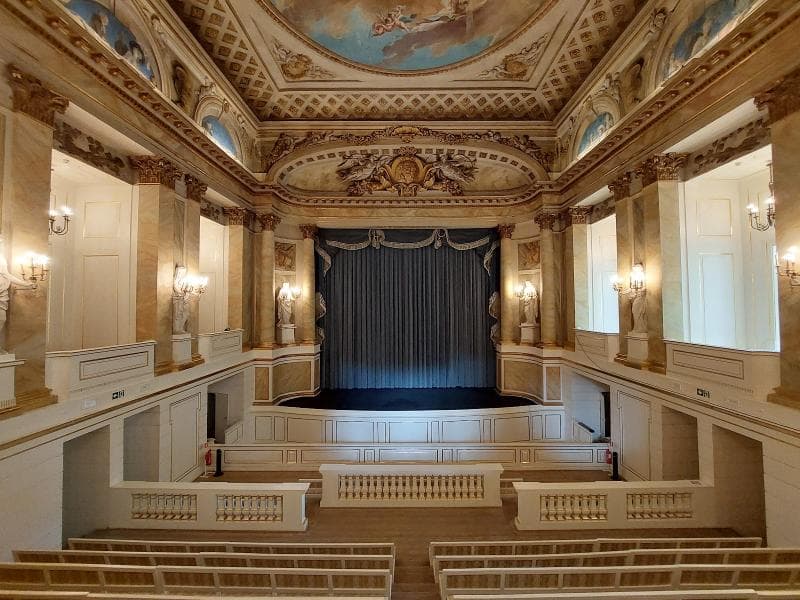
Discover the Old Orangery in Lazienki Park, Warsaw, Poland. Explore its 18th-century Royal Theatre, Sculpture Gallery, and neoclassical architecture.
Overview
Nestled within the sprawling and picturesque Łazienki Park in Warsaw, the Orangery, often referred to as the Old Orangery (Stara Oranżeria), stands as a testament to 18th-century elegance and cultural ambition. Originally conceived as a winter sanctuary for exotic citrus trees, this graceful structure has evolved into a significant cultural landmark. Today, it proudly houses one of Europe's few authentic 18th-century court theatres, the Royal Theatre, alongside an impressive Royal Sculpture Gallery. Its classical architecture, characterized by sunlit glass façades, offers visitors a captivating glimpse into a refined bygone era.
History & Cultural Background
The construction of the Old Orangery took place between 1784 and 1788, under the enlightened patronage of King Stanisław August Poniatowski, the last monarch of the Polish-Lithuanian Commonwealth. The design was masterfully executed by the Italian-Polish architect Domenico Merlini, reflecting the prevailing ideals of the Polish Enlightenment. While its primary functional purpose was to shelter delicate Mediterranean plants from the harsh Polish winters, King Stanisław August envisioned a grander role for the building. He intended it to be a vibrant center for the arts, harmoniously integrating nature, architecture, and intellectual pursuits. This innovative dual function, blending horticulture with a rich cultural legacy, made the Old Orangery a unique and distinguished example among European orangeries of its period.
What Makes It Special
The true jewel of the Old Orangery is undoubtedly its Royal Theatre. It stands as one of the most remarkably preserved 18th-century court theatres across Europe and holds the unique distinction of being the only one of its kind in Poland. The theatre's interior, predominantly crafted from wood, is renowned for its exceptional acoustics, creating an immersive experience for any performance staged within its historic walls. Beyond the theatrical marvel, the Orangery is also home to the Royal Sculpture Gallery, showcasing King Stanisław August's extensive collection. This gallery provides a rare insight into the artistic tastes and patronage of the Enlightenment era. Architecturally, the building's southern facade, adorned with arcaded windows and elegant pilasters, was meticulously designed not only to maximize sunlight for the wintering plants but also to present a stunning neoclassical aesthetic. The seamless blend of natural beauty and artistic endeavor is evident throughout this magnificent structure.
Stories, Fun Facts & Local Details
Imagine the spectacle of royal performances in the Royal Theatre, where the King himself would preside from his dedicated central box, directly opposite the stage. The theatre's two-story auditorium, designed to accommodate 200 spectators, features simple tiered benches on the ground floor and nine exquisite theatre boxes on the first. Adding to the opulent atmosphere are eight stucco female figures, designed by the royal sculptor Andre Le Brun, which adorn the spaces between the boxes, holding gilded wooden candlesticks. Although no longer present, the original stage curtain depicted Apollo and the Muses on Mount Helicon, highlighting the profound connection to classical mythology and the arts that defined the era. Even today, the Royal Theatre continues to host official galas, concerts, and conferences, upholding its historical role as a dynamic cultural venue. The surrounding Orangery Garden further enhances the historical ambiance, inviting visitors to wander through spaces once enjoyed by royalty.
Visitor Perspective
Stepping into the Old Orangery is akin to journeying back in time to the refined world of 18th-century Poland. As you explore its sunlit interiors, the elegant classical architecture and tranquil surroundings create a sense of serene beauty, providing a peaceful contrast to the bustling city outside. The Royal Theatre, remarkably preserved, feels alive with the echoes of past performances and royal gatherings. Wandering through the Sculpture Gallery allows for an intimate appreciation of the art collected by a monarch with a deep love for culture and learning. It's a place where history isn't merely recounted, but genuinely experienced, making it an essential destination for anyone keen to delve into Poland's royal heritage and artistic legacy. The Orangery stands as a enduring symbol of elegance and cultural devotion, offering a quiet yet powerful highlight within the grandeur of Lazienki Park.
Coordinates: 21.02984, 52.21636
View on Google Maps💬 How Travelers Describe This Place
Based on community votes
Must See
623Unique
545Beautiful
343Photogenic
211Interesting
20
Traveler Stories
Discover memorable experiences shared by travelers who have visited this place.
No traveler stories yet.
Be the first traveler to share what made this place memorable.

Tour
By
Spot
Discover amazing places around the world. Your journey starts here.
Explore
© 2026 TourBySpot. All rights reserved.