Open-Air Opera Performances
Hong Kong, China
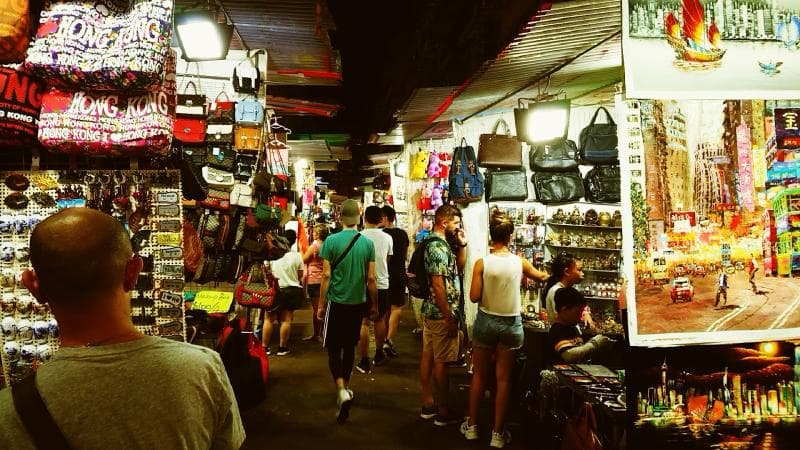
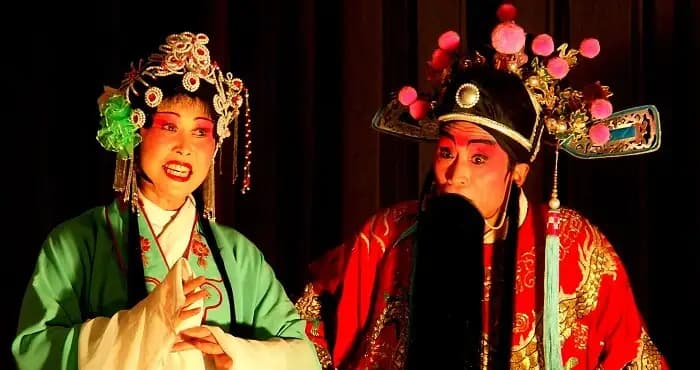
Discover open-air Cantonese opera performances at Temple Street Night Market in Hong Kong, China. Experience this unique traditional art form and rich cultural heritage.
Overview
Deep within the vibrant tapestry of Hong Kong's Temple Street Night Market lies a unique cultural gem: the open-air Cantonese opera performances. As dusk settles and the market awakens with a symphony of sights, sounds, and aromas, visitors can discover enthusiastic amateur and sometimes professional singers performing this traditional art form. These impromptu stages, often set up near the historic Tin Hau Temple at the market's northern end, offer a raw and authentic glimpse into Hong Kong's rich cultural heritage. Far from a formal theatrical setting, these performances are a spontaneous celebration of Cantonese opera, drawing locals and curious travelers alike to gather, listen, and immerse themselves in a living tradition that thrives amidst the bustling street life.
The opera singing area is distinct yet integrated into the market's flow, often found just outside the Tin Hau Temple, around the corner from the fortune tellers. It's a place where the ancient melodies of Cantonese opera mingle with the modern sounds of the city, creating an unforgettable atmosphere. These performances are not merely entertainment; they are a direct connection to the soul of Hong Kong, reflecting centuries of storytelling, musical evolution, and community spirit. They embody the essence of traditional Hong Kong street life, a living museum where cultural practices are preserved in a rapidly modernizing urban environment.
History & Cultural Background
Cantonese opera, a prominent form of Chinese opera originating in the Guangdong province, boasts a long and intricate history that intertwines with the cultural evolution of Hong Kong. Its roots can be traced back to the Qing dynasty, when a ban on Cantonese opera in mainland China led many actors to seek refuge and spread the art form in Hong Kong. By the 1930s, Hong Kong had become a significant hub for Cantonese opera, with numerous performers migrating to the city and a vibrant theatrical scene emerging. While formal opera houses played a crucial role, the spirit of street performance has always been integral to its accessibility and popular appeal.
Temple Street Night Market itself has a storied past, transforming from a humble gathering place for fishermen in the late 19th century into the bustling cultural icon it is today. Since the 1920s, and perhaps even earlier, the market has been a fixture in the Jordan/Yau Ma Tei district, evolving into a vibrant center for outdoor entertainment and cultural expression by the mid-20th century. It was during this period, particularly from the 1970s and 1980s, that Temple Street gained a reputation for nurturing aspiring opera singers, with some even achieving professional careers after starting their journey here. The market's connection to the Tin Hau Temple, dedicated to the sea goddess and established in 1865, further cements its spiritual and cultural foundations, providing a historical anchor for these traditional performances.
What Makes It Special
What truly sets the open-air opera performances at Temple Street Night Market apart is their unscripted, organic nature. Unlike formal theatrical productions, these are spontaneous gatherings, a testament to the enduring passion for Cantonese opera among both performers and the community. The performers, often amateurs, dedicate their evenings to honing their craft and sharing their love for this art form, not primarily for monetary gain, but to foster and develop their hobby. This lends an authentic, unpolished charm that is rarely found in commercial venues.
The setting itself is profoundly unique. Amidst the red lanterns, sizzling street food stalls, and the calls of vendors and fortune tellers, the melancholic yet powerful strains of traditional instruments like the `erhu' and the distinctive vocalizations of Cantonese opera create a captivating contrast. This blend of sensory experiences transforms a simple market stroll into a multifaceted cultural immersion. It's a living, breathing cultural tableau where the past and present of Hong Kong converge in a delightful, sometimes chaotic, symphony. The accessibility of these performances, with audiences casually sitting on plastic stools or standing in loose semicircles, eliminates the formality typically associated with opera, making it approachable for everyone.
Stories, Fun Facts & Local Details
One fascinating aspect of the Temple Street opera performances is their role as an informal 'launching pad' for talent. Historically, this bustling market nurtured many opera singers in the 1970s and 1980s, with some even transitioning from these open-air stages to professional careers. This speaks to the community's deep appreciation for the art and its ability to identify and support emerging artists.
While the performances are generally informal, they demonstrate a dedication to cultural preservation. The musical style of Cantonese opera is unique, with its own distinct system, making these street-side renditions a valuable opportunity to experience its intricacies firsthand. Locals often refer to Temple Street as 'Men's Street,' a nickname reflecting its historical leaning towards stalls selling menswear, though today it offers a much wider variety of goods. This moniker also subtly hints at the market's traditional appeal as a place for male recreation, including socialising and enjoying performances. The market's vibrant energy is considered a 'living cultural celebration,' where families, friends, and strangers unite over food, entertainment, and the distinct Hong Kong street culture.
Visitor Perspective
For a curious traveler, encountering the open-air opera at Temple Street Night Market is often an unexpected delight. The sounds of Cantonese opera might initially catch your ear as you navigate the market's lively labyrinth. Finding the performance area, typically near the Tin Hau Temple, provides a moment of cultural revelation, a chance to slow down and absorb an authentic Hong Kong experience. It's advisable to arrive between 8:30 PM and 11:00 PM on most nights, keeping in mind that performances are less likely on Wednesdays due to horse racing. Weekday evenings, especially Tuesday through Thursday, are often recommended for the best chance to witness these informal shows, as weekend crowds can sometimes make hearing difficult.
Visitors should be prepared for an immersive, sensory-rich environment where the boundaries between performers and audience are fluid. There are no tickets or assigned seating; instead, you might find yourself perched on a plastic stool or standing shoulder-to-shoulder with locals, all captivated by the unfolding drama. While some performers may accept donations, their primary motivation is often the love of the art. Engaging with these performances offers a deeper understanding of Hong Kong's cultural identity and its commitment to preserving traditional arts in a modern urban landscape. It's a genuine connection to the city's soul, far removed from typical tourist attractions.
Coordinates: 114.1699, 22.3059
View on Google Maps💬 How Travelers Describe This Place
Based on community votes
Unique
685Photogenic
472Beautiful
446Interesting
399Must See
33
Traveler Stories
Discover memorable experiences shared by travelers who have visited this place.
No traveler stories yet.
Be the first traveler to share what made this place memorable.

Tour
By
Spot
Discover amazing places around the world. Your journey starts here.
Explore
© 2026 TourBySpot. All rights reserved.