Olympic Exhibits
Innsbruck, Austria
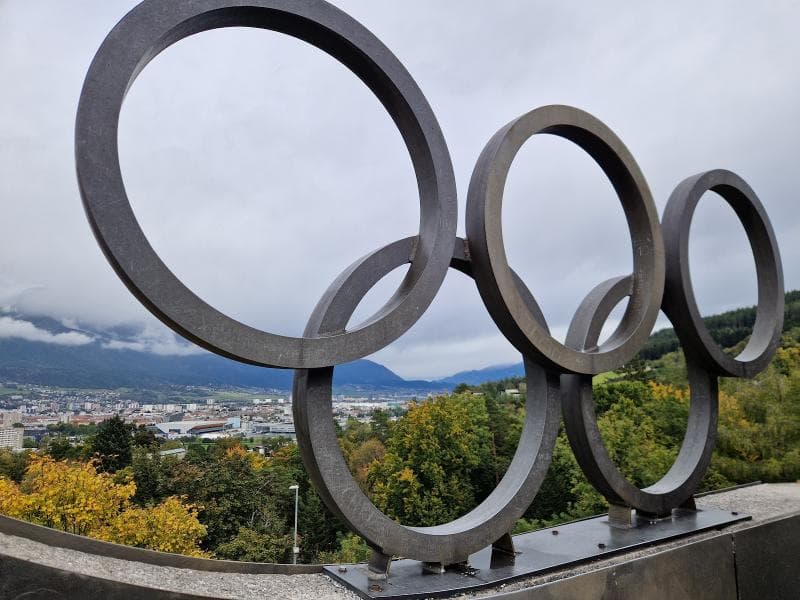
Explore the Olympic Exhibits at Bergisel Ski Jump in Innsbruck, Austria. Discover its rich Olympic history, stunning Zaha Hadid architecture, and panoramic views.
Overview
Perched majestically above Innsbruck, Austria, the Bergisel Ski Jump is more than just a world-renowned sports arena; it is a profound historical landmark, especially for those interested in Olympic heritage. While not a conventional museum with named 'Olympic Exhibits' halls, the entire site serves as a living exhibition, showcasing Innsbruck's rich Olympic past through its very structure, dedicated information panels, and evocative remnants of past Games. Visitors can immerse themselves in the legacy of winter sports and experience the thrill of a venue that has hosted the Winter Olympics twice.
Designed by the celebrated architect Zaha Hadid, the modern structure seamlessly blends functional sports architecture with a striking artistic statement, offering breathtaking panoramic views of the city and the surrounding Tyrolean Alps.
History & Cultural Background
The Bergisel hill itself holds deep historical significance, dating back centuries, notably as the site of battles for Tyrolean independence in the early 19th century. Its sporting legacy began much later, with the first ski jumping competitions held in the 1920s. However, Bergisel truly rose to international prominence when Innsbruck was chosen to host the Winter Olympic Games. The ski jump underwent significant adaptation and enlargement for the 1964 Winter Olympics, ensuring it met the stringent requirements of such a grand event. Just twelve years later, Innsbruck stepped in to host the Winter Olympics again in 1976, further solidifying Bergisel's place in Olympic lore, with the venue once more modernized for the occasion. The site also played a significant role in the inaugural Winter Youth Olympic Games in 2012, even hosting the Opening Ceremony.
What Makes It Special
What makes the Bergisel Ski Jump special as an 'Olympic Exhibit' is its tangible connection to monumental sporting moments. Guests can witness the physical legacy of the Olympic Games, including the Olympic rings and the iconic bowl for the Olympic flame, remnants of the 1964 and 1976 Games. Scattered throughout the stadium area, thirteen information panels detail the history of the venue and the evolution of ski jumping, effectively narrating its journey through the Olympics and other major competitions. A memorial featuring bronze plaques above the spectator stands commemorates the medalists of the 1976 Winter Olympics, offering a direct link to the athletes who made history here.
Beyond its Olympic past, the current ski jump, a masterpiece completed in 2003, is an architectural marvel by Zaha Hadid. Its unique design, which integrates a vertical concrete tower with a steel space-frame bridge, offers visitors a unique blend of art, sport, and engineering.
Stories, Fun Facts & Local Details
Imagine the roar of 60,000 spectators as the Olympic flame was lit during the opening ceremony in 1964, or the palpable tension as ski jumpers launched themselves down the incline. The Bergisel Ski Jump has seen countless stories unfold, not least during the annual Four Hills Tournament, a prestigious event that has been a part of its calendar since 1953. Standing at the top, or even looking up from the base, gives a visceral understanding of the immense courage and skill required by the athletes. The tower itself rises nearly 50 meters, and from the top, one gains a ski jumper's perspective, a truly exhilarating experience.
It's a place where legends were made, and where the echoes of past triumphs still resonate. The site has also hosted diverse events, from the Nordic World Ski Championships to a mass celebrated by Pope John Paul II in 1988, demonstrating its versatility and cultural significance beyond sport.
Visitor Perspective
Visiting the Bergisel Ski Jump is an engaging journey through history and breathtaking views. A funicular swiftly transports guests up the hill, followed by a lift to the panoramic cafe and viewing terrace located high in the tower. From this vantage point, you can take in a 360-degree vista of Innsbruck, the Inn Valley, and the majestic Nordkette mountain range. The experience allows a curious traveler to not only appreciate the architectural grandeur and the sporting legacy but also to feel a personal connection to the Olympic spirit that has imbued this site for decades. It's an accessible way to touch a piece of Olympic history while enjoying some of the most spectacular scenery Austria has to offer.
Coordinates: 11.39928, 47.24823
View on Google Maps💬 How Travelers Describe This Place
Based on community votes
Photogenic
894Beautiful
748Interesting
304Must See
73Unique
35
Traveler Stories
Discover memorable experiences shared by travelers who have visited this place.
No traveler stories yet.
Be the first traveler to share what made this place memorable.

Tour
By
Spot
Discover amazing places around the world. Your journey starts here.
Explore
© 2026 TourBySpot. All rights reserved.