Old-town Streets
Podgorica, Montenegro
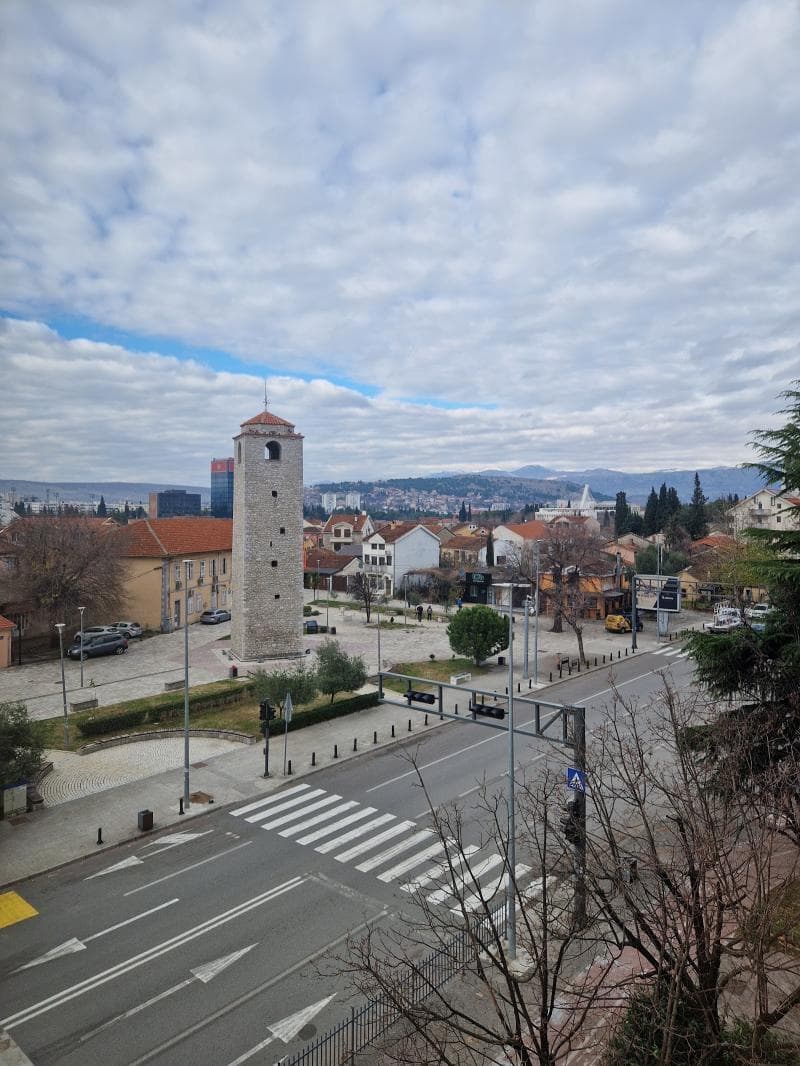
Explore the historic Old-town Streets (Stara Varoš) and the iconic Clock Tower in Podgorica, Montenegro. Discover Ottoman heritage, narrow alleys, and rich culture.
Overview
Stepping into the Old-town Streets, known locally as Stara Varoš, in Podgorica, Montenegro, is like opening a living history book. This venerable quarter, nestled near the banks of the Ribnica River, is a poignant remnant of the city's rich Ottoman past. Dominating its skyline and serving as an enduring symbol is the Sahat Kula, or Clock Tower. The narrow, stone-paved alleys and traditional architecture transport visitors away from the modern urban landscape of Montenegro's capital, offering a rare glimpse into centuries gone by. It is a place where time seems to slow, inviting curious travelers to uncover the stories etched into every cobblestone and façade.
History & Cultural Background
The Old-town Streets of Stara Varoš owe their unique character to nearly four centuries of Ottoman rule, from the 15th to the 19th century. During this era, Podgorica flourished as an important administrative and commercial center, with Stara Varoš serving as its vibrant core. The urban structure developed organically, without strict planning, resulting in the charmingly irregular streets and squares seen today. The Turks constructed fortresses, mosques, baths, and market rows, leaving an indelible mark on the city's architecture and way of life. The iconic Clock Tower, Sahat Kula, was built in 1667 by Hadži-paša Osmanagić, a prominent citizen, and stands as one of the few Ottoman landmarks to miraculously survive the heavy bombings of World War II. After Podgorica's liberation from Ottoman rule in 1878, a metal cross was even added atop the tower in 1890, symbolizing the shift in governance. Despite significant destruction during the war and subsequent socialist-era demolitions, the quarter has retained much of its Eastern character and fundamental layout.
What Makes It Special
What sets the Old-town Streets of Stara Varoš apart is its authentic atmosphere and its powerful contrast with modern Podgorica. It is the only place in the capital where one can truly experience the ambiance of the Ottoman era, characterized by narrow, stone-paved alleys, low houses, and traditional balconies. The Clock Tower, a sentinel of time and history, symbolically marks the boundary between the old and new parts of the city. Unlike more famous Montenegrin old towns that can be bustling with tourists, Stara Varoš often offers a quieter, more intimate experience, allowing for deeper immersion in its historical tapestry. The preservation of landmarks like the Osmanagić Mosque, the Starodoganjska Mosque, and the Adži-paša Bridge over the Ribnica River further contribute to its unique historical integrity, providing tangible links to its layered past.
Stories, Fun Facts & Local Details
The Sahat Kula holds more than just time within its ancient stone walls; it carries the whispers of generations past. Legend suggests that the clock mechanism itself was imported from Italy, adding a touch of international flair to its Ottoman origins. For many years, this 16-meter (or 19-meter, depending on source) tower served as the city's sole public timepiece, dictating the rhythm of daily life and trade for its inhabitants. The old houses in Stara Varoš, with their high stone walls, often conceal interior courtyards, reflecting a traditional way of life that prioritized privacy and communal spaces centuries ago. Visitors can still find small, authentic cafes where sipping traditional Turkish coffee becomes a ritual, connecting them to the customs of yesteryear. The area also houses one of the last examples of Ottoman residential architecture, the Ređepagić House, which now serves as a cultural center. Exploring these streets offers a genuine glimpse into the enduring Muslim traditions and diverse heritage that have shaped Podgorica.
Visitor Perspective
A stroll through the Old-town Streets of Stara Varoš is an invitation to slow down and connect with Podgorica's soul. As you wander the narrow, winding, cobblestone paths, the noise of the modern city fades, replaced by a palpable sense of history. It's a journey through a district where every ancient stone tells a story. The view of the Sahat Kula piercing the sky, surrounded by centuries-old buildings, creates a picturesque setting ideal for contemplation and photography. Visitors are encouraged to wear comfortable shoes due to the uneven terrain. Taking the time to explore hidden courtyards, visit the active mosques, and perhaps enjoy a coffee in one of the traditional cafes provides a deeply enriching experience. This area is not just a collection of historical structures; it's a vibrant, living museum where the past and present gracefully coexist, offering a truly authentic Montenegrin experience.
Coordinates: 19.260014, 42.435557
View on Google Maps💬 How Travelers Describe This Place
Based on community votes
Beautiful
799Interesting
424Photogenic
234Must See
181Unique
30
Traveler Stories
Discover memorable experiences shared by travelers who have visited this place.
No traveler stories yet.
Be the first traveler to share what made this place memorable.

Tour
By
Spot
Discover amazing places around the world. Your journey starts here.
Explore
© 2026 TourBySpot. All rights reserved.