Old Mosques
Baku, Azerbaijan
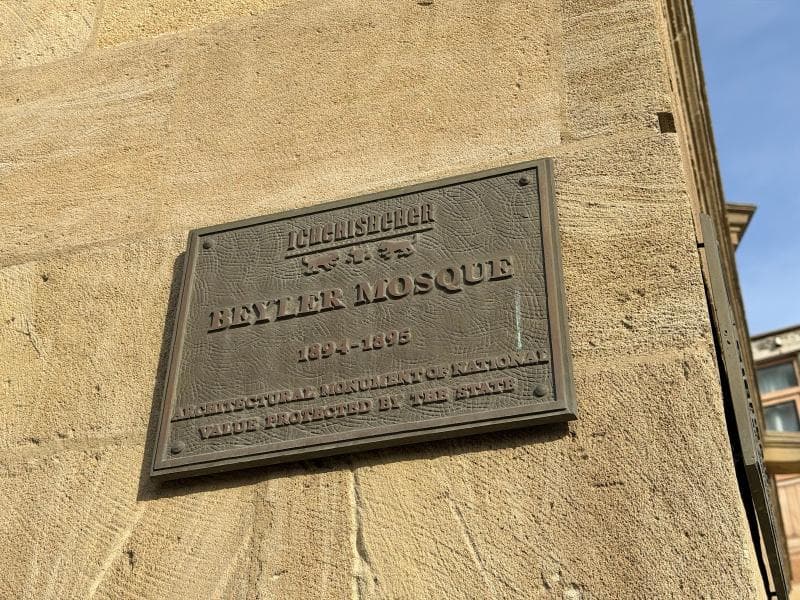
Explore the ancient Old Mosques within Icherisheher, Baku, Azerbaijan. Discover centuries of history, unique architecture, and cultural stories.
Overview
Icherisheher, often referred to as Baku's Old City, is a mesmerizing historical core within Azerbaijan's vibrant capital. Nestled behind ancient walls, this UNESCO World Heritage Site is a living museum, and its 'Old Mosques' represent a profound spiritual and architectural legacy. These sacred structures, dating back many centuries, are not merely places of worship but serve as chronicles in stone, echoing the layered history of Zoroastrian, Sasanian, Arabic, Persian, Shirvani, Ottoman, and Russian influences that have shaped Baku. Walking through the narrow, winding cobblestone streets of Icherisheher, visitors encounter a collection of mosques, each with its own unique story, contributing to the rich tapestry of the Inner City's character.
History & Cultural Background
The history of Icherisheher's mosques is deeply intertwined with the rise of Islam in the Caucasus region and the pre-Islamic traditions of Azerbaijan, particularly Zoroastrianism. Many of these mosques stand on the very sites of ancient fire temples, testifying to the religious evolution of the area. The Juma Mosque, for instance, has roots stretching back to the 12th century, built upon a site believed to have once been a Zoroastrian place of worship. Over centuries, these structures underwent numerous reconstructions and adaptations, reflecting changing architectural styles and the needs of the community. The Muhammad Mosque, also known as Siniggala Mosque, holds particular significance as one of the earliest dated Islamic monuments in Icherisheher, constructed in the 11th century. Its minaret, an enduring symbol, dates to 1078-1079 AD. Similarly, the Gileyli Mosque, with its initial construction phases in the 14th century, reveals how these religious sites evolved over time, often incorporating elements from different periods.
What Makes It Special
The old mosques of Icherisheher are special for their enduring historical presence and their distinct architectural features. The Muhammad Mosque stands out with its ancient minaret, which earned it the nickname 'Siniggala' or 'Broken Tower' after being damaged by a Russian cannonball in the 18th century. This damage was deliberately left unrepaired, becoming a powerful symbol of Baku's resilience and defiance. The Juma Mosque, while extensively rebuilt in 1899, maintains a spiritual connection to its 12th-century origins and features a conical dome supported by four central pillars, showcasing a blend of traditional design and later influences. The Gileyli Mosque is notable for its two domes and ornate lattice windows, and its name is linked to the silk merchants from Gilan who once resided in its neighborhood, highlighting the close relationship between the city's commerce and its religious life. Even the ruins of the 9th-10th century Baba Kuhi Bakuvi Mosque near the Maiden Tower offer a glimpse into Baku's earliest Islamic period, providing tangible links to its profound past.
Stories, Fun Facts & Local Details
Beyond their structural grandeur, these mosques are imbued with stories and local details that bring their history to life. The Muhammad Mosque's minaret, for example, is often recounted with pride. Legend has it that after being struck by a Russian shell in 1723, a strong wind suddenly rose, driving the Russian fleet away, reinforcing the local belief in divine protection and solidifying the minaret's status as a symbol of courage. The Juma Mosque, initially a pagan sacred center, transformed into a mosque in the 14th century, showcasing the cultural transitions of the region. Inscriptions on its 15th-century minaret even bear decrees from medieval rulers, offering unique historical insights. The very name 'Gileyli Mosque' connects directly to the historical demographics and economy of Icherisheher, evoking images of bustling trade routes and the vibrant communities that supported these sacred spaces. The Shirvanshahs' Palace complex also houses a palace mosque, illustrating the integration of religious practice within royal life and governance.
Visitor Perspective
For a curious traveler, visiting the Old Mosques of Icherisheher is an immersive journey into Baku's soul. As you wander through the labyrinthine streets, you'll discover architectural marvels that speak volumes about human faith, artistry, and endurance. These mosques offer serene escapes from the city's modern pulse, inviting reflection and a deeper understanding of Azerbaijani culture. They are not merely static monuments but active threads in the city's living heritage. While some, like the Juma Mosque, are still vibrant centers of worship, particularly during Friday prayers, others whisper tales of forgotten eras through their ancient stones. Observing the intricate stonework, the elegant domes, and the historical inscriptions, one gains an appreciation for the meticulous craftsmanship of bygone eras. Modest dress is recommended when entering these sacred sites, encouraging respect for local customs and traditions. A visit here is an opportunity to connect with centuries of devotion, community, and the timeless spirit of Icherisheher.
Coordinates: 49.8372, 40.3661
View on Google Maps💬 How Travelers Describe This Place
Based on community votes
Photogenic
826Unique
758Interesting
755Must See
224Beautiful
190
Traveler Stories
Discover memorable experiences shared by travelers who have visited this place.
No traveler stories yet.
Be the first traveler to share what made this place memorable.

Tour
By
Spot
Discover amazing places around the world. Your journey starts here.
Explore
© 2026 TourBySpot. All rights reserved.