Old Masters Collection
Basel, Switzerland
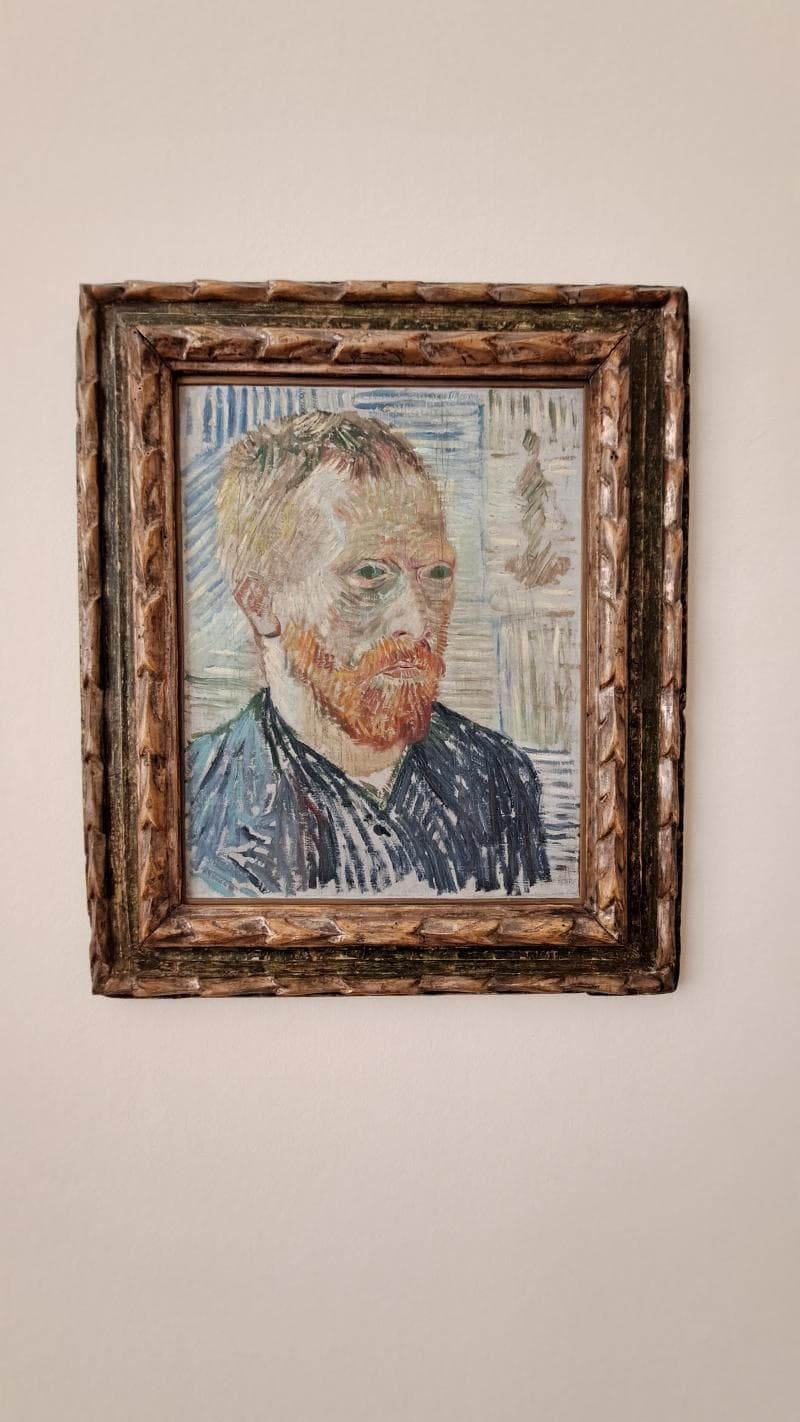
Explore the Old Masters Collection at Kunstmuseum Basel in Switzerland, featuring Renaissance and Baroque masterpieces by Holbein, Witz, and Rembrandt.
Overview
Nestled in the heart of Basel, Switzerland, the Kunstmuseum Basel stands as a cornerstone of European art history, proudly housing the world's oldest publicly accessible art collection. Within its historic Hauptbau, or main building, visitors discover the magnificent Old Masters Collection. This esteemed collection takes art enthusiasts on a journey spanning from the early 15th century through the 18th century, showcasing an impressive array of paintings and drawings that laid the foundation for Western art. It is a treasure trove of works from the Upper Rhine region, alongside significant pieces from Flemish, Dutch, German, and French masters, offering a profound insight into centuries of artistic evolution and cultural heritage.
History & Cultural Background
The genesis of the Kunstmuseum Basel's Old Masters Collection dates back to 1661 with the acquisition of the Amerbach Cabinet by the city and the University of Basel. This pivotal moment marked the establishment of the world's first municipally owned and publicly accessible art collection. The Amerbach Cabinet was initially a private collection reflecting the humanist interests of its owners, particularly stemming from the close friendship between Bonifacius Amerbach and his contemporaries, the renowned painter Hans Holbein the Younger and the humanist Erasmus of Rotterdam, both of whom resided in Basel during the early 16th century. Over the centuries, the collection steadily expanded through strategic acquisitions, generous donations, and enduring philanthropic engagement, a tradition deeply embedded in Basel's cultural fabric. This continuous growth, largely unhindered by major geopolitical disruptions, allowed the collection to achieve a rare degree of historical continuity and richness, ultimately necessitating its relocation to the purpose-built Hauptbau in 1936.
What Makes It Special
The Old Masters Collection at Kunstmuseum Basel is particularly distinguished by its unparalleled holdings of works by Hans Holbein the Younger, especially those created during his influential Basel period. Among these are iconic masterpieces such as 'The Dead Christ in the Tomb', the artist's family portrait, and the 'Passion Altarpiece', providing a comprehensive view of his genius. Equally significant is the single largest ensemble of paintings by Konrad Witz, an innovator of Late Gothic art active in Basel, including panels from his seminal 'Heilsspiegel Altarpiece'. Beyond these, the collection features important pieces by other Northern Renaissance and Baroque masters such as Lucas Cranach the Elder, Hans Baldung Grien, Matthias Grünewald, Peter Paul Rubens, and Rembrandt. The strong representation of Flemish and Dutch schools, including early autonomous landscape depictions and German and Dutch still life paintings from the 17th and 18th centuries, further underscores the collection's unique breadth and depth.
Stories, Fun Facts & Local Details
The very foundation of this esteemed collection, the Amerbach Cabinet, tells a story of intellectual and artistic camaraderie. It was the personal collection of the Amerbach family, cultivated through generations, and notably enriched by Bonifacius Amerbach's close ties with Hans Holbein the Younger and Erasmus of Rotterdam. This familial and scholarly dedication to art meant that Basel, a city-republic largely spared from devastating geopolitical upheavals, fostered an environment where such a collection could not only survive but thrive. The city's enduring tradition of philanthropy and its deep affinity for culture and research ensured that the public art collection benefited immensely from private benefactors over centuries, cementing its status as a cultural jewel. Visiting the Old Masters Collection offers a unique opportunity to connect directly with the artistic legacy that shaped one of Europe's most significant cultural centers.
Visitor Perspective
Exploring the Old Masters Collection within the Kunstmuseum Basel's Hauptbau is a contemplative and enriching experience. The main building's galleries are designed to allow each artwork to command attention, creating an elegant and focused atmosphere for viewing these historic masterpieces. Visitors can anticipate encountering profound works of art from the medieval period through the Renaissance and into the 18th century, thoughtfully arranged to guide them through different artistic periods. To ensure the preservation of these invaluable works, visitors are kindly asked to maintain a distance of at least 50 cm from the art and refrain from touching them. Photography without flash, tripods, or selfie sticks is generally permitted for private use, allowing you to capture memories of your visit. For convenience, the museum provides cloakroom and locker facilities for larger bags, as only small bags (up to DIN A4 size) are allowed into the exhibition rooms. It is an immersive journey into the foundational artistry of Western civilization, inviting reflection and appreciation for the mastery of centuries past.
Coordinates: 7.59511, 47.55448
View on Google Maps💬 How Travelers Describe This Place
Based on community votes
Must See
623Unique
545Beautiful
343Photogenic
211Interesting
20
Traveler Stories
Discover memorable experiences shared by travelers who have visited this place.
No traveler stories yet.
Be the first traveler to share what made this place memorable.

Tour
By
Spot
Discover amazing places around the world. Your journey starts here.
Explore
© 2026 TourBySpot. All rights reserved.