Observation Terraces
Dubrovnik, Croatia
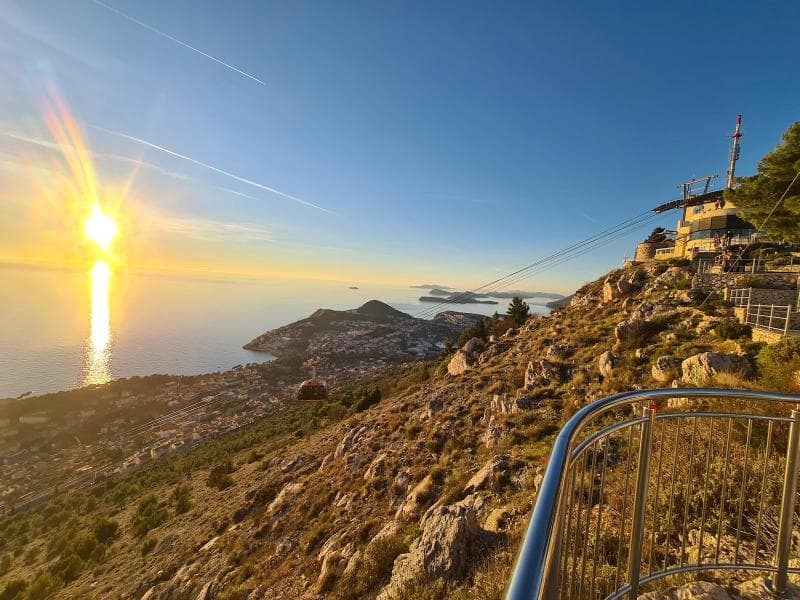
Discover the historic Observation Terraces on Mount Srđ in Dubrovnik, Croatia. Enjoy breathtaking panoramic views and explore the Imperial Fortress.
Overview
Perched majestically above the historic city of Dubrovnik, Croatia, the Observation Terraces on Mount Srđ offer an unparalleled vista of the Adriatic Sea and its famed 'Pearl.' Rising to an elevation of 412 meters (1,352 feet), Mount Srđ provides a breathtaking panoramic spectacle that encompasses the ancient walled city, the shimmering expanse of the sea, the serene Lokrum Island, and the distant Elaphiti Islands. On exceptionally clear days, your gaze can even extend to the neighboring countries of Bosnia and Montenegro. This natural viewpoint is more than just a place for scenic photos; it is a gateway to understanding Dubrovnik's unique geography and enduring spirit.
Visitors can reach this elevated sanctuary via a scenic cable car ride, a winding drive, or a invigorating hike along marked trails. Upon arrival, you'll find not only the main viewing platforms but also the significant Imperial Fortress, which now houses the Museum of the Croatian War of Independence, a restaurant, and a souvenir shop.
History & Cultural Background
Mount Srđ's strategic importance dates back centuries. The mountain itself was named after Saint Sergius, one of Dubrovnik's patron saints until 972 AD. Historically, the area was once covered with oak trees, locally called 'dubrava,' which is believed to be the origin of Dubrovnik's name.
At its summit stands the Imperial Fortress, a formidable structure originally built by the French during Napoleon's occupation between 1806 and 1812. This fortress was designed as a strong defensive outpost, controlling the high ground and overseeing the wider Dubrovnik area. It later saw reinforcement under Austro-Hungarian rule.
However, Mount Srđ's most poignant historical chapter unfolded during the Croatian War of Independence (1991-1995), particularly during the Siege of Dubrovnik. The Imperial Fortress became a crucial frontline command post for Croatian defenders. A small, outmanned group of soldiers valiantly held the fort against intense Serbian and Montenegrin attacks, preventing the city from being taken from this strategic high ground. The cable car, originally built in 1969, was destroyed during this conflict but was later rebuilt and reopened in 2010, symbolizing the city's resilience. The white stone cross, also destroyed during the war, has been rebuilt, serving as another powerful memorial.
What Makes It Special
The Observation Terraces on Mount Srđ offer more than just a view; they provide a profound sense of perspective on Dubrovnik's enduring legacy. From this vantage point, the intricate layout of the Old Town's terracotta rooftops, the completeness of its medieval walls, and its unique relationship with the Adriatic Sea become strikingly clear. It allows visitors to appreciate the city's architectural marvels and its natural setting as a harmonious whole.
Beyond the postcard-perfect scenery, the site holds deep historical significance. The presence of the Imperial Fortress and the Museum of the Croatian War of Independence allows for a somber reflection on the city's recent past. This blend of breathtaking natural beauty and a powerful historical narrative creates a uniquely moving experience. The clear, expansive views stretching miles in every direction, coupled with the emotional weight of its history, truly set Mount Srđ apart.
Stories, Fun Facts & Local Details
- The Origin of a Name: Did you know that the name 'Dubrovnik' is believed to derive from 'dubrava,' the old Slavic word for the oak forests that once densely covered Mount Srđ? This linguistic connection roots the city deeply in its natural landscape.
- A Symbol of Resilience: During the 1991 Siege, a small group of Croatian defenders, sometimes as few as 25-30 soldiers, remarkably held the Imperial Fortress on Mount Srđ. Their steadfastness was pivotal in defending Dubrovnik, and locals even brought them supplies by foot, often under the cover of night.
- The White Cross: A prominent white stone cross stands near the fortress. This cross, destroyed during the Homeland War, was rebuilt, symbolizing peace and remembrance for the sacrifices made in defending the city.
- Cable Car's Rebirth: The cable car, a popular attraction since 1969, was severely damaged during the war. Its reconstruction and reopening in 2010 were a significant moment for Dubrovnik, marking its full recovery and renewed accessibility to this iconic viewpoint.
Visitor Perspective
Visiting the Observation Terraces on Mount Srđ is often described as an essential Dubrovnik experience. The journey itself can be part of the adventure. The cable car ride, a quick four-minute ascent, offers evolving views as you glide above the city's red rooftops and out towards the sparkling Adriatic. Alternatively, for those seeking a more active experience, hiking up the winding trails provides numerous opportunities to pause and soak in the vistas from different angles, though good footwear and water are recommended due to the rocky terrain and sun exposure.
Many travelers recommend timing your visit to coincide with sunset. As the sun dips below the horizon, the sky explodes in vibrant hues, casting a magical glow over the ancient city and the sea—a truly unforgettable spectacle. While the main observation deck can get crowded, especially during peak season, there are often quieter spots to be found by walking a little further around the summit. Besides the views, the top provides amenities like the Panorama Restaurant, where you can enjoy a meal with an incredible backdrop, as well as souvenir shops to commemorate your visit.
Coordinates: 18.10973, 42.65056
View on Google Maps💬 How Travelers Describe This Place
Based on community votes
Photogenic
981Interesting
795Unique
753Beautiful
172Must See
79
Traveler Stories
Discover memorable experiences shared by travelers who have visited this place.
No traveler stories yet.
Be the first traveler to share what made this place memorable.

Tour
By
Spot
Discover amazing places around the world. Your journey starts here.
Explore
© 2026 TourBySpot. All rights reserved.