Observation Deck
Oslo, Norway
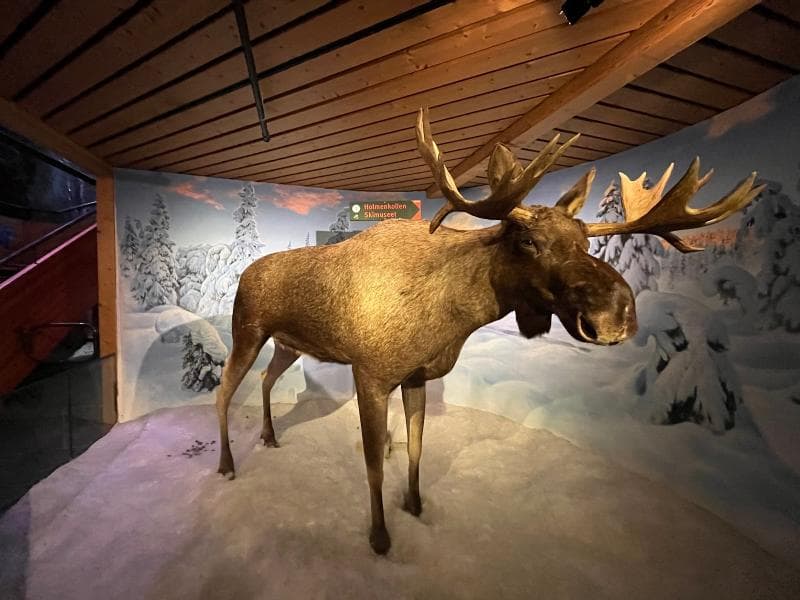
Discover the Holmenkollen Ski Museum & Tower Observation Deck in Oslo, Norway. Enjoy panoramic views and explore 5,000 years of skiing history.
Overview
Perched high above Oslo, the Observation Deck at the Holmenkollen Ski Museum & Tower offers visitors an unparalleled vantage point over the Norwegian capital. This iconic landmark is not merely a viewing platform; it is an integral part of one of the world's most famous ski jumps, blending exhilarating sport history with breathtaking natural beauty. As you ascend the tower, you're embarking on a journey that reveals Norway's deep connection to skiing and its stunning landscapes, providing panoramic vistas of the cityscape, the sprawling Oslofjord, and the serene, forested hills of Nordmarka. It's a place where history, culture, and nature converge, offering a memorable experience for any curious traveler seeking to understand the spirit of Oslo.
History & Cultural Background
Holmenkollen's legacy as a ski jump site dates back to 1892, establishing it as one of the world's oldest and most historically significant ski arenas. Over the decades, the ski jump has been rebuilt and modernized numerous times, with the current striking steel structure completed in 2010 in preparation for the FIS Nordic World Ski Championships in 2011. It proudly hosted the Winter Olympics in 1952, solidifying its place in international sports history. More than just a sporting venue, Holmenkollen is a powerful symbol of Norway's national identity, deeply intertwined with the country's profound love for skiing. Skiing itself is an intrinsic part of Norwegian culture, with evidence of its practice dating back over 5,000 years, initially as a practical means of transport and later evolving into a cherished national pastime and competitive sport. This rich heritage is explored within the Holmenkollen Ski Museum, the world's oldest specialized ski museum, established in 1923 and housing collections that trace 5,000 years of skiing history.
What Makes It Special
The Holmenkollen Observation Deck stands out due to its unique integration within the modern architectural marvel of the ski jump itself. Designed by JDS Architects, the current structure is a 58-meter tall steel marvel, featuring a dramatic 69-meter cantilever that projects into the air, making it the longest of its kind. This engineering feat not only serves as a world-class sports facility but also cleverly incorporates the observation platform, judges' booths, and even VIP areas into its continuous, streamlined form. From its vantage point, visitors are treated to genuinely extraordinary 360-degree views. You can gaze upon the entire Oslofjord, stretching far into the distance, with the city's urban tapestry unfolding below, contrasted by the vast, tranquil forests of Nordmarka that beckon exploration. On clear days, the expansive panorama can even extend to the hills bordering Sweden, offering a truly grand perspective of the region. The experience of ascending this structure and standing at such a height, overlooking the vastness of the Norwegian landscape, is what truly sets this observation deck apart.
Stories, Fun Facts & Local Details
The phrase 'Norwegians are born with skis on their feet' is a testament to the nation's ingrained skiing culture, with many children learning to ski as early as four or five years old. This deep connection is celebrated annually at the Holmenkollen Ski Festival, often affectionately dubbed 'Norway's second national day' due to the widespread enthusiasm and participation it garners. The Royal Family of Norway traditionally attends this festival, underscoring its cultural significance. Within the Holmenkollen Ski Museum, you can delve into captivating tales of polar explorers like Fridtjof Nansen and Roald Amundsen, whose expeditions heavily relied on skiing. Interestingly, the very first ski jump at Holmenkollen in 1892 was constructed simply from snow and twigs, a humble beginning for what would become a globally renowned arena. After taking an elevator partway up the tower, visitors still conquer 114 steps to reach the very top of the viewing platform, adding a small physical challenge to the rewarding view. The museum also features ancient rock carvings depicting skiers, some dating back thousands of years, vividly illustrating the sport's long history in the region.
Visitor Perspective
Approaching the Holmenkollen Ski Museum & Tower, the dramatic curve of the ski jump itself is an impressive sight against the Oslo skyline. The journey begins with a visit to the Ski Museum, where you can trace 5,000 years of skiing heritage, understanding the sport's evolution from a practical necessity to a national obsession. Following the museum, the anticipation builds as you head toward the observation deck. An elevator carries you most of the way, but the final ascent involves a climb of 114 steps, offering a moment to reflect before the grand reveal. Stepping onto the platform, you are immediately struck by the sheer scale of the panorama. It's a rare opportunity to stand precisely where Olympic champions and world-class ski jumpers prepare for their daring leaps, offering a unique perspective on their courage and the immensity of the jump. The views encompass the bustling city life of Oslo, the tranquil waters of the fjord dotted with islands, and the endless green (or snow-covered) expanse of Nordmarka. It's an experience that feels both grand and intimately connected to the Norwegian way of life, providing a deeper appreciation for their history, their sports, and their stunning natural environment.
Coordinates: 10.6698, 59.9708
View on Google Maps💬 How Travelers Describe This Place
Based on community votes
Must See
951Beautiful
491Unique
414Photogenic
310Interesting
277
Traveler Stories
Discover memorable experiences shared by travelers who have visited this place.
No traveler stories yet.
Be the first traveler to share what made this place memorable.

Tour
By
Spot
Discover amazing places around the world. Your journey starts here.
Explore
© 2026 TourBySpot. All rights reserved.