Nonbei Yokocho
Tokyo, Japan
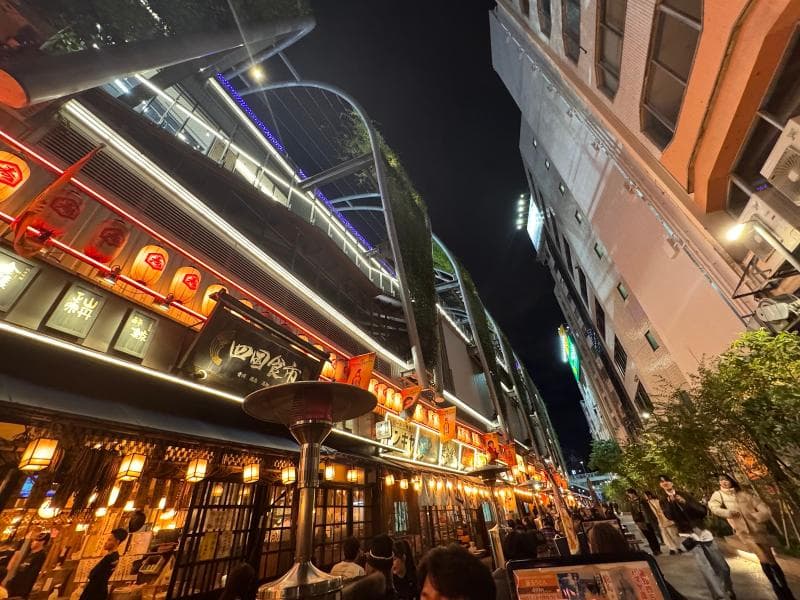
Discover Nonbei Yokocho, Shibuya, Tokyo, Japan's 'Drunkard's Alley.' Experience intimate, retro bars and local culture in this historic gem.
Overview
Nestled amidst the electrifying neon glow and bustling modernity of Shibuya, Tokyo, lies a cherished relic of a bygone era: Nonbei Yokocho. Affectionately translated as 'Drunkard's Alley' or 'Alley for those who love drinking,' this narrow, lantern-lit enclave offers a captivating glimpse into old Tokyo's intimate drinking culture. Just a short stroll from the world-famous Shibuya Crossing, Nonbei Yokocho is a striking contrast to its hyper-modern surroundings, inviting visitors to step back in time.
This unique sub-spot comprises two parallel alleys, densely packed with approximately 38 to 40 tiny, independent bars and izakayas, often spread across two floors. Each establishment is remarkably compact, typically accommodating only four to eight patrons at a counter, fostering an exceptionally intimate and personal atmosphere. It is a place where conversations flow freely between customers and the bar owners, many of whom are 'mama-sans' (female owner-operators) who have tended their establishments for decades.
While Shibuya pulsates with contemporary trends, Nonbei Yokocho stands as a testament to resilience, preserving its unpolished, Showa-era charm against the backdrop of relentless urban redevelopment. It is less about culinary extravagance and more about the communal experience of sharing drinks and stories, providing an authentic slice of Tokyo's 'low city' soul.
History & Cultural Background
The origins of Nonbei Yokocho trace back to the immediate post-World War II period, specifically around 1950-1952. After the devastating 1945 firebombing of Tokyo, the area around Shibuya Station transformed into a black-market zone, catering to demobilized soldiers and postwar workers seeking affordable food and drink. This gave rise to numerous 'yokocho' alleys, which served as informal hubs for sustenance and solace.
By the late 1960s, Nonbei Yokocho had largely settled into its enduring form: a collection of small, owner-operated drinking counters. Unlike its more boisterous counterpart, Omoide Yokocho in Shinjuku, Nonbei Yokocho evolved primarily as a drink-forward destination. Its name, 'Drunkard's Alley,' emerged during this period, reflecting its primary purpose. Over the decades, it has maintained its distinct character, resisting the modernization that has reshaped much of Shibuya. Its wooden facades and glowing lanterns evoke a strong sense of the Showa period (1926-1989), offering a living piece of history in a rapidly evolving metropolis.
What Makes It Special
Nonbei Yokocho's allure lies precisely in its stark contrast to modern Shibuya. What makes it truly special is its unyielding commitment to a nostalgic, Showa-era ambiance. The sheer tininess of its bars is a key characteristic; many can only fit a handful of people, forcing an intimate proximity that encourages interaction. This compact scale transforms a simple drink into a social ritual, where strangers often become temporary companions, sharing laughter and conversation with the bartender and fellow patrons.
Furthermore, Nonbei Yokocho is a bastion of independent, often family-run establishments. Many bars have been passed down through generations, with their owners, particularly the revered 'mama-sans,' acting as conduits of local culture and storytelling. This personal touch creates a welcoming atmosphere, a stark departure from the impersonal efficiency of larger establishments. The rhythmic rumble of JR Yamanote Line trains overhead further accentuates its unique, almost cinematic, setting.
Stories, Fun Facts & Local Details
The alley's very name, 'Nonbei Yokocho,' directly translates to 'Drunkard's Alley' or 'Alley for those who love drinking,' a straightforward and endearing description of its purpose. While often compared to Shinjuku's Golden Gai or Omoide Yokocho, Nonbei Yokocho distinguishes itself by its focus on drinks over elaborate food menus. Though some bars offer traditional Japanese snacks like yakitori or oden, the emphasis remains on the beverage and the social connection.
A fun detail is that some bars feature steep, ladder-like stairs leading to a second floor, offering an even more secluded experience and a different perspective of the lantern-lit alley below. It's common to encounter the 'otoshi' system, a small seating charge that typically includes a tiny appetizer, a customary practice in many Japanese bars that adds to the authentic local experience. The alley has witnessed many changes in Shibuya, yet it continues to stand as a resilient pocket of history, a place where local regulars have congregated for decades.
Visitor Perspective
For a curious traveler, Nonbei Yokocho offers a rare opportunity to experience a different side of Tokyo, far removed from the city's futuristic facade. While it has become increasingly popular with tourists, it retains a distinctly local vibe. Visitors can expect a cozy, intimate setting where interaction is encouraged, even if language barriers exist. Many owners are welcoming, and some establishments may even have English menus.
The best time to visit for an authentic, less crowded experience is typically during the early to mid-evening (around 7:30 PM to 9:30 PM) on a weekday, such as Tuesday or Wednesday. This allows for mingling with regulars and bar owners without the rush of peak weekend hours. It's advisable to avoid Sundays, as many establishments are closed. Etiquette suggests that these small bars are not suitable for large or rowdy groups; instead, they are places for quiet conversation and slow enjoyment. Embracing this intimate atmosphere and respecting the local customs will ensure a memorable dive into Shibuya's hidden gem.
Coordinates: 139.7029, 35.6601
View on Google Maps💬 How Travelers Describe This Place
Based on community votes
Unique
958Must See
743Photogenic
728Beautiful
719Interesting
382
Traveler Stories
Discover memorable experiences shared by travelers who have visited this place.
No traveler stories yet.
Be the first traveler to share what made this place memorable.

Tour
By
Spot
Discover amazing places around the world. Your journey starts here.
Explore
© 2026 TourBySpot. All rights reserved.