Nishinomaru Garden
Osaka, Japan
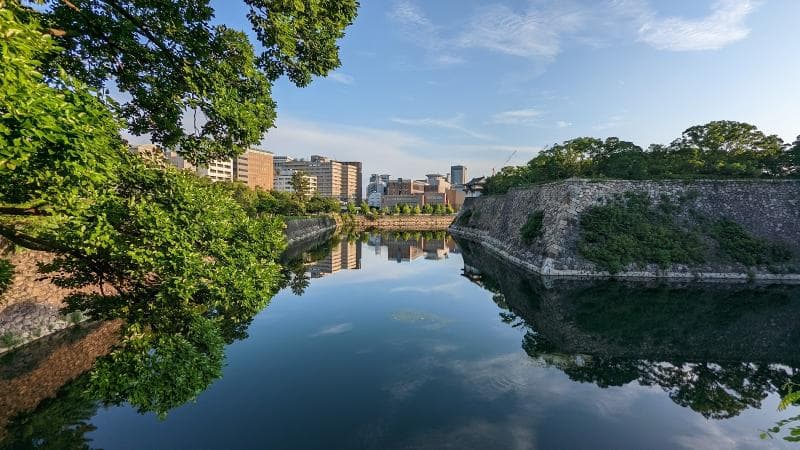
Discover Nishinomaru Garden, a historic oasis within Osaka Castle, Japan. Famous for cherry blossoms, stunning castle views, and ancient cultural properties.
Overview
Nishinomaru Garden is a serene and historically rich green space nestled within the expansive grounds of Osaka Castle in Osaka, Japan. Spanning approximately 6.5 hectares, this beautiful lawn garden offers visitors a tranquil escape from the bustling city and provides some of the most iconic views of the majestic Osaka Castle tower. It's celebrated throughout the year, but particularly shines during spring when hundreds of cherry trees burst into bloom, creating a spectacular backdrop against the castle's ancient walls. More than just a picturesque landscape, the garden is steeped in history, bearing connections to one of Japan's most significant historical figures, Toyotomi Hideyoshi, and housing several Important Cultural Properties. It serves as a vital component of the Osaka Castle complex, inviting travelers to immerse themselves in both natural beauty and profound cultural heritage.
History & Cultural Background
The area now known as Nishinomaru Garden is steeped in history, traditionally associated with Kita no Mandokoro (Nene), the esteemed wife of Toyotomi Hideyoshi, the 'Great Unifier of Japan'. Hideyoshi himself initiated the construction of Osaka Castle in the late 16th century, and this garden area was integral to its outer citadel. While the current garden was formally opened to the public in the 1960s, its foundations trace back to the Edo period, serving as a defensive and administrative part of the castle's complex. Within its serene borders lie three designated Important Cultural Properties: the Sengan Yagura and Inui Yagura, both turrets dating back to 1620, and the remarkable Enshōgura, Japan's only surviving stone gunpowder storehouse, constructed in 1685. These structures offer tangible links to the castle's military past and the architectural ingenuity of their time. The garden also preserves the stone base remains of the Taiko Tower, a former drum turret that once regulated daily life within the castle grounds by signaling noon.
What Makes It Special
Nishinomaru Garden's exceptional appeal lies in its unique blend of natural splendor and historical gravitas, offering unparalleled panoramic perspectives of Osaka Castle. It is famously renowned as one of Osaka's premier cherry blossom viewing (hanami) spots, boasting hundreds of Somei Yoshino cherry trees that create a breathtaking sea of pale pink blossoms each spring. During this peak season, the garden extends its hours and features enchanting night illuminations, allowing visitors to experience the magical beauty of the illuminated castle framed by blossoms under the evening sky. Beyond cherry blossoms, the garden also delights with an extensive plum grove comprising around 1,200 trees of various varieties, which come into spectacular bloom earlier in late winter or early spring. The large, meticulously maintained lawn provides ample space for relaxation and picnics, creating an idyllic setting for both contemplation and enjoyment. The presence of the Hoshoan teahouse further enriches the experience, offering a traditional Japanese tea ceremony in a tranquil environment.
Stories, Fun Facts & Local Details
One fascinating historical detail is that the area occupied by Nishinomaru Garden was once the residence of Kita no Mandokoro, the influential wife of Toyotomi Hideyoshi, a figure central to Japan's unification. Her presence underscores the garden's deep historical connection to the very heart of Osaka Castle's origins. Another intriguing aspect is the Enshōgura, the 1685 stone gunpowder storehouse, which stands as Japan's sole remaining structure of its kind. Its robust construction, featuring walls, floor, and ceiling built from cut granite and plaster, was a direct response to a predecessor's explosion after a lightning strike in 1660, showcasing remarkable Edo-period engineering aimed at minimizing fire risk. During the cherry blossom season, local tradition includes 'hanami', or flower viewing, where families and friends gather under the blooming trees for picnics and celebrations, and Nishinomaru Garden becomes a vibrant hub for this cherished custom. The garden even hosts special night events with illuminations during this period, turning the landscape into a captivating spectacle.
Visitor Perspective
Visiting Nishinomaru Garden offers a multifaceted experience for any traveler to Osaka. It provides an ideal vantage point for capturing breathtaking photographs of Osaka Castle, especially when the castle is framed by the garden's seasonal blooms. While the broader Osaka Castle Park is free, Nishinomaru Garden typically requires a modest entrance fee, which can increase during the peak cherry blossom season due to extended hours and special illuminations. It is advisable to check the garden's opening hours, as they vary slightly between seasons and are extended significantly during the cherry blossom period, sometimes until 9 PM. The garden is generally closed on Mondays and during the New Year holidays. To fully appreciate the tranquil atmosphere and avoid the largest crowds, particularly during spring, arriving shortly after opening on a weekday is recommended. Whether seeking historical insights, stunning natural beauty, or a peaceful retreat, Nishinomaru Garden delivers a memorable and enriching encounter with Osaka's heritage.
Coordinates: 135.524307, 34.687447
View on Google Maps💬 How Travelers Describe This Place
Based on community votes
Photogenic
915Beautiful
211Interesting
123Unique
74Must See
20
Traveler Stories
Discover memorable experiences shared by travelers who have visited this place.
No traveler stories yet.
Be the first traveler to share what made this place memorable.

Tour
By
Spot
Discover amazing places around the world. Your journey starts here.
Explore
© 2026 TourBySpot. All rights reserved.