Neon signage
Osaka, Japan
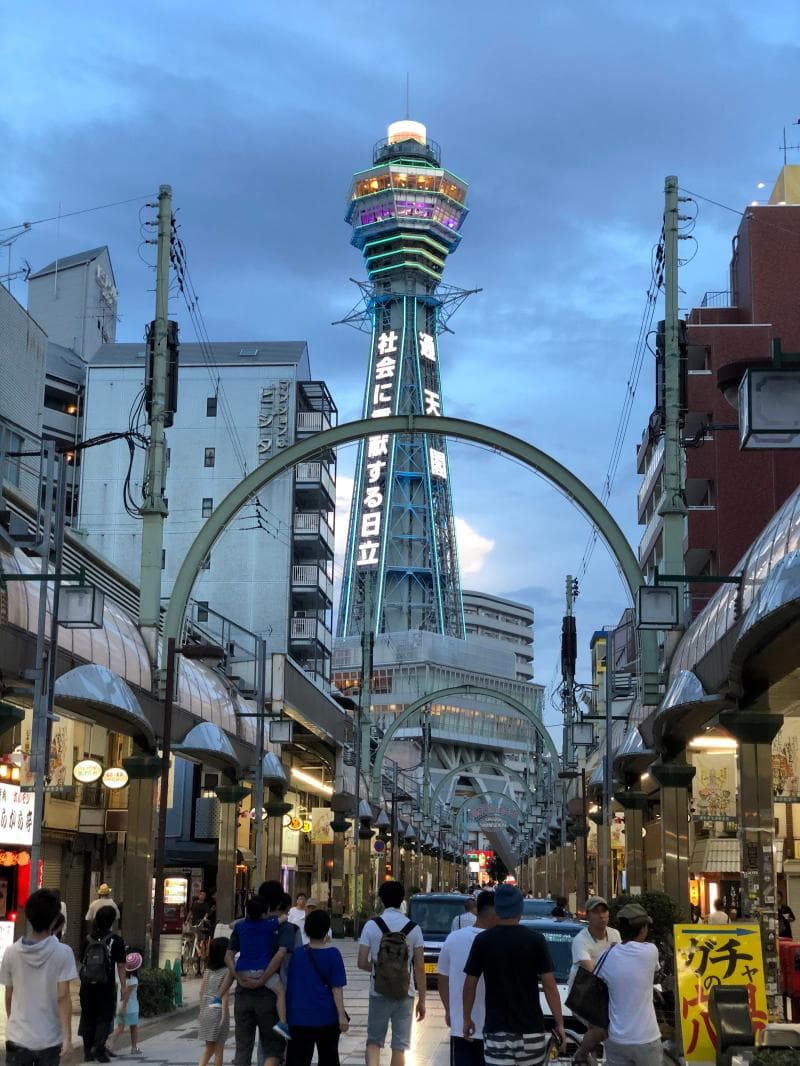
Discover the captivating neon signage of Tsutenkaku Tower in Osaka, Japan. Explore its vibrant history, cultural significance, and dazzling nightly illuminations.
Overview
Nestled in the heart of Osaka's vibrant Shinsekai district, the Tsutenkaku Tower stands as an enduring symbol, famously known as the 'tower reaching heaven'. While the broader Shinsekai area is celebrated for its dazzling array of retro neon lights, the tower itself contributes significantly to this luminous cityscape with its distinctive illuminations and recently updated digital signage. This iconic structure, which originally rose in 1912 and was later rebuilt in 1956, offers visitors more than just panoramic views of Osaka; it provides a journey into the city's nostalgic past and its embrace of modern spectacle. The tower's ever-changing lights, once traditional neon and now advanced LEDs, are an integral part of its identity, drawing countless eyes to its illuminated presence each night.
History & Cultural Background
The story of Tsutenkaku Tower and its captivating signage is deeply interwoven with the history of Osaka's Shinsekai district. The original tower, completed in 1912, was a marvel of its time, designed to evoke the grandeur of Paris's Eiffel Tower and the Arc de Triomphe, serving as the centerpiece of an amusement park called Luna Park. At 64 meters, it was once the tallest structure in the Orient, symbolizing a 'New World' of modernity and entertainment.
However, this initial beacon of progress met an unfortunate end, suffering severe fire damage in 1943 and subsequently dismantled, its metal repurposed for the wartime effort. The local citizens, deeply fond of their landmark, successfully lobbied for its reconstruction. Thus, the current, second-generation Tsutenkaku Tower was erected in 1956, designed by the acclaimed architect Tachu Naito, also known for his work on Tokyo Tower.
The tower's illuminations have always been a defining characteristic. For decades, it was renowned for its neon lighting, which notably ceased operations during the oil crisis of 1974–76 before being reinstated. Since 1957, Hitachi has been a prominent sponsor, with its advertisements often adorning the tower's lit facades. A significant modernization occurred in 2023 when the traditional neon lamps were replaced with over 400,000 flexible LED lights, enhancing the tower's ability to display a wider range of colors and dynamic digital signage, ensuring its place as a modern spectacle while honoring its historical luminescence.
What Makes It Special
What truly sets Tsutenkaku's signage apart is its dynamic and evolving nature, a captivating blend of tradition and cutting-edge technology. The tower's illuminations are more than just decorative; they are communicative. The lights at the top of the tower serve as a whimsical weather forecast beacon for the following day, changing colors to indicate predictions. Beyond utility, the tower's entire facade frequently transforms, adopting seasonal color schemes—such as vibrant pinks during the cherry blossom season or special purple light-ups for anniversaries.
The recent upgrade to advanced LED technology, including a 32-meter-high digital signage, allows for unparalleled flexibility in displaying intricate patterns, messages, and even multilingual information, making it a living canvas that reflects the pulse of the city. This innovation ensures that the tower remains a relevant and visually stunning landmark, capable of adapting to modern events and celebrations. The unique LED clock, engineered by EnergyFocus, further adds to its charm, displaying different modes and animations based on the hour and seasonal events, blending its historic role with contemporary creativity.
Stories, Fun Facts & Local Details
The name 'Tsutenkaku' itself, meaning 'tower reaching heaven', evokes a sense of aspiration and wonder that has been part of its identity since its inception. A beloved local detail is the enshrined statue of Billiken, an American-born good-luck figure, on the tower's observation deck. Visitors often rub Billiken's feet, believing it will bring them good fortune. This charming superstition adds a layer of cultural interaction to the visit.
The surrounding Shinsekai district amplifies the tower's allure, an area where time seems to have delightfully paused in a retro, Showa-era charm. Its alleyways burst with glowing neon signs from countless restaurants and old-school amusement arcades, creating a sensory-rich environment that complements the tower's brilliance. The fourth floor of the tower, known as the 'Observation Deck of Light,' truly comes alive at night with LED lighting and even disco balls, offering a lively atmosphere that resonates with Shinsekai's energetic vibe. Even the ceiling mural on the first floor pays homage to the tower's whimsical origins, being a reproduction of the original Luna Park fresco.
Visitor Perspective
For any traveler to Osaka, experiencing the neon signage of Tsutenkaku Tower is an absolute must, particularly in the evening. As dusk settles, the tower ignites, casting a spectacular glow over the Shinsekai district. The surrounding streets, already bustling with colorful signs from 'kushikatsu' restaurants and pachinko parlors, become a dazzling spectacle, offering a vibrant contrast to the daytime view.
Ascending the tower provides not only breathtaking panoramic views of Osaka's sprawling cityscape but also an intimate experience of its internal illuminations. The 'Observation Deck of Light' on the fourth floor, with its dynamic LED displays, offers a particularly immersive atmosphere at night. It's an opportunity to step into a slice of Osaka's past while witnessing its present-day dynamism, a true representation of the city's friendly and unpretentious character. While observation deck lines can be long on weekends, the unforgettable visual feast of the tower's lights and the surrounding Shinsekai neon makes the visit well worth it.
Coordinates: 135.50631, 34.65254
View on Google Maps💬 How Travelers Describe This Place
Based on community votes
Beautiful
921Interesting
831Unique
232Photogenic
211Must See
147
Traveler Stories
Discover memorable experiences shared by travelers who have visited this place.
No traveler stories yet.
Be the first traveler to share what made this place memorable.

Tour
By
Spot
Discover amazing places around the world. Your journey starts here.
Explore
© 2026 TourBySpot. All rights reserved.