Necropolis and Rock-Cut Tombs
Antalya, Turkey
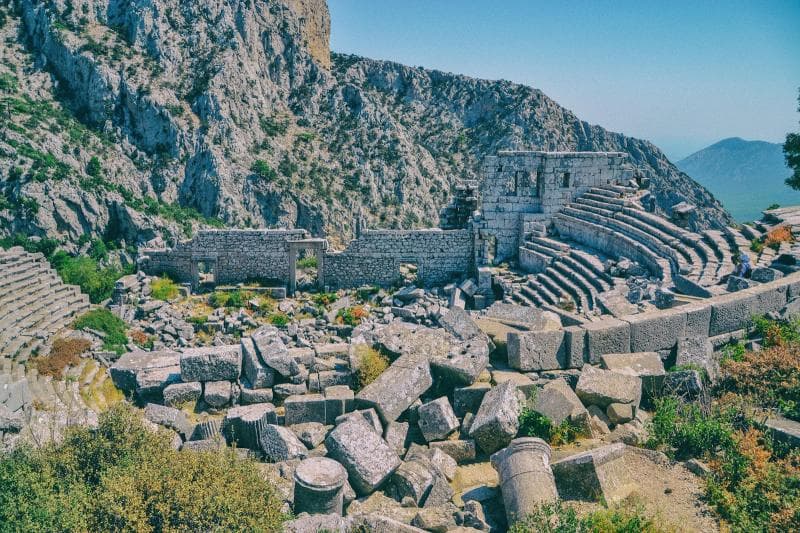
Explore the Necropolis and Rock-Cut Tombs of Termessos, an ancient Pisidian city high in the Taurus Mountains near Antalya, Turkey. Discover its unique history.
Overview
High in the rugged Taurus Mountains, approximately 30 kilometers northwest of Antalya, Turkey, lies the ancient city of Termessos, a remarkably preserved site that famously resisted Alexander the Great. Within this captivating ruin, the Necropolis and Rock-Cut Tombs stand as a profound testament to the lives and beliefs of its ancient inhabitants. Unlike many extensively excavated sites, Termessos offers a unique experience, with its ruins, including the vast necropolis, blending seamlessly into the wild, pine-forested mountain landscape. This 'city of the dead' is not merely a collection of graves but an integral part of the ancient urban fabric, providing a poignant glimpse into a civilization that once thrived amidst these formidable peaks.
History & Cultural Background
Termessos was originally a Pisidian city, inhabited by the fiercely independent Solymi people, who are even mentioned in Homer's 'Iliad' in connection with the legend of Bellerophon. Its strategic location, perched at an altitude of over 1,000 meters, made it a natural fortress. The city's defiant spirit was etched into history in 333 BC when Alexander the Great, unable to conquer its impregnable defenses, famously bypassed it, comparing it to an 'eagle's nest'. After Alexander, Termessos assimilated into the Hellenistic world and later formed an autonomous alliance with the Roman Republic around 70 BC, thriving as a provincial city during the 2nd and 3rd centuries AD. The city's eventual abandonment around the 5th century AD is largely attributed to a devastating earthquake, or a series of them, which likely destroyed its vital waterworks beyond repair. This natural abandonment, rather than systematic excavation, is precisely what has preserved Termessos and its necropolis in such a pristine, untouched state, allowing nature to reclaim much of the site.
What Makes It Special
The Necropolis and Rock-Cut Tombs of Termessos are among the largest and best-preserved ancient burial grounds in Anatolia, making them a truly special and evocative site. Scattered across the steep mountainsides and forested slopes, these thousands of tombs present a diverse array of burial types, from impressive sarcophagi adorned with intricate carvings to monumental rock-cut tombs carved directly into the natural rock faces. The sheer scale is breathtaking, with estimates suggesting over 3,000 tombs and hundreds of inscriptions documented across various necropolis areas. Unlike more orderly Roman cemeteries, the Termessos necropolis feels organic, deeply intertwined with the rugged terrain, offering a profound sense of communion between the ancient world and the wild natural environment. The artistry displayed in the carvings, depicting gods, mythological creatures, and symbolic motifs, provides valuable insight into the artistic and religious beliefs of the Pisidians.
Stories, Fun Facts & Local Details
One of the most compelling narratives associated with the necropolis is the tomb traditionally linked to Alcetas, one of Alexander the Great's generals. This rock-cut tomb features a unique relief carving of a mounted Macedonian soldier, accompanied by shields, spears, and armor, providing a direct, albeit traditional, link to the tumultuous Hellenistic period. Recent excavations, which began in 2025, are beginning to unearth further fascinating details. For example, a newly revealed monumental tomb boasts high reliefs depicting 'dancing women' holding theater masks, alongside grapevines and theatrical motifs, offering a rare glimpse into the cultural life and artistic expression of the Termessians. Another significant discovery includes a monumental tomb podium commissioned by a woman named Antiochis, adorned with reliefs of shields, spears, bows, arrows, and even armor believed to belong to Amazon warrior women, highlighting the martial culture of the city. The presence of such diverse and richly decorated tombs underscores the significant status and wealth of Termessos' citizens during its peak.
Visitor Perspective
Visiting the Necropolis and Rock-Cut Tombs of Termessos is an immersive journey that goes beyond typical archaeological sightseeing. It requires a spirit of adventure and preparation. The site is located within Mount Güllük-Termessos National Park, necessitating a hike through natural terrain to reach the various sections of the necropolis. Travelers should wear sturdy footwear, bring plenty of water, and allow ample time to explore, as the scattered nature of the tombs and the challenging, yet rewarding, paths demand a leisurely pace. The feeling of discovering these ancient burial sites amidst wild pine forests, largely untouched by modern restoration, is deeply evocative. The panoramic views of the surrounding Taurus Mountains and the Antalya plain from these elevated resting places are simply breathtaking, adding to the mystical atmosphere of the site. It's an experience that offers not just historical insight but also a profound connection with nature, a feeling of stepping back in time to explore a civilization whose final resting places are still guarded by the mountains themselves.
Coordinates: 30.4631, 36.9836
View on Google Maps💬 How Travelers Describe This Place
Based on community votes
Photogenic
623Must See
363Interesting
302Beautiful
250Unique
88
Traveler Stories
Discover memorable experiences shared by travelers who have visited this place.
No traveler stories yet.
Be the first traveler to share what made this place memorable.

Tour
By
Spot
Discover amazing places around the world. Your journey starts here.
Explore
© 2026 TourBySpot. All rights reserved.