Nearby Cafés
Podgorica, Montenegro
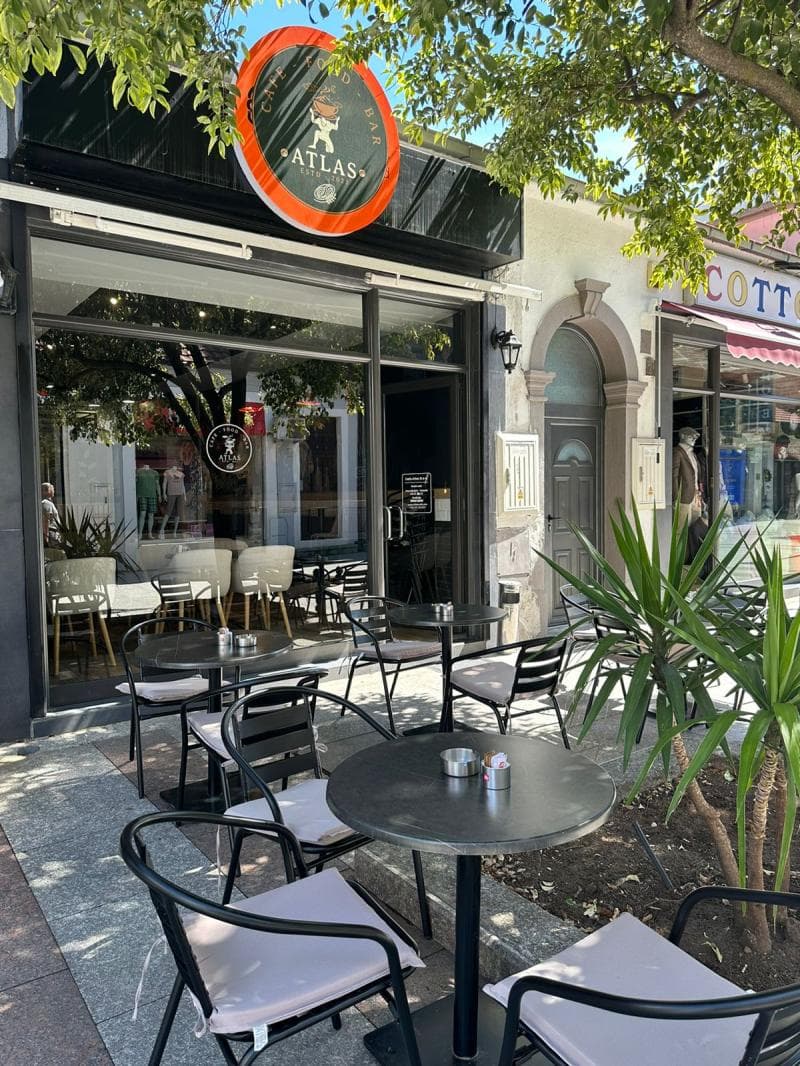
Discover Podgorica's historic Clock Tower (Sahat Kula) in Stara Varoš, a resilient Ottoman landmark. Explore its rich past and enjoy charming nearby cafés.
Overview
Nestled in the heart of Podgorica's historic Stara Varoš (Old Town) district, the Clock Tower, locally known as Sahat Kula, stands as a resilient emblem of the city's rich past. This enduring landmark, one of the few Ottoman structures to survive extensive bombings during World War II, serves not only as a historical timekeeper but also as a focal point for exploring the charming surrounding area. While there isn't a café physically 'inside' the Clock Tower itself, the immediate vicinity and the narrow, winding lanes of Stara Varoš are dotted with traditional kafanas and modern cafés, offering a delightful blend of local culture and hospitality. Visitors can easily immerse themselves in the authentic atmosphere, savoring a coffee or a local meal just steps away from this significant monument. The renovated square around the tower has further enhanced its appeal, making it a natural gathering spot.
History & Cultural Background
The Sahat Kula was constructed in 1667 by Hadži-paša Osmanagić, a prominent citizen of Podgorica during the Ottoman era, establishing it as one of the oldest and most significant landmarks in Montenegro. This freestanding stone tower, originally 19 meters (62 feet) tall, was vital for regulating daily life in the city, marking working hours, prayer times, and market activities. Its initial clock mechanism, believed to be Austrian, was later replaced around 1890 with one crafted by the Pietro Colbachini foundry in Bassano del Grappa, Italy, following Podgorica's incorporation into Montenegro. Around the same time, a metal cross, meticulously made by Stevan Radović, was installed at the tower's summit. This addition symbolized the city's transition from Ottoman to Christian rule, a visible testament to the region's complex and layered history. Despite the devastation of World War II, which heavily impacted Podgorica, the Clock Tower remarkably endured, standing as a silent witness to centuries of change and resilience.
What Makes It Special
What makes Podgorica's Clock Tower truly special is its remarkable endurance and its role as a living chronicle of the city's diverse heritage. It is one of the very few Ottoman landmarks that survived the intense bombing of Podgorica in World War II, making it a rare and precious connection to the city's past. For centuries, it served as the sole public clock, an indispensable feature of urban life that helped residents coordinate their daily activities. Its strategic location symbolically marks the boundary between the old and new parts of Podgorica, serving as a tangible bridge between eras. The blend of Ottoman architecture with the later addition of a Christian cross visually encapsulates the cultural shifts and historical narratives that have shaped Podgorica. Today, it is an important cultural monument, protected by law, and its recently renovated square has revitalized the area, making it a vibrant cultural and social hub that attracts both locals and tourists.
Stories, Fun Facts & Local Details
Local lore adds an air of mystique to the Sahat Kula; according to legend, its original clock mechanism was brought all the way from Italy, contributing to its intrigue. The Stara Varoš district, where the tower proudly stands, offers a fascinating glimpse into a different, older side of the capital, a stark contrast to the modern city center across the river. Wandering through its narrow lanes, visitors can find old houses and the Starodoganjska Mosque, creating an atmospheric setting that comes alive, especially in the evening. It's a place where you can almost feel the whispers of generations past. For instance, tiny kafanas by the Clock Tower are known to serve traditional dishes like čorba, often described as tasting like someone's grandmother never left the kitchen. The area is also famous for its strong Bosnian coffee, with its aroma filling the morning air in these charming local spots. These cafes are not just places to drink; they are essential social hubs, carrying the pulse of local life, meetings, and casual pauses.
Visitor Perspective
For the curious traveler, a visit to the Clock Tower and its surrounding 'Nearby Cafés' in Stara Varoš is an immersion into the authentic soul of Podgorica. Starting at the Clock Tower itself, you can appreciate its historical significance and architectural beauty, then easily venture into the pedestrian-friendly lanes of the Old Town. Here, the experience extends beyond sightseeing to engaging with local life. You'll find a delightful array of traditional kafanas and modern cafes where you can relax, people-watch, and enjoy Montenegrin hospitality. These establishments offer the perfect spot for a leisurely coffee, a light snack, or a more substantial traditional meal. For example, some 'old local cafes next to it' provide a cozy setting to enjoy the atmosphere. The area is highly walkable, allowing visitors to easily explore the old-world charm, perhaps discovering a favorite spot for coffee or traditional food. It's a place where history meets everyday life, offering a meaningful cultural experience away from the bustling modern city center.
Coordinates: 19.260014, 42.435557
View on Google Maps💬 How Travelers Describe This Place
Based on community votes
Photogenic
926Must See
703Interesting
646Unique
380Beautiful
291
Traveler Stories
Discover memorable experiences shared by travelers who have visited this place.
No traveler stories yet.
Be the first traveler to share what made this place memorable.

Tour
By
Spot
Discover amazing places around the world. Your journey starts here.
Explore
© 2026 TourBySpot. All rights reserved.