Naviglio Grande
Milan, Italy
Explore Naviglio Grande, Milan, Italy's oldest canal. Discover its rich history, artistic charm, and vibrant nightlife in the Navigli District.
Overview
Nestled within Milan's charming Navigli District, the Naviglio Grande stands as the oldest and most historically significant of the city's canal system. This impressive waterway, whose name translates to 'Big Canal,' offers a picturesque escape from the bustling city center, drawing both locals and curious travelers to its banks. It links the Ticino river near Tornavento to the Darsena, the historic dock of Milan, and today serves as a vibrant hub of culture, art, and social life.
Once a crucial artery for trade and transport, the Naviglio Grande has transformed into one of Milan's most beloved areas, characterized by its unique blend of ancient charm and modern vibrancy. The canal and its surroundings are famed for romantic strolls, a lively atmosphere, and an array of shops, galleries, bars, and restaurants.
History & Cultural Background
The origins of the Naviglio Grande date back to the 12th century, conceived initially as a defensive ditch in 1157 against Frederick Barbarossa. Construction officially began in 1177, and by 1272, it was fully navigable. This monumental medieval engineering project, extending almost 50 kilometers, played an indispensable role in Milan's development. It facilitated commerce, irrigation, and the transportation of vital goods, connecting Milan to Lake Maggiore and even Switzerland.
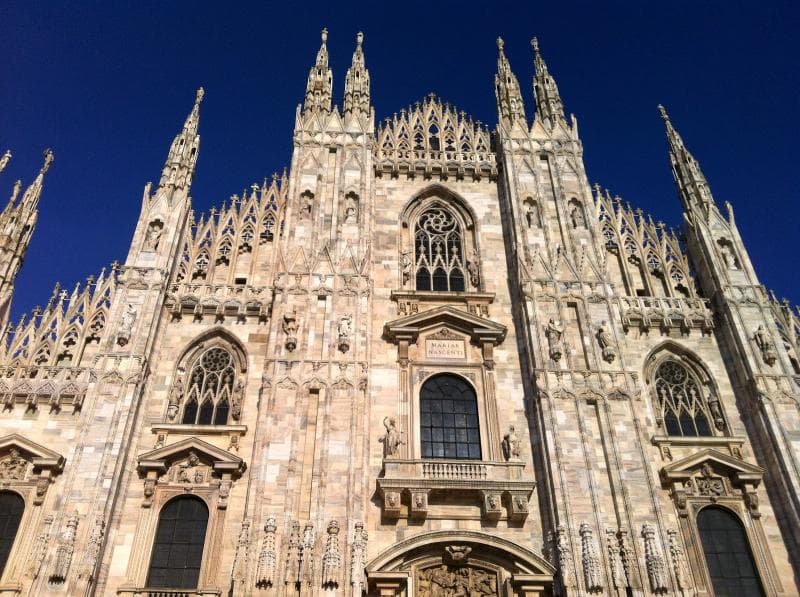
Perhaps its most renowned historical function was the transport of Candoglia marble, used extensively in the construction of Milan's iconic Duomo, whose building commenced in 1386. The canal system was further refined by none other than Leonardo da Vinci in the late 15th century, who designed innovative lock systems to manage varying water levels and improve navigation. While commercial navigation declined in the 20th century with the rise of rail transport, the Naviglio Grande's historical significance endures, with efforts to redevelop and revitalize the area, including the Darsena, continuing to highlight its heritage.
What Makes It Special
The Naviglio Grande is special for its incredible longevity and adaptability. It holds the distinction of being Europe's first and largest navigable canal system, a testament to medieval hydraulic engineering that still functions today for irrigation. Its evolution from a purely utilitarian waterway to a cherished urban landscape is remarkable. The district surrounding the canal, once a gritty industrial port, is now an enchanting mix of old Milanese architecture, such as the 'case di ringhiera' (railing houses), and contemporary artistic expression. The juxtaposition of ancient wash houses with modern art studios, and historic bridges alongside vibrant street art, creates a distinctive atmosphere that is uniquely Milanese.
Stories, Fun Facts & Local Details
One of the most charming spots along the Naviglio Grande is the Vicolo dei Lavandai, or 'Washermen's Alley.' This narrow street preserves an ancient communal wash house, complete with its original slanted stones, where washerwomen diligently cleaned clothes until the 1950s. It offers a tangible glimpse into daily life from centuries past. Another highlight is the Mercatone dell'Antiquariato, Milan's largest antique market, which takes place along the canal on the last Sunday of every month, featuring over 350 stalls.
The area also has strong ties to the arts; artists and creative types have long been associated with the Naviglio Grande. The district was home to the acclaimed poetess Alda Merini, and you can find plaques and murals dedicated to her, reflecting the bohemian spirit that permeates the neighborhood. The canal's banks also feature art galleries showcasing emerging artists, adding to its creative allure.
Visitor Perspective
For visitors, the Naviglio Grande offers a multifaceted experience throughout the day and into the night. Mornings are ideal for peaceful strolls, exploring the artisanal shops and small art galleries that line the towpaths, such as Ripa di Porta Ticinese and Alzaia Naviglio Grande. The district truly comes alive in the late afternoon and evening, becoming a prime spot for Milanese aperitivo culture, with numerous bars and restaurants offering a lively social scene.
Boat trips along the canal provide a unique perspective of the historic buildings and the city's past. Public transport, including metro and tram, makes accessing the Naviglio Grande convenient from central Milan, with Porta Genova being a key station. Whether you're seeking history, art, delicious food, or a vibrant nightlife, the Naviglio Grande offers an authentic and memorable Milanese experience.
Coordinates: 9.1667, 45.45
View on Google Maps💬 How Travelers Describe This Place
Based on community votes
Interesting
683Photogenic
642Must See
536Beautiful
251Unique
88
Traveler Stories
Discover memorable experiences shared by travelers who have visited this place.
No traveler stories yet.
Be the first traveler to share what made this place memorable.

Tour
By
Spot
Discover amazing places around the world. Your journey starts here.
Explore
© 2026 TourBySpot. All rights reserved.