National Monument
Geneva, Switzerland
Discover Geneva's National Monument in Jardin Anglais, Switzerland, a bronze sculpture symbolizing the city's 1814 entry into the Swiss Confederation.
Overview
Nestled within Geneva's picturesque Jardin Anglais, the National Monument stands as a compelling symbol of the city's rich history and its enduring bond with Switzerland. More than just a static sculpture, it is a narrative in bronze, depicting a pivotal moment in Genevan identity. Visitors often encounter this monument while strolling through the popular English Garden, enjoying the lakeside views, and experiencing the city's vibrant atmosphere. Its serene presence offers a reflective counterpoint to the bustling energy of Geneva, inviting contemplation on the historical journey that shaped this global city.
History & Cultural Background
The National Monument was inaugurated in 1869, a significant year marking the 50th anniversary of Geneva's entry into the Swiss Confederation. This momentous event took place on September 12, 1814, following a period of profound political change across Europe. After being annexed by revolutionary France in the late eighteenth century and then regaining its republican status after Napoleon's defeat, Geneva faced the need for a stable and secure future. The choice to join the Swiss Confederation was a strategic one, aimed at ensuring the city's long-term independence and security. The monument, sculpted by Robert Dorer, was conceived to honor this crucial alliance and the patriotic sentiments surrounding it. It transformed a complex political decision into a powerful visual metaphor of unity and shared destiny.
What Makes It Special
What truly sets the National Monument apart is its evocative sculptural representation. It features two female figures, cast in bronze, standing proudly on a pedestal. One figure, identifiable by her crenellated headgear, personifies the Republic of Geneva, while the other embodies Helvetia, the allegorical representation of Switzerland. Their arms are wrapped around each other's waists, signifying a powerful embrace of agreement and unity rather than conquest or subservience. They hold a sword and a shield, their gaze resolutely fixed towards the lake and in the direction of Switzerland, symbolizing protection and a shared future. This artistic rendering beautifully encapsulates the complex historical narrative of Geneva choosing its place within the Confederation, highlighting shared values of liberty, justice, and peace.
Stories, Fun Facts & Local Details
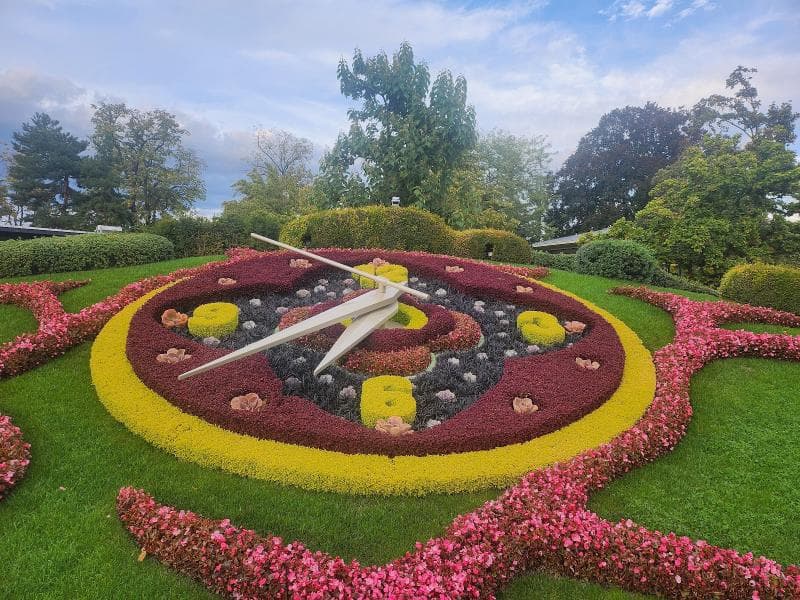
The monument's story is deeply intertwined with Geneva's resilience. The arrival of Swiss troops by boat at Port-Noir on June 1, 1814, a moment still commemorated in local civic ceremonies, preceded the formal entry into the Confederation. Robert Dorer, the Swiss sculptor born in 1830, brought this historical weight to life. His exceptional artistic talent, refined through studies in Munich and Dresden, enabled him to infuse patriotic sentiment into his works. Although he lived abroad for periods, Dorer remained profoundly inspired by Swiss history, and the National Monument in Geneva stands as a testament to his ability to convey national pride and unity through art. The monument's calm pose is a subtle yet profound detail, conveying a peaceful resolution to what was a complicated shift in borders, diplomacy, and military protection. It is a narrative told through stance and embrace, rather than grand pronouncements. Today, the monument is a popular spot for visitors and locals alike, offering a moment of quiet reflection amidst the vibrant Jardin Anglais, often photographed alongside the famous Flower Clock and with views of the Jet d'Eau.
Visitor Perspective
Visiting the National Monument offers a unique opportunity to connect with Geneva's historical heart. Located in the easily accessible Jardin Anglais, it is perfectly integrated into a leisurely stroll along the lakeside. Approaching the monument, one can appreciate the fine details of Dorer's bronze figures, observing their symbolic attire and intertwined embrace. The surrounding English Garden, with its lush greenery, seasonal floral displays, and the nearby iconic Flower Clock, creates a tranquil and historically rich setting. Many find it a peaceful spot to pause, take photographs, and reflect on the monument's message of unity and independence. It's a place where history feels tangible, offering a quiet yet powerful insight into the Genevan spirit that continues to shape the city's identity as a beacon of international cooperation and peace. The monument stands not just as a relic of the past, but as a living reminder of the decisions and values that underpin modern Geneva.
Coordinates: 6.15039, 46.20466
View on Google Maps💬 How Travelers Describe This Place
Based on community votes
Interesting
685Unique
446Photogenic
399Must See
152Beautiful
33
Traveler Stories
Discover memorable experiences shared by travelers who have visited this place.
No traveler stories yet.
Be the first traveler to share what made this place memorable.

Tour
By
Spot
Discover amazing places around the world. Your journey starts here.
Explore
© 2026 TourBySpot. All rights reserved.