National History Museum
Jakarta, Indonesia
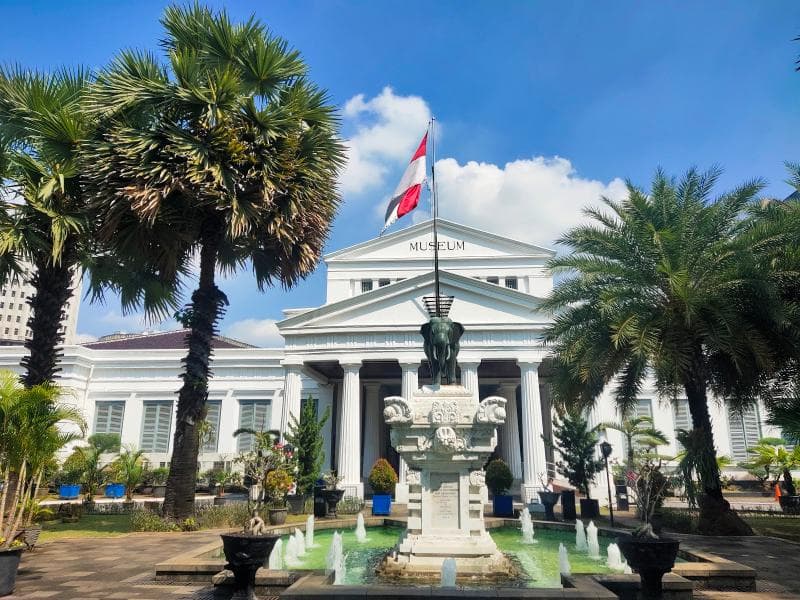
Explore Jakarta's National History Museum inside Monas, delving into Indonesia's past through 51 dioramas, from ancient kingdoms to independence.
Overview
Deep within the colossal National Monument (Monas) in Jakarta, Indonesia, lies a hidden gem that often gets overlooked by visitors eager for the panoramic views from the top: the National History Museum. This museum, also known as Museum Sejarah Nasional, provides a profound journey through Indonesia's rich and complex past. Situated in the lower hall of the monument's base, it offers a detailed historical narrative presented through a series of vivid dioramas. It is an essential stop for any curious traveler wishing to understand the spirit and struggle of the Indonesian people.
While Monas itself stands as a towering symbol of independence, reaching 132 meters into the sky and crowned with a golden flame, its foundation cradles this invaluable repository of national memory. The museum serves as an immersive introduction to the nation's journey, from its prehistoric origins to the dawn of the New Order era. Visitors can expect to spend time exploring the various exhibits that meticulously depict key moments and cultural developments that shaped this archipelagic nation.
History & Cultural Background
The story of the National History Museum is intrinsically linked with the National Monument itself. Construction of Monas began in 1961 under President Sukarno, with the aim of commemorating Indonesia's struggle for independence. The monument was officially opened to the public in 1975, a testament to years of national effort and aspiration. The museum, however, was part of the final phase of construction, with its elaborate dioramas being added between 1969 and 1976.
Culturally, the museum acts as a powerful educational tool and a keeper of national pride. It encapsulates the ideals of freedom and sovereignty that fueled Indonesia's fight for independence. The displays are not merely static exhibits; they are a chronological tapestry of resilience, highlighting the diverse cultural heritage and the collective spirit of unity across the archipelago. The museum's existence reinforces the monument's role as a potent reminder of the sacrifices made to achieve and maintain independence.
What Makes It Special
What truly sets the National History Museum apart is its unique storytelling method: a series of 51 intricately crafted dioramas. These three-dimensional scenes bring pivotal historical moments to life, making complex narratives accessible and engaging for visitors of all ages. From the grandeur of ancient kingdoms like Sriwijaya and Majapahit to the challenging periods of European colonization and the subsequent uprisings against Dutch rule, each diorama captures a significant chapter.
The museum systematically traces the development of Indonesia, detailing the Japanese occupation, the momentous Proclamation of Indonesian Independence in 1945, and the subsequent fight to defend it. The journey culminates with the achievements and developments of the nation in the post-independence era. Walking through these exhibits offers a compelling visual narrative, allowing visitors to grasp the depth and breadth of Indonesian history in a unique and memorable way.
Stories, Fun Facts & Local Details
One fascinating aspect often noted by locals is how the very dimensions of the National Monument subtly weave in the date of Indonesia's Independence. The numbers 17, 8, and 45—representing August 17, 1945—are integrated into various measurements of the monument's structure, a subtle tribute to the nation's most significant day. This clever design detail adds another layer of meaning to the already symbolic structure.
Visiting the museum is also a glimpse into local life. Many Jakartans consider a trip to Monas, including its museum, a patriotic pilgrimage. It's common to see school groups absorbing the history lessons, families spending weekends understanding their heritage, and even couples enjoying the surrounding Merdeka Square park. While the observation deck offers breathtaking views, the museum provides the soul of the monument, connecting visitors directly to the struggles and triumphs of a nation. Don't be surprised if locals enthusiastically ask if you've explored this historical heart of Jakarta.
Visitor Perspective
For a traveler, navigating the National History Museum is a journey into the soul of Indonesia. Upon entering the Monas complex, visitors typically proceed to an underground area where the museum is located. Access usually requires purchasing a JakCard, a prepaid card used for entry and other services within Jakarta's public transport system. The museum's calm, marble-lined halls offer a cool respite, especially from Jakarta's tropical heat.
While the observation deck is a major draw, many find the museum to be an unexpectedly informative and engaging experience, often calling it a highly effective summary of Indonesia's development. The dioramas, accompanied by explanatory texts in both Indonesian and English, offer clear insights. It is advisable to visit in the morning to avoid larger crowds and enjoy a more serene exploration of this vital historical landmark. Although the museum is integral to the Monas experience, its true value lies in the depth of historical and cultural understanding it imparts, rather than just being a quick stop on the way to the top.
Coordinates: 106.827139, -6.175389
View on Google Maps💬 How Travelers Describe This Place
Based on community votes
Photogenic
623Must See
363Interesting
302Beautiful
250Unique
88
Traveler Stories
Discover memorable experiences shared by travelers who have visited this place.
No traveler stories yet.
Be the first traveler to share what made this place memorable.

Tour
By
Spot
Discover amazing places around the world. Your journey starts here.
Explore
© 2026 TourBySpot. All rights reserved.