National Gallery Of Armenia
Yerevan, Armenia
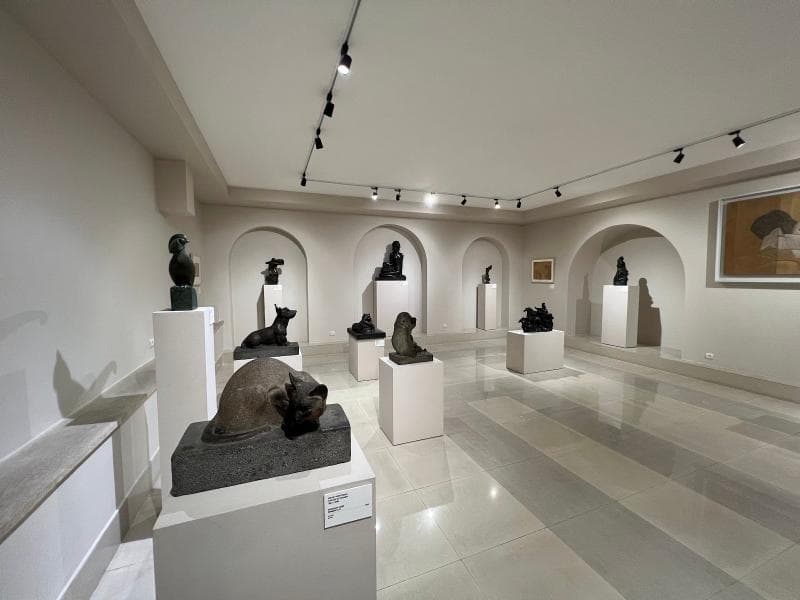
Explore the National Gallery of Armenia in Yerevan, a cultural gem on Republic Square, featuring the world's largest collection of Armenian art and international masterpieces.
Overview
Nestled in the architectural grandeur of Republic Square in Yerevan, Armenia, the National Gallery of Armenia stands as the nation's premier fine arts museum. It occupies a significant position within the capital's central ensemble, sharing its impressive building with the History Museum of Armenia. This cultural institution is a beacon for art enthusiasts, housing an extensive collection that spans centuries of Armenian, Russian, and Western European artistic expression. With over 42,000 exhibits, it is recognized for possessing the world's largest collection of Armenian art, alongside valuable international masterpieces. Visitors can immerse themselves in 56 exhibition halls, offering a journey through diverse artistic periods and styles.
History & Cultural Background
The National Gallery of Armenia's story began in 1921, established under the decree of the Armenian Soviet Socialist Republic. Initially conceived as the Art Department of the State Museum, it found its first home on Astafyan (now Abovyan) Street. The early days were marked by efforts to build a collection from scratch, as Yerevan lacked substantial public or private art holdings. The first acquisitions included dozens of works from an Armenian painters' exhibition in August 1921. Donations played a crucial role in its growth, with Armenian artists and international benefactors contributing significantly. By 1925, the gallery displayed 400 pieces across six halls. In 1935, it transitioned into an independent entity, the State Art Museum, and was later renamed the State Picture Gallery of Armenia in 1947. Its current name, the National Gallery of Armenia, was adopted in 1991, following Armenia's independence. The building itself, a classical-style structure, was developed in stages, with its current form completed in 1980 as part of a larger initiative to modernize Yerevan's central square.
What Makes It Special
What truly distinguishes the National Gallery of Armenia is its comprehensive scope, particularly its unparalleled collection of Armenian art. It offers a unique and profound insight into the evolution of Armenian fine arts, from medieval frescoes and miniatures to the works of modern masters. Beyond national treasures, the gallery boasts a remarkable array of international art, making it the only museum in the region recognized for the breadth and scale of its world fine art collection. Highlights include a dedicated hall for the marine paintings of Hovhannes Aivazovsky, an Armenian artist of international renown, housing one of the world's largest collections of his works. The presence of European Old Masters, including works by Donatello, Tintoretto, and major figures in Russian art like Kandinsky and Chagall, further solidifies its standing as a significant cultural hub. The gallery also acts as a guardian of cultural memory, preserving an extensive archive of historical documents related to prominent artists and significant cultural events.
Stories, Fun Facts & Local Details
The establishment of the National Gallery is intertwined with fascinating local stories. In its early years, the original building on Astafyan Street, which also housed a public library and concert hall, provided shelter to many orphans who had emigrated from Western Armenia. This meant that for its first four years, there was no available space for art exhibitions within the building itself. The inaugural opening ceremony on August 14, 1921, saw a diverse guest list of 130 attendees, including painters, actors, musicians, and even schoolchildren, reflecting the community's early engagement with art. The gallery's collection growth was significantly fueled by donations from both local artists like Martiros Saryan and international figures, demonstrating a collective effort to build Armenia's artistic heritage. Today, the gallery continues to inspire, offering not just static displays but an atmosphere that invites visitors to engage deeply with each piece. The architecture of the building, a prominent feature of Republic Square, complements the artworks within, creating a holistic cultural experience.
Visitor Perspective
A visit to the National Gallery of Armenia offers a profound and enriching experience for any traveler. Situated conveniently in Republic Square, it's easily accessible and often combined with a visit to the History Museum located within the same complex. To truly appreciate its vast collections, dedicating at least two to three hours is recommended, though many find themselves spending half a day or more exploring its diverse halls. The museum is open from Tuesday to Sunday, typically from 11:00 AM, with closing times varying slightly. While navigating the extensive displays, visitors are encouraged to take their time, focusing on individual pieces that capture their attention rather than attempting to see everything at once. The thoughtful curation allows for a personal and memorable encounter with art, bridging historical and contemporary expressions. Guided tours are available for those seeking deeper insights into the collections. The gallery is not merely a repository of art but a dynamic space that fosters cultural dialogue and strengthens Armenia's presence on the global cultural map.
Coordinates: 44.51425310762291, 40.17879029898178
View on Google Maps💬 How Travelers Describe This Place
Based on community votes
Interesting
703Beautiful
521Photogenic
291Must See
157Unique
28
Traveler Stories
Discover memorable experiences shared by travelers who have visited this place.
No traveler stories yet.
Be the first traveler to share what made this place memorable.

Tour
By
Spot
Discover amazing places around the world. Your journey starts here.
Explore
© 2026 TourBySpot. All rights reserved.