Museum
Lisbon, Portugal
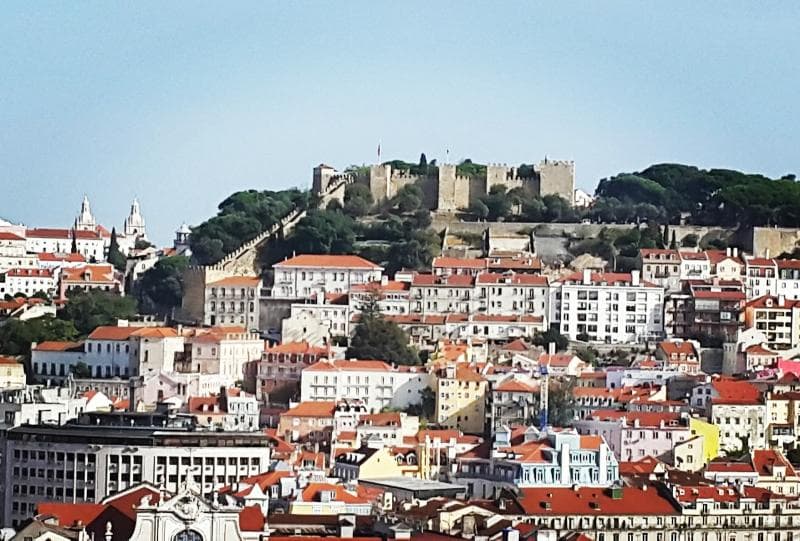
Uncover Lisbon's ancient past at the Museum within São Jorge Castle. Explore archaeological finds from 25 centuries of history in Lisbon, Portugal.
Overview
Within the historic walls of São Jorge Castle in Lisbon, Portugal, lies a captivating museum, known as the Núcleo Museológico do Castelo or Museum Centre, that offers a deep dive into the rich tapestry of the city's past. This small yet significant museum is nestled within the remains of the old Royal Palace of the Citadel. Far more than just a collection of artifacts, it serves as a chronicle of the diverse cultures and civilizations that have shaped Lisbon over millennia, from its earliest settlements to the 18th century. Visitors can explore objects unearthed from extensive archaeological excavations conducted within the castle's alcáçova area, providing tangible links to daily life across centuries.
The museum's thoughtfully curated exhibits shed light on various historical periods, with a particular emphasis on the fascinating Moorish occupation between the 11th and 12th centuries. It complements the visible archaeological site, offering context and insight into the structural remnants found on the castle grounds. Through its displays, the Museum at São Jorge Castle invites a journey through time, revealing the enduring legacy of those who walked these ancient grounds before us.
History & Cultural Background
The hill upon which São Jorge Castle proudly stands has been a strategic and inhabited site for an astonishing span of time, with human occupation dating back to at least the 8th century B.C. The museum's collection directly reflects this deep history, showcasing artifacts from the Phoenicians, Carthaginians, Romans, Visigoths, and later the Moors, who successively fortified and resided here. These early inhabitants laid the foundation for what would become modern Lisbon, transforming the landscape with their cultures, technologies, and daily lives.
Archaeological excavations, particularly those initiated in 1996, have been instrumental in unearthing the treasures now housed in the museum. These digs revealed remnants of Iron Age settlements, sophisticated Moorish residential areas, and even a 15th-century palace, all of which contribute to the museum's comprehensive narrative. The museum effectively bridges the gap between the physical ruins outside and the stories they hold, providing a cultural context that brings the castle's complex history to life.
What Makes It Special
What sets the Museum at São Jorge Castle apart is its direct connection to the very ground it occupies. Unlike many museums with collections gathered from disparate locations, this institution's exhibits are primarily composed of objects discovered right on the castle hill. This direct provenance creates a powerful sense of place, allowing visitors to view artifacts from communities that lived, worked, and built within these same walls over 25 centuries.
The museum is segmented into three distinct rooms, each focusing on a specific thematic area: 'The Castle and the City' (Ogival Room), 'The Islamic Castle' (Room of Columns), and 'Other Lives' (Cistern Room). The 'Islamic Castle' room, for instance, highlights objects from the Casbah of Lisbon (Al Ushbuna), offering a rare glimpse into the daily life and material culture of the Moorish period from the 11th to mid-12th centuries. This meticulous categorization helps illustrate the distinct layers of history that coexist on the site, making the past both accessible and deeply personal.
Stories, Fun Facts & Local Details
One compelling aspect of the museum's collection is its ability to tell stories of everyday existence. Among the archaeological finds are domestic items such as pottery, coins, and tools, offering insights into the livelihoods and interactions of ancient communities. For example, some artifacts reveal that populations from the 7th to 3rd centuries B.C. acquired goods from the Eastern Mediterranean through trade with the Phoenicians, including objects from Greece and North Africa. This illustrates Lisbon's long-standing role as a crossroads of cultures and trade.
The museum also displays architectural fragments and decorative elements, hinting at the grandeur of past structures, including the royal palace that once stood on the site but was severely damaged by the 1755 earthquake. These remnants, such as fragments of 17th-century faience and porcelain, speak to the wealth and tastes of the noble families who resided within the citadel. These smaller, more intimate details often resonate most with visitors, providing a human connection to the distant past.
Visitor Perspective
Visiting the Museum Centre provides a crucial layer of understanding to the broader experience of São Jorge Castle. While the panoramic views and ancient ramparts are undeniably impressive, the museum offers the context necessary to truly appreciate the castle's immense historical significance. It transforms the imposing stone structures into a living narrative, allowing curious travelers to connect with the people who built, defended, and lived within these walls.
Exploring the exhibits after wandering through the archaeological site allows for a more profound appreciation of both. Seeing the objects extracted from the very ground one has just walked creates a powerful, immersive experience. It is a place for reflection, for piecing together the fragmented narratives of Lisbon's origins, and for understanding the continuous thread of human endeavor that defines this iconic landmark.
Coordinates: -9.0801, 38.71389
View on Google Maps💬 How Travelers Describe This Place
Based on community votes
Beautiful
896Interesting
550Must See
95Photogenic
56Unique
28
Traveler Stories
Discover memorable experiences shared by travelers who have visited this place.
No traveler stories yet.
Be the first traveler to share what made this place memorable.

Tour
By
Spot
Discover amazing places around the world. Your journey starts here.
Explore
© 2026 TourBySpot. All rights reserved.