Museum Of Communication
Frankfurt, Germany
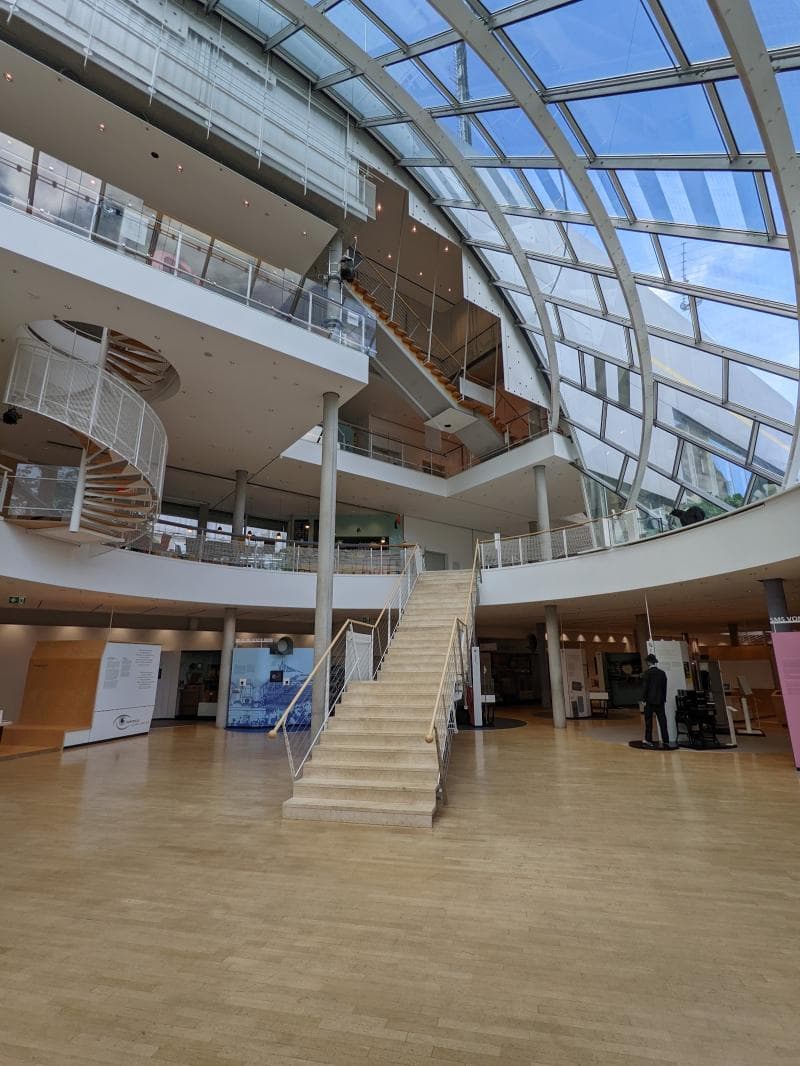
Explore the Museum of Communication in Frankfurt, Germany. Discover 6,000 years of communication history with interactive exhibits and unique artifacts.
Overview
Nestled along Frankfurt's picturesque Museumsufer, the Museum of Communication invites visitors on an enthralling journey through the vast landscape of human communication. This modern and architecturally striking museum, renowned for its transparent design, offers a comprehensive exploration of how we connect, from ancient symbols to the digital age. It's a place where history comes alive through interactive exhibits, making it a captivating destination for all ages. Located amidst a cluster of cultural institutions, it stands as a testament to humanity's enduring drive to share ideas and stories.
History & Cultural Background
The Museum of Communication has a rich heritage, tracing its origins back to 1958 when it first opened as the Bundespostmuseum, or National Postal Museum. It was one of the pioneering institutions that shaped Frankfurt's Museumsufer, the famous 'Museum Embankment' along the Main River. In 1990, the museum moved into its current award-winning building, a modern glass structure designed by architect Günter Behnisch, and was subsequently rebranded as the Museum of Communication. This transformation marked its evolution beyond postal services to encompass all forms of communication. Today, it is managed by the Museum Trust for Post and Telecommunications, ensuring its continued dedication to preserving and interpreting the history of communication for future generations.
What Makes It Special
What truly sets the Museum of Communication apart is its ability to blend historical depth with engaging interactivity. The building itself is a highlight, with its transparent and open architecture reflecting the very essence of communication – dialogue and constant change. Inside, the permanent exhibition, 'Mediengeschichte|n neu erzählt!' ('Media History(s) Retold Anew!'), spans 2,500 square meters and covers more than 6,000 years of communication history.
Visitors can delve into groundbreaking inventions, curious experiences, and unusual fates that shaped human interaction. The museum's approach is organized around four major themes: acceleration, networks, control, and participation, showing how these concepts have driven communicative evolution.
Beyond its main exhibits, the museum features unique attractions such as an art collection that includes a whimsical 'Telephone Sheep' sculpture made from old phones by Jean-Luc Cornec, and works by renowned artists like Salvador Dalí and Joseph Beuys, exploring communication through an artistic lens. There's also a radio station located on the museum's roof, which can be visited on selected occasions, offering a fascinating glimpse into broadcasting.
Stories, Fun Facts & Local Details
The Museum of Communication is a treasure trove of fascinating stories and fun facts. Imagine seeing an actual Enigma machine, the legendary device used for encryption during wartime, or reading telegrams dispatched from the Titanic. The museum proudly displays historic post coaches and even a Deutsche Post train car, illustrating the evolution of mail delivery. One particularly charming exhibit is the 'lobster phone,' an artistic piece that often sparks curiosity and smiles.
For families, the museum is exceptionally welcoming. Its children's workshop offers hands-on activities where young visitors can send secret messages via pneumatic tubes, try out rotary dial phones, or engage in printmaking. These interactive elements make learning about communication technology a playful adventure. The museum is also a popular spot for children's birthday parties, providing a unique and educational celebration venue.
Locally, the museum actively participates in Frankfurt's vibrant cultural scene. It's a favored stop during the annual 'Night of the Museums' and the 'Museum Riverbank Fest.' Furthermore, on the last Saturday of every month, the museum often participates in 'Satourday,' offering free admission and special programs for children and young people up to 18 years, making it an accessible cultural highlight.
Visitor Perspective
Visitors consistently praise the Museum of Communication for its engaging and interactive approach to a complex subject. Many find the hands-on displays highly enjoyable for all ages, allowing them to experience the evolution of communication firsthand. While the primary language for exhibit explanations is German, audio guides are typically available to ensure an enriching experience for international guests.
The museum's thoughtful design and diverse offerings, from ancient artifacts to discussions on artificial intelligence, leave visitors with a deeper understanding of how communication shapes our world. Its barrier-free access ensures that it's welcoming to a broad audience, fostering an inclusive environment for exploration and learning. The combination of historical context, technological innovation, and artistic interpretation makes for a memorable and thought-provoking visit to this Frankfurt gem.
Coordinates: 8.67579, 50.10445
View on Google Maps💬 How Travelers Describe This Place
Based on community votes
Beautiful
685Interesting
472Must See
446Unique
399Photogenic
92
Traveler Stories
Discover memorable experiences shared by travelers who have visited this place.
No traveler stories yet.
Be the first traveler to share what made this place memorable.

Tour
By
Spot
Discover amazing places around the world. Your journey starts here.
Explore
© 2026 TourBySpot. All rights reserved.