Museum Of Applied Arts
Frankfurt, Germany
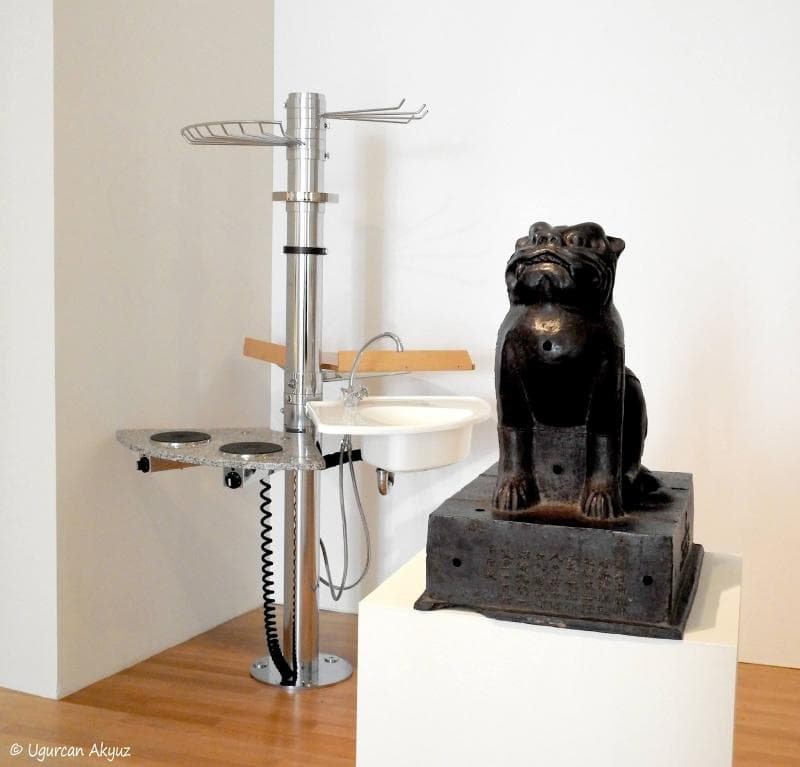
Explore the Museum of Applied Arts in Frankfurt, Germany, showcasing diverse collections of design, craft, and architecture. Discover its unique blend of history and contemporary vision.
Overview
Nestled along the picturesque Main River, as an integral part of Frankfurt's renowned Museumsufer (Museum Embankment), the Museum of Applied Arts, or Museum Angewandte Kunst (MAK), stands as a beacon of design, craft, and cultural expression. This architectural marvel, designed by the celebrated American architect Richard Meier, is more than just a repository of objects; it's a dynamic space that explores the evolving relationship between art, function, and daily life. It invites visitors on a journey through diverse cultures and centuries, showcasing how human creativity shapes our world, from the utilitarian to the exquisitely beautiful.
The museum's unique approach moves beyond traditional chronological displays, instead opting for thematic presentations that forge connections between historical artifacts and contemporary design. This thoughtful curation allows for a fresh perspective on applied art, highlighting its relevance across different eras and civilizations. Whether you're a design enthusiast, a history buff, or simply a curious traveler, the MAK offers an engaging and thought-provoking experience within the vibrant cultural landscape of Frankfurt.
History & Cultural Background
The origins of the Museum of Applied Arts trace back to 1877 with the founding of the Central German Kunstgewerbeverein (Arts and Crafts Association) by civic-minded Frankfurt citizens. This initiative led to the establishment of the present-day museum in 1881. Its initial focus was on fostering a connection between art, craftsmanship, and industry. The museum’s collection faced significant challenges, including damage during both World Wars, but its valuable pieces were meticulously preserved for future generations.
A pivotal moment in the museum's history was its move in 1967 into the historic Villa Metzler, a neoclassical summer house dating back to 1804. This beautiful villa, with its rich past, became the initial permanent home for the collection. In the 1980s, Frankfurt's Museumsufer initiative, spearheaded by cultural politician Hilmar Hoffmann, revitalized the city's museum landscape. As part of this ambitious project, Richard Meier was commissioned to design a new complex for the Museum of Applied Arts. The museum, integrating the historic Villa Metzler, reopened in 1985 and was further renovated and re-opened in 2013, solidifying its place as a cornerstone of Frankfurt's cultural mile.
What Makes It Special
The Museum of Applied Arts distinguishes itself through several remarkable features, beginning with its architectural brilliance. Richard Meier's design masterfully combines a modern, light-filled building with the historical charm of the 19th-century Villa Metzler. The new structure, an L-shaped complex of three 'cubes,' creates a harmonious ensemble with the surrounding park, offering stunning views and a sense of openness. This interplay of old and new architecture provides a unique backdrop for the diverse collections within.
Beyond its striking exterior, the museum's curatorial philosophy truly sets it apart. It deliberately eschews a strict chronological order, instead presenting objects thematically. This approach encourages visitors to explore the connections and dialogues between items from different cultures and periods, ranging from European handicrafts and Islamic art to East Asian treasures and contemporary design. The museum's vast collection, encompassing over 60,000 objects, delves into furniture, textiles, metalwork, glass, ceramics, book art, and graphics, offering a comprehensive look at the evolution of applied art and its impact on human lifestyles.
Stories, Fun Facts & Local Details
One of the museum's delightful 'fun facts' is the inclusion of an original 'Frankfurt Kitchen' in its collection. Designed by Margarete Schütte-Lihotzky in the 1920s, this pioneering example of modern, functional kitchen design revolutionized household efficiency and is a testament to the museum's commitment to showcasing objects that deeply influenced everyday life.
The integration of the historic Villa Metzler within Meier's contemporary design is a story in itself. The villa, originally a summer house for pharmacist Peter Salzwedel, then a banker's residence, and later a home for the elderly, now allows visitors to step back in time through its nine meticulously restored style rooms. These rooms vividly portray historical domestic culture from the Baroque to Art Nouveau, offering a tangible link to past ways of living.
The museum's surrounding Metzler Park is another hidden gem. This green oasis, home to rare trees and plants, provides a tranquil escape and beautifully complements the museum complex. It's a testament to the thoughtful planning that went into creating this cultural space, making it not just a place for art appreciation but also a serene urban retreat.
Visitor Perspective
Visiting the Museum of Applied Arts is an immersive experience where the architecture itself plays a significant role in the visitor's journey. Richard Meier's design, characterized by its abundant natural light and open, flowing spaces, creates an inviting and contemplative atmosphere. The bright, near-neutral exhibition rooms ensure that the diverse collection pieces truly take center stage, allowing visitors to engage deeply with each object.
The museum encourages an interactive approach to learning, offering public guided tours led by expert guides or curators. These tours are designed to be engaging, inviting visitors to reflect on how applied art speaks to their own experiences and memories. For those who prefer a more personal experience, private tours can be arranged in English or French. The museum's commitment to accessibility is evident through its provision of lockers and free admission for children and young people under 18, making it an ideal destination for families. After exploring the extensive collections, visitors can unwind at the museum bistro, which offers panoramic views of the Metzler Park, providing a moment of reflection amidst the beauty of art and nature.
Coordinates: 8.68139, 50.10639
View on Google Maps💬 How Travelers Describe This Place
Based on community votes
Interesting
879Photogenic
741Beautiful
482Unique
396Must See
274
Traveler Stories
Discover memorable experiences shared by travelers who have visited this place.
No traveler stories yet.
Be the first traveler to share what made this place memorable.

Tour
By
Spot
Discover amazing places around the world. Your journey starts here.
Explore
© 2026 TourBySpot. All rights reserved.