Museum exhibits
Osaka, Japan
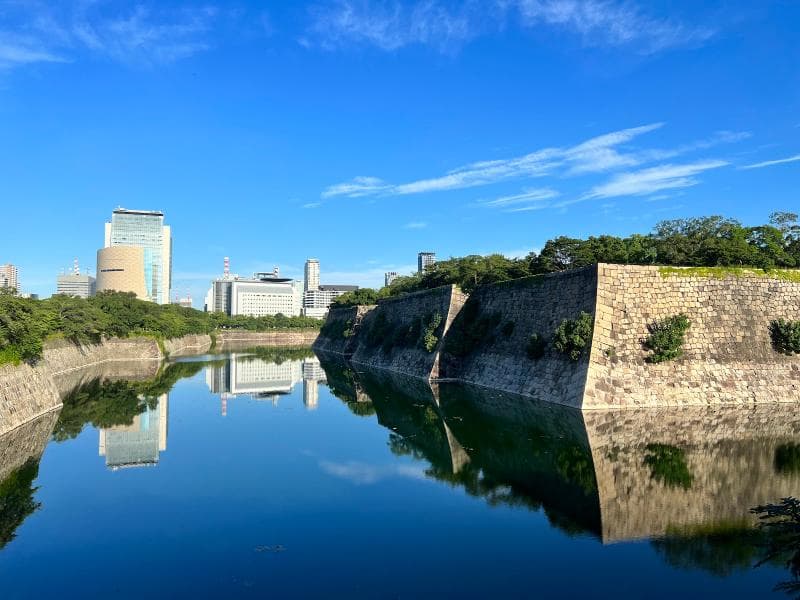
Explore the Osaka Castle Museum in Osaka, Japan, delving into feudal history, samurai artifacts, and panoramic city views from its observation deck.
Overview
Stepping inside Osaka Castle reveals a fascinating world within its walls: the Osaka Castle Museum. Far from being merely a historical shell, the castle's interior houses a comprehensive museum dedicated to the rich and often turbulent history of the castle itself, and the pivotal role it played in Japan's unification. Though the exterior facade displays five stories, the museum spans eight floors, each meticulously designed to bring the past to life. The current main keep, a prominent symbol of Osaka, is a concrete reconstruction from 1931, thoughtfully designed to echo its historical grandeur. Visitors can delve into various exhibits, explore historical artifacts, and gain insights into the life and legacy of Toyotomi Hideyoshi, the powerful warlord who initiated the castle's construction.
The museum is designed to be accessible, offering a barrier-free experience with elevators available for visitors, including those with mobility restrictions. The journey through the museum culminates on the eighth floor, which boasts a spectacular 360-degree observation deck, providing panoramic views of Osaka's sprawling cityscape, the surrounding park, and the castle's impressive stone walls and moats.
History & Cultural Background
The story of Osaka Castle begins in 1583 when Toyotomi Hideyoshi, often referred to as the 'Napoleon of Japan,' commenced its construction. His ambition was to create an impregnable fortress that would serve as the center of a unified Japan. Over its long and storied existence, Osaka Castle has been a silent witness to numerous conflicts, enduring cycles of destruction and reconstruction. The site itself holds deeper historical layers, having previously been the location of Ishiyama Hongan-ji, a powerful monastic complex that was eventually yielded to Oda Nobunaga.
The museum's exhibits meticulously trace the footsteps of key historical figures like Hideyoshi and Tokugawa Ieyasu, who were instrumental in shaping Japan's transition from the Warring States period to the relative stability of the Edo era. Visitors can explore the castle's dramatic past through displays that bring these historical events to life.
What Makes It Special
The Osaka Castle Museum distinguishes itself through its extensive collection and engaging presentation. It houses over 10,000 historical artifacts, offering a tangible connection to feudal Japan. The exhibits include samurai armor, ancient weaponry, and historical documents, providing a deep dive into the era. Interactive displays and multimedia presentations are strategically incorporated to make the complex history more accessible and immersive for all ages.
A unique feature on the second floor allows visitors to experience Japanese culture firsthand by trying on helmets, 'jinbaori' (a type of samurai vest), and kimonos, perfect for memorable photos. The museum also features scale models and reconstructions of the castle from different periods, offering a clear understanding of its architectural evolution. The exhibits on the third and fourth floors, focusing on important historical materials from the Warring States period, are regularly rotated every two months to ensure the preservation of artifacts and to offer new insights to returning visitors.
Stories, Fun Facts & Local Details
One of the most captivating aspects of the Osaka Castle Museum is how it tells the story of Toyotomi Hideyoshi's grand vision. The exhibits vividly portray his ambition to unify Japan, with dioramas and folding screens illustrating pivotal moments, such as the dramatic 'Summer War in Osaka' battle scenes. These detailed miniature models, complete with vibrantly arranged figures, recreate the intensity of past conflicts. A fun fact often shared about the three great unifiers of Japan – Oda Nobunaga, Toyotomi Hideyoshi, and Tokugawa Ieyasu – uses a bird analogy: 'If a bird doesn't sing, kill it' (Nobunaga), 'If a bird doesn't sing, make it sing' (Hideyoshi), and 'If a bird doesn't sing, wait for it to sing' (Ieyasu), highlighting their distinct leadership styles.
Even the castle's exterior provides a glimpse into its symbolic importance; the white walls are adorned with green roof tiles, and each upturned eave tip features gold-leaf tigers and golden 'shachihoko' (mythical creatures with tiger heads and fish bodies), creating a truly magnificent sight. These details reflect the opulent taste of Hideyoshi and the era in which the castle was built.
Visitor Perspective
Upon entering, a small movie theater on the first floor offers a series of programs about Toyotomi Hideyoshi and Osaka Castle, providing an excellent introduction to your visit. The second floor introduces basic facts about Osaka Castle and other Japanese castles, setting the historical stage. Floors three and four delve deeper into the Warring States period with historical artifacts and documents, though photography is generally prohibited here to protect the delicate exhibits. The fifth floor features impressive folding screen paintings and miniature models depicting the 'Summer Battle of Osaka,' accompanied by video screens that explain the narrative of each scene.
The journey continues to the seventh floor, where 'The scenic Taikoki,' a diorama, showcases 19 scenes illustrating the life of Toyotomi Hideyoshi, enhanced with high-tech imagery. Finally, the eighth floor's observation deck is a major highlight, offering breathtaking, expansive views that underscore the castle's strategic dominance and provide a memorable end to the museum experience. An audio guide is also available for free rental on the first floor, enhancing the self-guided exploration.
Coordinates: 135.52596, 34.68729
View on Google Maps💬 How Travelers Describe This Place
Based on community votes
Beautiful
1.0kPhotogenic
563Must See
309Unique
100Interesting
63
Traveler Stories
Discover memorable experiences shared by travelers who have visited this place.
No traveler stories yet.
Be the first traveler to share what made this place memorable.

Tour
By
Spot
Discover amazing places around the world. Your journey starts here.
Explore
© 2026 TourBySpot. All rights reserved.