Museum Exhibits
Dubrovnik, Croatia
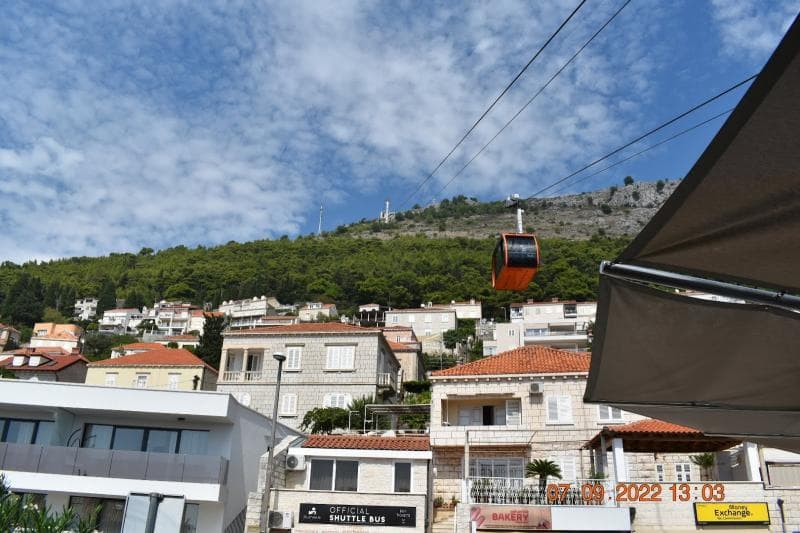
Discover the Museum of the Croatian War of Independence at Fort Imperial, Srđ Hill, Dubrovnik, Croatia. Explore wartime history via the Cable Car.
Overview
Perched majestically atop Srđ Hill, accessible via the scenic Dubrovnik Cable Car, visitors will discover the Museum of the Croatian War of Independence. This poignant museum, often referred to as the Homeland War Museum, offers a deeply moving and essential journey into Dubrovnik's recent, tumultuous past. Housed within the historic Fort Imperial, it chronicles the harrowing events of the 1991-1995 Croatian War of Independence, with a particular focus on the devastating Siege of Dubrovnik. While the cable car ride offers breathtaking panoramic views of the Adriatic, the museum provides a vital historical counterpoint, revealing the resilience and sacrifices made by the city and its people.
The museum serves as a powerful reminder that the idyllic beauty of Dubrovnik belies a challenging history. It provides a detailed narrative through a compelling collection of artifacts, photographs, and personal accounts, transforming the visit from a mere sightseeing opportunity into an educational and emotional experience.
History & Cultural Background
The story of the museum begins with its location: Fort Imperial. This fortress was originally built by the French during the Napoleonic era in the early 19th century, specifically in 1812, making it a structure with a long defensive history. Strategically positioned on Srđ Hill, it offered a commanding view over Dubrovnik and the surrounding region.
However, the fort gained its most profound significance during the Croatian War of Independence from 1991 to 1995. During this conflict, Fort Imperial became a crucial defensive point and a symbol of resistance for Dubrovnik. It housed the command headquarters of the 163rd Dubrovnik Brigade of the Croatian Army and was directly attacked during the war. The museum itself was founded in 2003, expanding from the Museum of Contemporary History, to specifically document and commemorate the Homeland War. It tells the story of the Serbian-Montenegrin aggression in 1991, the successful liberation actions of the Croatian Army, and the immense suffering endured by civilians, their homes, and cultural monuments during the siege.
What Makes It Special
What truly sets the Museum of the Croatian War of Independence apart is its unique blend of solemn historical narrative and its location offering unparalleled views. Visitors are not merely viewing history from a distance; they are standing on the very ground where it unfolded. The museum features an array of authentic artifacts, including uniforms, weapons, mines, explosive devices, war maps, commands, and parts of military equipment.
Beyond the material objects, the museum integrates powerful photographic documentation, poignant video footage, and personal testimonies from both civilians and defenders. These raw, unfiltered accounts lend a deeply personal dimension to the conflict, making the historical narrative incredibly impactful. The stark contrast between the grim subject matter inside the fort and the breathtaking panoramic views of the Adriatic Sea and Dubrovnik's Old City from the fort's terrace creates a profound and reflective experience, reminding visitors of what was fought for and what was nearly lost.
Stories, Fun Facts & Local Details
Among the approximately 500 showpieces from the 1991-1995 period, you will find incredibly poignant items such as the original flag that waved on Srđ in 1991, war log books, and detailed minefield maps. The exhibits are organized around four main themes, offering a comprehensive look from the fall of the Dubrovnik Republic and the history of Fort Imperial, to the aggression itself, the days of victory, and the suffering of the local population and its heritage.
An interesting detail connecting the museum to the cable car is that the original Dubrovnik Cable Car, established in 1969, was severely damaged during the 1991 war and ceased operations. It was only after a significant restoration that it reopened in 2010, symbolizing a return to normalcy and connecting the city to this vital historical site once again. The museum aims to give visitors a detailed insight into the aggression on Dubrovnik and provoke reflection on why such events occurred.
Visitor Perspective
The journey to the Museum of the Croatian War of Independence begins with the iconic Dubrovnik Cable Car, a spectacular ride that sweeps you up Mount Srđ in just about 3.5 to 4 minutes. As the cable car ascends, the terracotta rooftops of the Old Town shrink below, revealing a breathtaking panorama of the city, the crystal-clear Adriatic Sea, and the scattered Elaphiti Islands.
Upon reaching the upper station, a short walk leads to Fort Imperial and the museum. This combination of a stunning visual experience with a powerful historical narrative offers a truly unique perspective on Dubrovnik. It allows visitors to appreciate the city's enduring beauty while gaining a deep understanding of the resilience and courage that defined its recent past. The museum is a sobering, yet essential, complement to the otherwise picturesque views, ensuring that the sacrifices made are not forgotten and offering a profound connection to the spirit of Dubrovnik.
Coordinates: 18.0944, 42.6507
View on Google Maps💬 How Travelers Describe This Place
Based on community votes
Photogenic
826Unique
800Must See
589Interesting
387Beautiful
90
Traveler Stories
Discover memorable experiences shared by travelers who have visited this place.
No traveler stories yet.
Be the first traveler to share what made this place memorable.

Tour
By
Spot
Discover amazing places around the world. Your journey starts here.
Explore
© 2026 TourBySpot. All rights reserved.