MUSA
Cancún, Mexico
Overview
Deep beneath the turquoise waters of the Mexican Caribbean, nestled between Isla Mujeres and Cancún, lies a truly extraordinary destination: the Museo Subacuático de Arte, widely known as MUSA. This innovative underwater museum is not merely an art exhibit; it's a vibrant, living testament to the harmonious blend of human creativity and marine conservation. Envisioned as an artificial reef, MUSA invites visitors into an ethereal realm where over 500 life-sized sculptures serve as a crucial habitat for marine life, constantly evolving under the ocean's gentle currents.
Visiting MUSA offers a unique opportunity to witness art transforming into nature, providing a breathtaking spectacle for adventurers seeking both cultural enrichment and ecological marvels. It stands as a powerful symbol of hope for our oceans, showcasing how human ingenuity can actively contribute to the health and biodiversity of fragile ecosystems.
History & Cultural Background
The genesis of MUSA dates back to 2009, born from a pressing environmental concern. The stunning natural coral reefs surrounding Cancún and Isla Mujeres, already under immense pressure from climate change and hurricane damage, were further strained by the increasing influx of tourists. Dr. Jaime González Cano, then Director of the National Marine Park, alongside Roberto Díaz Abraham, President of the Cancún Nautical Association, conceived a brilliant solution: create an alternative underwater attraction to divert visitors and allow the natural reefs a chance to recover.
They enlisted the visionary British sculptor Jason deCaires Taylor, renowned for his environmentally conscious underwater installations. Taylor, collaborating with five talented Mexican sculptors, embarked on the ambitious project of populating the seabed with art that would paradoxically encourage life. The sculptures were meticulously crafted from specialized, pH-neutral marine concrete designed to foster coral growth, effectively turning art into a foundation for a new, flourishing ecosystem.
What Makes It Special
What sets MUSA apart is its profound dual purpose: it is both a captivating art gallery and a thriving artificial reef. Each of the more than 500 sculptures is not static but rather an evolving canvas, progressively adorned with corals, algae, and other marine organisms. This transformation means no two visits are ever quite the same; the art itself is alive and constantly changing.
The museum is strategically divided into two main galleries to accommodate different visitor experiences. The Manchones Reef gallery, situated at a depth of 8-10 meters, is primarily for scuba divers, offering an immersive journey through larger installations. The shallower Punta Nizuc gallery, at around 4 meters deep, is ideal for snorkelers, allowing them to observe the sculptures from closer to the surface. This thoughtful design ensures accessibility while maximizing the conservation impact, drawing attention away from natural reef systems.
Stories, Fun Facts & Local Details
Among MUSA's most iconic pieces is 'The Silent Evolution,' a monumental work comprising over 400 individual human figures. This powerful collection represents the local community, with many figures cast from the actual residents of the nearby fishing village of Puerto Morelos, symbolizing humanity's collective defense of the ocean.
Other compelling sculptures include 'Man on Fire,' which highlights environmental issues, and 'The Dream Collector,' featuring hundreds of bottles containing messages from around the world, offering a poignant reflection on our shared future. One particularly fascinating piece is a full-sized Volkswagen Beetle, designed with a hollow interior to provide a safe haven for lobsters, crabs, and other crustaceans, showcasing how art directly creates homes for marine life.
The placement of these sculptures was even timed to coincide with lunar coral spawning, a testament to the scientific precision underlying this artistic endeavor. This foresight helps ensure that new coral larvae can settle and thrive on the sculptures, accelerating the formation of new habitats.
Visitor Perspective
Experiencing MUSA is an adventure tailored to various preferences and skill levels. For those eager to delve deeper, scuba diving tours offer an unparalleled close-up encounter with the sculptures, allowing divers to appreciate the intricate details and the flourishing marine life that has colonized them. Non-certified individuals can often partake in 'discovery dives' with professional guidance.
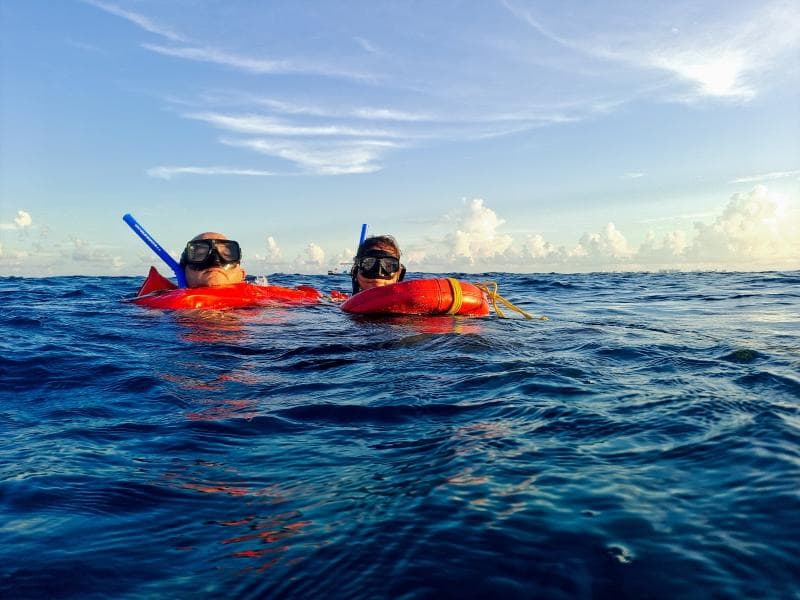
Snorkeling provides an equally mesmerizing experience, especially in the shallower Punta Nizuc section, where the vibrant colors of fish darting around the sculptures are easily visible through the exceptionally clear waters. For visitors who prefer to stay dry, glass-bottom boat tours offer a comfortable way to admire the underwater wonders from above.
The ideal time to visit MUSA is typically between November and April, when the weather is sunny, and the calm, clear waters offer excellent visibility, often extending up to 30 meters. This ensures the best possible views of this living, breathing underwater museum, making your journey into this submerged world truly unforgettable.
Coordinates: -86.7357, 21.1608
View on Google Maps💬 How Travelers Describe This Place
Based on community votes
Unique
951Must See
748Interesting
491Beautiful
427Photogenic
414
Traveler Stories
Discover memorable experiences shared by travelers who have visited this place.
No traveler stories yet.
Be the first traveler to share what made this place memorable.

Tour
By
Spot
Discover amazing places around the world. Your journey starts here.
Explore
© 2026 TourBySpot. All rights reserved.