Mtatsminda Park
Tbilisi, Georgia
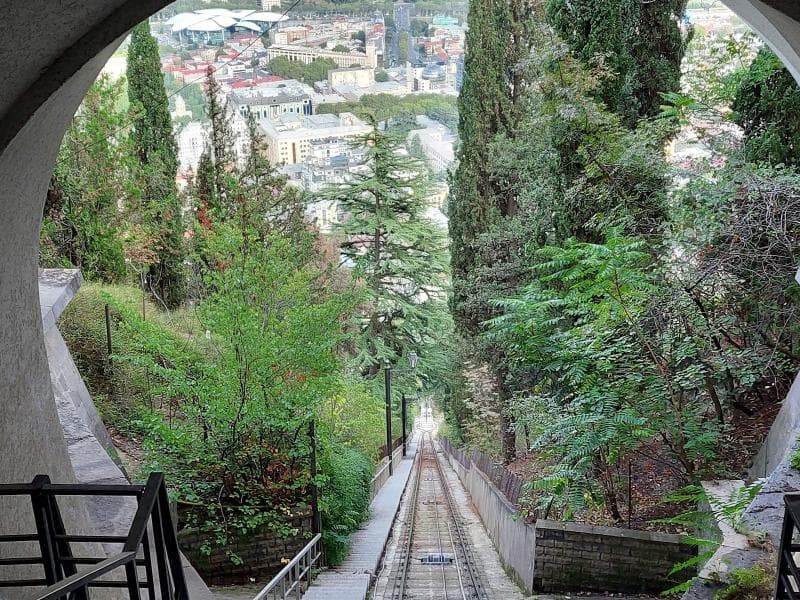
Discover Mtatsminda Park in Tbilisi, Georgia, for panoramic city views, a historic funicular, thrilling rides, and cultural insights.
Overview
Perched majestically atop Mount Mtatsminda, Mtatsminda Park offers an enchanting escape in Tbilisi, Georgia. This expansive amusement and leisure park, situated at an altitude of approximately 770 meters, provides visitors with unparalleled panoramic vistas of the Georgian capital and the picturesque Mtkvari River below. Spanning over 100 hectares, it is a prominent landmark, easily recognized by its towering Ferris wheel and the adjacent Tbilisi TV Tower. The park seamlessly blends natural beauty with thrilling attractions, making it a beloved destination for both locals and travelers seeking both excitement and tranquility.
Accessibility is a key part of its allure, primarily via the historic Tbilisi Funicular or a scenic cable car, both of which offer breathtaking views during the ascent. Once inside, guests discover a diverse landscape featuring lush greenery, fountains, and a variety of entertainment options. Mtatsminda Park is not merely an amusement park; it's a cultural icon, offering a unique perspective on Tbilisi's vibrant urban sprawl and surrounding landscapes.
History & Cultural Background
The name 'Mtatsminda' itself carries significant cultural weight, translating to 'Holy Mountain' – a reference to Mount Athos in Greece, reflecting Georgia's deep-rooted Christian traditions. The idea of establishing a significant site on this mountain emerged in the late 19th century. The park, as it is largely known today, was founded by the Soviet government in the 1930s and quickly rose to prominence, becoming noted as the third most visited public park in the USSR.
Integral to the park's history is the Tbilisi Funicular, an engineering marvel constructed over a century ago, opening its doors in 1905. This railway has served as a primary conduit to the mountaintop, playing a crucial role in the park's development and popularity. While the Funicular underwent significant renovations and reopened in 2012, its historical essence remains. Adjacent to the park, on the slopes of Mtatsminda, lies the revered Mtatsminda Pantheon of Writers and Public Figures. Established in 1929, this necropolis is the final resting place for many of Georgia's most distinguished literary figures, artists, and national heroes, including the Russian author Alexander Griboyedov, adding a layer of profound historical and cultural significance to the area.
What Makes It Special
What truly sets Mtatsminda Park apart is its harmonious combination of breathtaking natural panoramas and exhilarating entertainment. The ultimate highlight for many is the iconic Ferris wheel, which stands 65 meters high at the mountain's edge. A single revolution on this giant wheel takes 10 to 12 minutes, offering an extended, slowly unfolding spectacle of Tbilisi's cityscape, particularly mesmerizing at sunset or when the city lights twinkle below.
The journey to the park is an attraction in itself. Riding the historic Funicular offers not just transportation but a memorable experience with stunning views throughout the ascent. For those seeking more adrenaline, the park features a variety of rides, including carousels, water slides, and roller coasters, catering to all ages. It is intelligently divided into three distinct zones—extreme, children's, and family—ensuring there's something for every visitor. The 'Ghost Castle,' a dark ride featuring horror scenes, adds a unique, spooky flair to the entertainment options.
Stories, Fun Facts & Local Details
Beyond the rides, Mtatsminda holds numerous intriguing stories and local touches. The mountain's name, 'Holy Mountain,' echoes ancient traditions, linking Tbilisi to sacred sites across the globe. The Mtatsminda Pantheon, established in 1929, was created to honor Georgia's luminaries, with the Russian author Alexander Griboyedov being one of the first and most notable interments. This site serves as a profound symbol of Georgia's collective identity and its rich intellectual heritage.
Historically, the park was sometimes affectionately known as 'Bombora' by locals. Another charming detail is the Funicular restaurant, located at the mid-station, renowned for its delectable 'ponchiki' (traditional Georgian donuts). This eatery has hosted an array of distinguished guests over the years, including prominent figures like Fidel Castro and Margaret Thatcher, adding a touch of international intrigue to its local charm. The impressive Tbilisi TV Tower, an unmistakable beacon, stands tall on the mountain, further solidifying Mtatsminda's status as a city icon.
Visitor Perspective
From a visitor's standpoint, Mtatsminda Park offers an incredibly rewarding experience. The ascent, whether by the iconic Funicular or the newer cable car from Rustaveli Avenue, is the beginning of the adventure, presenting continually expanding views of Tbilisi. Entrance to the park itself is free, allowing anyone to enjoy the serene environment, walking paths, and numerous observation decks without charge. Separate tickets are required for individual rides and attractions, providing flexibility for different interests and budgets.
It is an ideal destination for families, couples, or solo travelers looking to immerse themselves in a blend of nature, culture, and entertainment. Many visitors find the experience of riding the Ferris wheel or simply strolling through the landscaped grounds at dusk particularly magical, as the city transforms into a twinkling tapestry of lights. With cafes, restaurants, and plenty of shaded areas, it's a perfect spot to relax, enjoy a meal, and capture unforgettable memories against the stunning backdrop of Tbilisi.
Coordinates: 44.789164, 41.695004
View on Google Maps💬 How Travelers Describe This Place
Based on community votes
Interesting
958Unique
794Beautiful
571Must See
546Photogenic
157
Traveler Stories
Discover memorable experiences shared by travelers who have visited this place.
No traveler stories yet.
Be the first traveler to share what made this place memorable.
Things to see at Mtatsminda Park



Tour
By
Spot
Discover amazing places around the world. Your journey starts here.
Explore
© 2026 TourBySpot. All rights reserved.