Mount Srđ Summit
Dubrovnik, Croatia
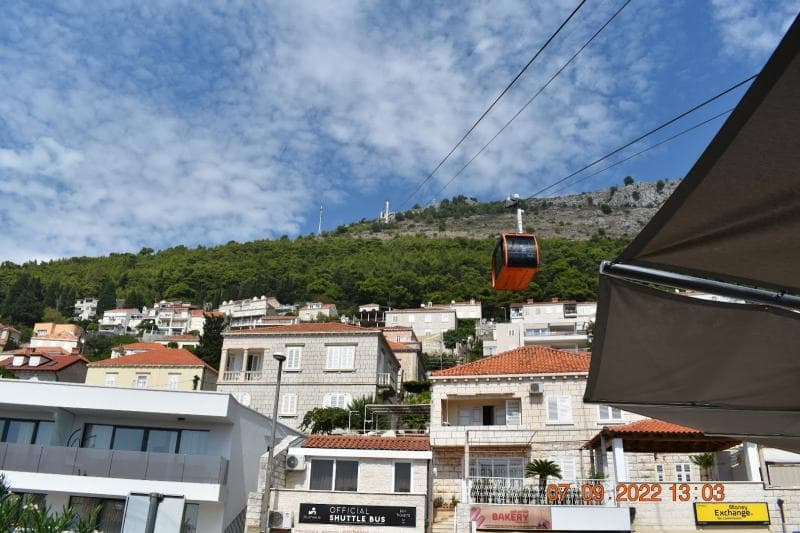
Discover Mount Srđ Summit in Dubrovnik, Croatia, for breathtaking panoramic views of the Old City, Adriatic Sea, and islands. Explore historic Fort Imperial and its war museum.
Overview
Dominating the skyline behind the ancient city walls, Mount Srđ Summit in Dubrovnik, Croatia, stands as a captivating natural landmark. Rising to an elevation of 412 meters (1,352 feet) above the Adriatic Sea, it offers unparalleled panoramic views that stretch across Dubrovnik’s terracotta rooftops, the shimmering coastline, and the scattered islands of the Adriatic. Easily accessible, primarily via the scenic Dubrovnik Cable Car, the summit provides both a breathtaking vista and a profound historical experience, blending natural beauty with stories of resilience and heritage.
History & Cultural Background
The history of Mount Srđ is deeply intertwined with that of Dubrovnik itself. The mountain, part of the Dinaric Alps, played a crucial strategic role throughout centuries, providing natural protection to the walled city. Its most prominent historical structure is Fort Imperial, an imposing defensive fortress built by French forces between 1806 and 1812 during the Napoleonic Wars. This fort was strategically placed to control the high ground above the city.
However, the fort's most poignant chapter unfolded much later, during the Croatian War of Independence (1991-1995). Mount Srđ became a critical frontline command post and a symbol of Dubrovnik's resistance during the brutal Siege of Dubrovnik. Croatian defenders bravely held the fort against intense attacks, making it a powerful testament to the city's unwavering spirit. Today, Fort Imperial houses the Museum of the Croatian War of Independence, offering a sobering and direct account of the conflict through photographs, documents, weapons, and personal narratives.
Another significant cultural landmark at the summit is the large White Cross. Originally destroyed during the 1991-95 war, it was rebuilt and now stands as a quiet memorial to those who lost their lives defending the city. This cross, made of luminous white stone from the nearby island of Brač, also marks the culmination of the 'Way of the Cross' pilgrimage route for hikers.
Interestingly, the name 'Dubrovnik' itself has roots in Mount Srđ. The mountain was once forested with low oak trees, which locals called 'dubrava' (from the old Slavic word 'dub' meaning 'oak tree'), lending its name to the city below.
What Makes It Special
What truly sets Mount Srđ Summit apart is the extraordinary panoramic spectacle it offers. From its elevated position, visitors are treated to an expansive 360-degree vista that is simply unmatched. The iconic red-tiled roofs of Dubrovnik's Old City spread out like a meticulously crafted miniature below, encircled by its formidable ancient walls. Beyond the city, the deep azure of the Adriatic Sea stretches to the horizon, dotted with the lush green islands of Lokrum, Koločep, Lopud, and Šipan, clearly visible on clear days.
This viewpoint provides a unique perspective on Dubrovnik's urban layout and its harmonious integration with the natural coastal landscape. The dramatic contrast between the historic architecture and the surrounding sea and islands is a photographer's dream and a contemplative traveler's delight. Furthermore, the presence of Fort Imperial and the Museum of the Croatian War of Independence transforms a simple scenic overlook into a site of deep historical reflection, offering a profound understanding of the city's past struggles and triumphs.
Stories, Fun Facts & Local Details
Beyond the sweeping views and historical landmarks, Mount Srđ holds several interesting layers of local lore and details. The very origin of Dubrovnik's name, derived from the 'dubrava' or oak forests that once densely covered Mount Srđ's slopes, provides a charming connection between the city and its natural backdrop.
The Dubrovnik Cable Car itself carries a story of resilience. First opened in 1969, it quickly became a beloved way to ascend the mountain. However, it was tragically destroyed during the Croatian War of Independence in 1991, mirroring the city's own suffering. Its triumphant reopening in 2010 not only restored a popular tourist attraction but also symbolized Dubrovnik's rebirth and recovery.
For those who choose to hike Mount Srđ, the path is lined with fourteen Stations of the Cross, a significant detail for religious pilgrims. These stations guide hikers up the mountain towards the White Cross, particularly important during religious celebrations. This adds a spiritual dimension to the physical journey, making the ascent more than just a hike, but a pilgrimage for many.
Visitor Perspective
A journey to Mount Srđ Summit is often considered an essential part of the Dubrovnik experience. The most popular way to reach the top is by taking the Dubrovnik Cable Car, which offers a quick and exhilarating ride with increasingly spectacular views as you ascend. The journey itself is an experience, transitioning from the bustling city below to the serene heights above in just a few minutes.
Alternatively, adventurous visitors can hike up the mountain, following well-marked paths that wind through the natural terrain. While more strenuous, hiking offers a deeper connection to the landscape and the spiritual journey marked by the Stations of the Cross.
Once at the summit, the primary draw is, of course, the expansive observation decks providing unobstructed views. Visitors can spend time taking photographs, simply soaking in the beauty, or enjoying refreshments at the on-site restaurant and café, which boast legendary views. The Museum of the Croatian War of Independence within Fort Imperial provides a crucial historical context, allowing visitors to appreciate the peace and beauty of today in light of past struggles. Whether arriving by cable car or on foot, the summit of Mount Srđ offers a profound perspective on Dubrovnik, a blend of awe-inspiring natural beauty, deep history, and a resilient spirit.
Coordinates: 18.11, 42.65
View on Google Maps💬 How Travelers Describe This Place
Based on community votes
Photogenic
692Beautiful
674Must See
503Interesting
261Unique
49
Traveler Stories
Discover memorable experiences shared by travelers who have visited this place.
No traveler stories yet.
Be the first traveler to share what made this place memorable.

Tour
By
Spot
Discover amazing places around the world. Your journey starts here.
Explore
© 2026 TourBySpot. All rights reserved.