Mount Dajti National Park
Tirana, Albania
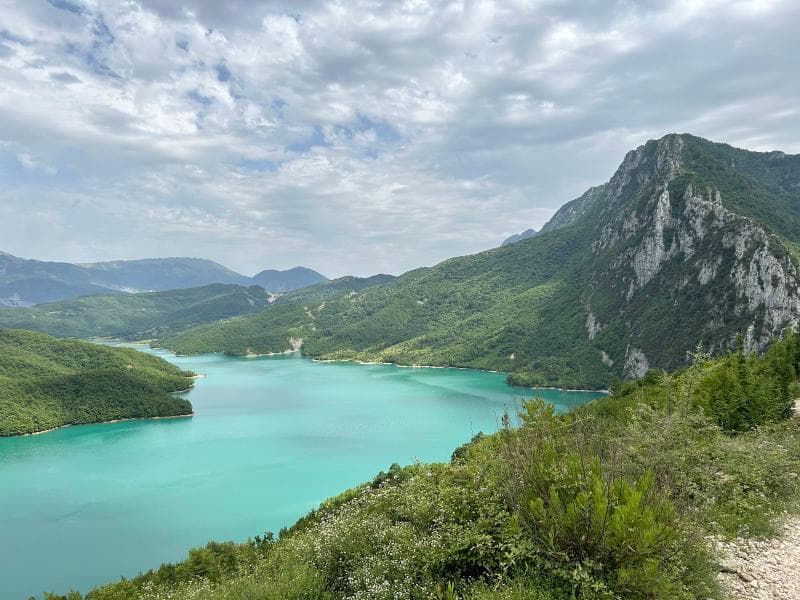
Explore Mount Dajti National Park in Tirana, Albania. Ride the Dajti Ekspres cable car for panoramic views, hike diverse trails, and discover unique flora and fauna in this natural escape.
Overview
Mount Dajti National Park, often affectionately known as Tirana's 'natural balcony', offers a refreshing escape from the bustling Albanian capital. Situated just 26 kilometers east of Tirana, this expansive park spans approximately 29,384 hectares, though its core protection area started smaller and expanded over time. It is a prominent protected area in central Albania, encompassing the rugged Dajti Mountain range which is part of the larger Skanderbeg Mountains. The park's most iconic feature for many visitors is the Dajti Ekspres, the longest cable car in the Balkans, which provides effortless access to the mountain's upper reaches and stunning panoramic views.
History & Cultural Background
The history of Mount Dajti National Park is deeply intertwined with Albania's efforts in environmental preservation and its people's connection to nature. The mountain was initially protected in 1960, reflecting early environmental consciousness during the communist era. It was officially established as a national park in 1966, making it one of Albania's oldest protected areas. Historically, the area held significance as aristocratic hunting grounds during the Ottoman Empire. Beyond its natural allure, the region surrounding Mount Dajti also bears traces of ancient human activity, with archaeological evidence pointing to Illyrian settlements from prehistoric times, and influences from Roman, Byzantine, and later Ottoman periods. For generations, Mount Dajti has served as a beloved recreational retreat for the residents of Tirana, offering a natural sanctuary from city life.
What Makes It Special
Mount Dajti National Park is a jewel of biodiversity and geological diversity, a feature that truly sets it apart. Its varied geology and topography, including deep river valleys, high sheer rock faces, and mountainous terrain, create a rich mosaic of ecosystems. The park is a haven for an impressive array of flora, boasting around 991 vascular plant species, with four of them being endemic to the region. Visitors can explore Mediterranean scrublands with evergreen plants, oak forests at mid-elevations, and beech and maple forests at higher altitudes. The fauna is equally rich, with wildlife including wild boar, Eurasian wolf, red fox, European hare, brown bear, squirrel, and European wildcat. It is also home to numerous bird, reptile, and amphibian species. The International Union for Conservation of Nature (IUCN) has classified the park as Category II, recognizing its importance for conservation, and Plantlife has acknowledged it as an Important Plant Area.
Stories, Fun Facts & Local Details
Mount Dajti is affectionately known as the 'lung of Tirana' and the 'Balcony of Tirana' due to its lush greenery and the breathtaking panoramic views it offers over the city, the surrounding plains, and even the Adriatic Sea on clear days. The Dajti Ekspres cable car, an Austrian-built marvel, is a fun fact in itself, being the longest cable car in the Balkans, stretching approximately 4.7 kilometers and offering a 15-minute scenic journey over forests and rural dwellings. At the 'Plain of Dajti' (Fusha e Dajtit), you'll find traditional restaurants that uphold 'slow food' traditions, allowing visitors to savor local Albanian dishes in a setting that cherishes culinary heritage. Interestingly, the summit area also hosts radio and television broadcasting systems. The park's varied terrain even includes features like Lake Bovilla, one of Tirana's main water sources, and the prehistoric Pellumbas Cave within the Skorana Gorge.
Visitor Perspective
Accessing Mount Dajti National Park is remarkably convenient, particularly via the Dajti Ekspres cable car from the eastern edge of Tirana, making it an ideal day trip destination. The 15-minute cable car ride itself is a highlight, transforming the cityscape below into a miniature panorama as you ascend into the fresh mountain air. Once at the upper station, visitors are greeted with a range of activities. You can embark on various hiking trails, ranging from leisurely walks to more challenging treks through oak and beech forests. For families and adventure seekers, there's the Dajti Adventure Park offering activities like zip-lining and rope bridges, as well as mini-golf. Dining with a view is a popular pastime, with several restaurants, including the Dajti Tower and Ballkoni i Dajtit, providing delicious local cuisine alongside spectacular vistas of Tirana. Whether seeking tranquility, outdoor adventure, or simply a magnificent view, Mount Dajti National Park offers a memorable experience for all. The park is enjoyable throughout the year; while summers are lush and green, winters can bring snow, transforming the landscape into a different kind of wonderland.
Coordinates: 19.9120412, 41.3607092
View on Google Maps💬 How Travelers Describe This Place
Based on community votes
Beautiful
853Interesting
639Photogenic
569Must See
190Unique
93
Traveler Stories
Discover memorable experiences shared by travelers who have visited this place.
No traveler stories yet.
Be the first traveler to share what made this place memorable.

Tour
By
Spot
Discover amazing places around the world. Your journey starts here.
Explore
© 2026 TourBySpot. All rights reserved.