Mother Teresa Memorials
Pristina, Kosovo
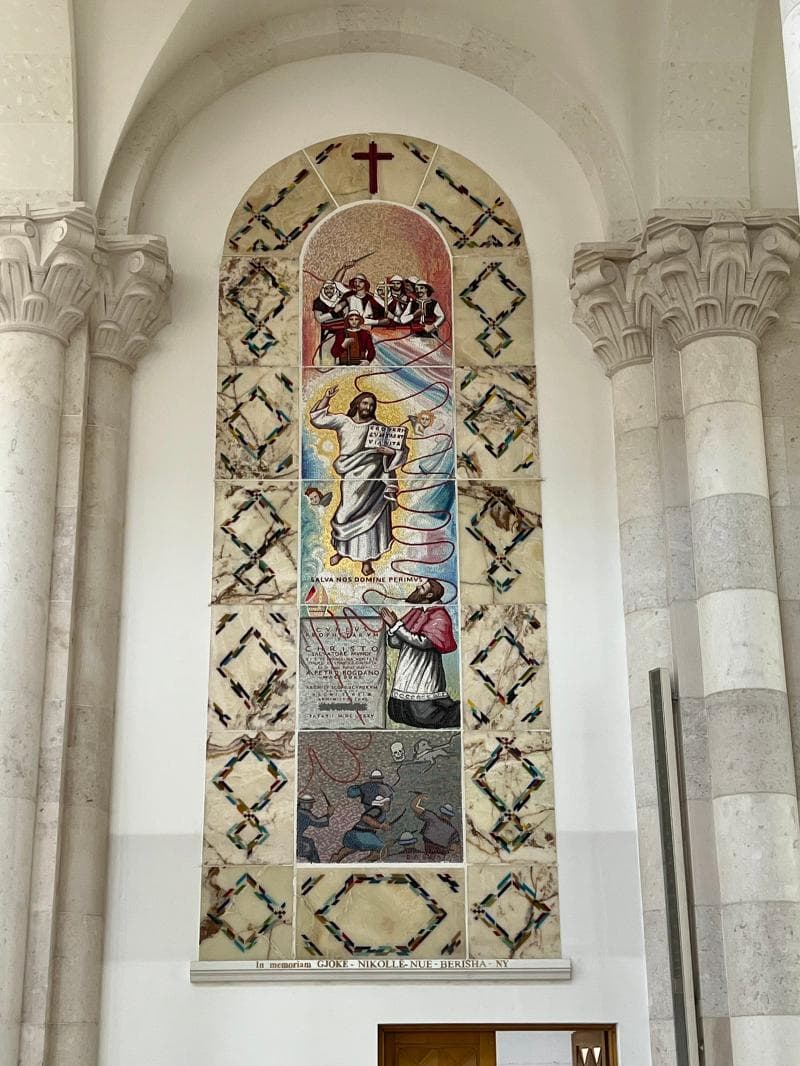
Explore the Mother Teresa Memorials inside the grand Cathedral Of Saint Mother Teresa in Pristina, Kosovo. Discover its history, unique architecture, and spiritual significance.
Overview
Nestled in the heart of Pristina, Kosovo, the Cathedral Of Saint Mother Teresa stands as a monumental tribute to the Nobel Peace Prize laureate. While the entire edifice serves as a profound memorial to her life and legacy, visitors will discover specific elements within its grand structure that particularly honor the beloved Albanian nun. This Neo-Romanesque basilica, consecrated in 2017, is not only the largest Roman Catholic church in the Balkans but also a powerful symbol of unity and religious tolerance in a predominantly Muslim nation. It invites travelers to delve into a spiritual sanctuary that beautifully intertwines faith, history, and a deep sense of national pride, offering both quiet contemplation and panoramic views of the vibrant capital.
History & Cultural Background
The genesis of the Cathedral Of Saint Mother Teresa is deeply rooted in Kosovo's post-war reconstruction and a collective desire to honor its Albanian Catholic heritage. The vision for this grand cathedral emerged in the early 2000s, with the foundation stone ceremonially laid in 2005 by the then-President of Kosovo, Ibrahim Rugova, a Muslim leader. This act underscored the project's profound significance as a symbol of religious tolerance and national unity across the diverse population of Kosovo. Construction officially commenced in 2007, culminating in the inauguration of the unfinished cathedral on September 5, 2010, marking the 13th anniversary of Mother Teresa's passing and the 100th anniversary of her birth. Its formal consecration took place seven years later, on September 5, 2017, coinciding with the 20th anniversary of her death, solidifying its place as a spiritual and cultural landmark. The decision to dedicate the church to Mother Teresa was a deliberate choice, acknowledging her Kosovar-Albanian roots and the profound respect locals hold for her humanitarian work.
What Makes It Special
The Mother Teresa Memorials within the Cathedral Of Saint Mother Teresa derive their special character from both the architectural grandeur and the heartfelt tribute they represent. The cathedral itself, a stunning example of Neo-Romanesque design, features a classic three-aisled basilica structure. Its elegant apse and spacious naves are bathed in natural light filtering through the windows, creating an atmosphere of peace and spirituality. Central to the memorials are the beautiful stained-glass windows that adorn the interior. These vivid depictions illustrate significant moments, including scenes from the life of Christ, Albanian Catholic martyrs, and notably, one portraying Mother Teresa alongside the Pope. A prominent statue of Mother Teresa also graces the interior, serving as a focal point for reflection and remembrance of her tireless dedication to the poor and suffering. The soaring bell tower, rising approximately 70 meters, further distinguishes the cathedral, making it one of Pristina's tallest and most recognizable structures. It is not just a place of worship but a powerful cultural institution that honors a global humanitarian figure and embodies the spirit of a nation.
Stories, Fun Facts & Local Details
The Cathedral Of Saint Mother Teresa, and by extension the memorials within, is imbued with fascinating stories and local significance. Mother Teresa, born Agnes Gonxha Bojaxhiu in Skopje, North Macedonia, was of Albanian descent, a fact that deeply resonates with the people of Kosovo and underscores the national pride associated with her legacy. The cathedral's construction, supported by the Albanian diaspora, demonstrates a collective effort to honor one of their own on a grand scale. Despite Kosovo being a predominantly Muslim country, the widespread support for a Catholic cathedral dedicated to Mother Teresa highlights a remarkable spirit of interfaith harmony and shared appreciation for universal values of compassion and service. It's common to see locals from various backgrounds visiting the cathedral, especially during festive seasons like Christmas, underscoring its role as a unifying civic space. The blend of religious devotion and national identity makes this site a unique cultural touchstone in Pristina.
Visitor Perspective
Visiting the Mother Teresa Memorials within the Cathedral Of Saint Mother Teresa offers a unique and enriching experience for any traveler. The cathedral is centrally located in Pristina, making it easily accessible on foot from most major tourist routes. Entry to the cathedral is free, allowing everyone to explore its serene interior and appreciate its architectural beauty and spiritual ambiance. For a truly breathtaking perspective, visitors have the option to take an elevator ride up the bell tower for a small fee, which provides unparalleled panoramic views of Pristina and its surrounding landscape. When planning your visit, it's advisable to wear respectful attire, as it is an active place of worship. Choosing morning hours or the middle of a weekday can offer a quieter, more contemplative experience, allowing you to fully absorb the peaceful atmosphere and the profound message of Mother Teresa's life that this magnificent structure commemorates.
Coordinates: 21.15944, 42.65639
View on Google Maps💬 How Travelers Describe This Place
Based on community votes
Must See
910Unique
658Interesting
589Beautiful
374Photogenic
90
Traveler Stories
Discover memorable experiences shared by travelers who have visited this place.
No traveler stories yet.
Be the first traveler to share what made this place memorable.

Tour
By
Spot
Discover amazing places around the world. Your journey starts here.
Explore
© 2026 TourBySpot. All rights reserved.