Mosaic Exhibits
Kiev, Ukraine
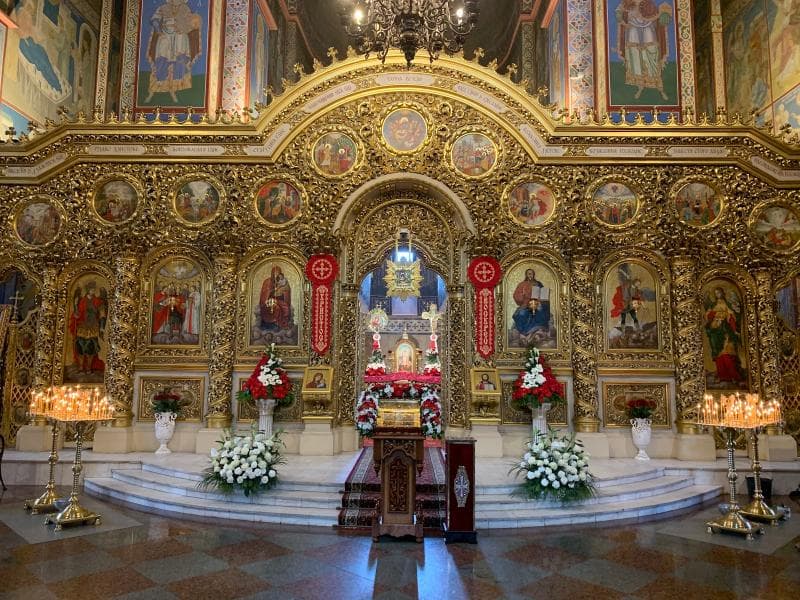
Discover the breathtaking mosaic exhibits at St. Michael's Golden-Domed Monastery in Kyiv, Ukraine. Explore recreated Byzantine artistry and preserved historical fragments.
Overview
Stepping into St. Michael's Golden-Domed Monastery in Kyiv, Ukraine, visitors are immediately enveloped by an atmosphere of profound history and spiritual grandeur. While the monastery itself is a magnificent reconstruction, its 'Mosaic Exhibits' offer a captivating journey through time, blending meticulously recreated Byzantine artistry with poignant fragments of its 12th-century originals. This sacred site, dedicated to Archangel Michael, the patron saint of Kyiv, stands as a vibrant symbol of Ukrainian resilience and cultural heritage, presenting an array of stunning mosaics that reflect both past glory and enduring faith.
The term 'Mosaic Exhibits' within the monastery primarily refers to the spectacular mosaic decorations adorning the interior of the main cathedral, which are faithful reproductions of its ancient predecessor. Additionally, a visit to the monastery's Bell Tower museum provides a unique opportunity to view genuine, returned fragments of the original medieval frescoes and possibly mosaics, offering a tangible connection to the past. These exhibits collectively tell a story of artistic mastery, destruction, and a triumphant rebirth.
History & Cultural Background
The original St. Michael's Golden-Domed Cathedral was founded between 1108 and 1113 by Prince Sviatopolk II Iziaslavych. It was renowned for its lavish Byzantine interior, adorned with frescoes and exquisite mosaics crafted by skilled Byzantine masters. These early 12th-century mosaics were considered among the finest in Kyivan Rus'. The cathedral gained its 'Golden-Domed' moniker as it was one of the first in Kyiv to feature a gilded dome.
Tragically, this architectural and artistic marvel faced a devastating fate in the 1930s. During the Soviet era, the monastery was deemed to lack historical value and was systematically demolished between 1934 and 1937 as part of anti-religious campaigns. Before its complete destruction, around 45 square meters of its priceless 12th-century Byzantine mosaics and frescoes were painstakingly removed. These salvaged treasures were then dispersed among various museums in Russia, such as the Tretyakov Gallery in Moscow and the Hermitage Museum in St. Petersburg, with some significant portions also transferred to the second floor of Saint Sophia Cathedral in Kyiv.
Following Ukraine's independence, a monumental effort began in the late 1990s to reconstruct the monastery to its original appearance. The main cathedral was rebuilt and reopened in 1999, with its interior decorations, including new mosaics and frescoes, completed around 2000. This ambitious project aimed to resurrect a crucial piece of Ukraine's spiritual and artistic identity.
What Makes It Special
The mosaics of St. Michael's Golden-Domed Monastery hold a special place in art history due to their distinctive artistic style. While sharing Byzantine roots with those found in Saint Sophia Cathedral, the St. Michael's mosaics exhibited a more dynamic and less schematic Kyivan style. The apostles, for instance, were depicted in more naturalistic poses and adorned in vibrant colors, a stark contrast to the more uniform and subdued representations elsewhere. This linearity and expressive quality set them apart as unique examples of early medieval Ukrainian art.
What makes the current 'Mosaic Exhibits' particularly poignant is their dual nature: a testament to meticulous reconstruction and a celebration of returned heritage. The recreated mosaics within the main cathedral are not mere imitations but are faithful copies based on historical records, drawings made before demolition, and surviving fragments. They allow visitors to experience the grandeur of the original interior. Furthermore, the return of some original fresco and possibly mosaic fragments from Russian museums in the early 2000s marks a significant cultural triumph, symbolizing the restoration of historical justice. These precious fragments offer a direct, tangible link to the monastery's medieval past.
Stories, Fun Facts & Local Details
The journey of St. Michael's mosaics is a dramatic tale of survival and revival. Imagine the immense challenge faced by art historians and restorers in the 1930s, working against time and political will to salvage what they could from a condemned masterpiece. The very act of carefully removing large sections of mosaic, piece by individual piece, knowing the structure around them would soon be rubble, speaks volumes about their dedication.
One notable mosaic, the 'Eucharist,' a central piece of the original cathedral, found a new home on a specially constructed wall in the exhibition hall of Saint Sophia Cathedral, designed to mimic the apse of St. Michael's. This thoughtful relocation ensured its preservation and continued appreciation.
A less known but significant detail is that in February 2001, and again in January 2004, several fragments of 12th-century frescoes were returned to Ukraine from the Hermitage Museum. These returned treasures, along with other archaeological finds, are now housed in the Museum of the History of St. Michael's Golden-Domed Monastery, located within the monastery's Bell Tower. This small museum is a treasure trove for anyone seeking authentic pieces of the monastery's medieval splendor.
Visitor Perspective
As a visitor to St. Michael's Golden-Domed Monastery, you are invited to explore an active spiritual center that beautifully marries its ancient past with its modern rebirth. The dominant impression upon entering the main cathedral is one of breathtaking artistry; the vibrant, shimmering mosaics on the walls and dome transport you to a different era, echoing the original Byzantine splendor. While these are predominantly recreations, their faithfulness to the ancient designs ensures an authentic aesthetic experience.
Beyond the main cathedral, a visit to the Museum of the History of St. Michael's Golden-Domed Monastery, located in the Bell Tower, is highly recommended. Here, you can encounter the few precious original fragments of mosaics and frescoes that survived the 1930s demolition and were later returned. Standing before these genuine pieces offers a powerful, emotional connection to the monastery's 900-year history and the incredible story of its cultural preservation. It is a place where you can quietly reflect on the ebb and flow of history, the destructive forces it can unleash, and the inspiring human spirit that rebuilds and restores.
Coordinates: 30.523, 50.456
View on Google Maps💬 How Travelers Describe This Place
Based on community votes
Unique
639Interesting
526Must See
421Beautiful
366Photogenic
181
Traveler Stories
Discover memorable experiences shared by travelers who have visited this place.
No traveler stories yet.
Be the first traveler to share what made this place memorable.

Tour
By
Spot
Discover amazing places around the world. Your journey starts here.
Explore
© 2026 TourBySpot. All rights reserved.