Morića Han
Sarajevo, Bosnia and Herzegovina
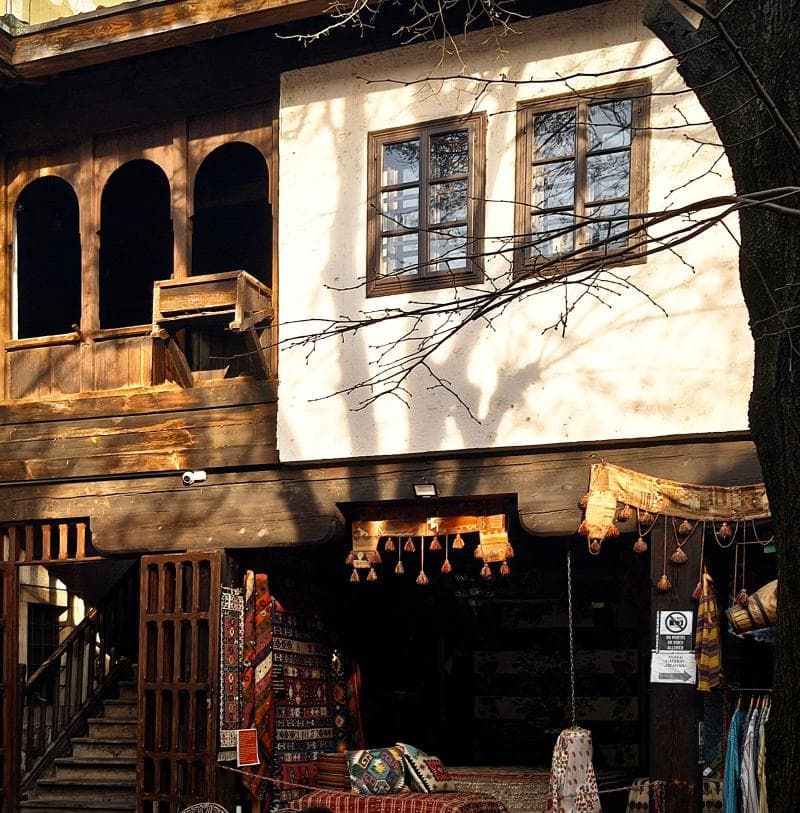
Explore Morića Han, Sarajevo's last Ottoman caravanserai in Baščaršija. Discover its rich history, unique culture, and enjoy Bosnian coffee in this historic gem.
Overview
Nestled within the bustling Baščaršija district of Sarajevo, Bosnia and Herzegovina, Morića Han stands as a remarkable testament to the city's rich Ottoman heritage. As the last surviving caravanserai, or roadside inn, in Sarajevo, it offers a tangible link to a bygone era when merchants and travelers traversed the Balkan trade routes. Originally constructed in 1551, this historic structure was designed to accommodate a significant number of people and their horses, providing essential lodging and a hub for commerce. Today, Morića Han has transformed into a vibrant cultural and commercial center, where visitors can immerse themselves in history while enjoying traditional Bosnian hospitality. Its tranquil courtyard, adorned with various shops, cafes, and a national restaurant, invites both locals and tourists to pause, enjoy Bosnian coffee, and absorb the unique atmosphere that echoes centuries of stories.
The han's enduring presence in the heart of the old bazaar makes it an unmissable destination for anyone exploring Sarajevo. It is a place where the past gracefully intertwines with the present, offering a serene escape from the lively streets of Baščaršija.
History & Cultural Background
Morića Han's origins trace back to 1551, when it was built as part of the endowment (Vakuf) of Gazi Husrev-Bey, a prominent Ottoman governor of Bosnia. Designed in the classic Ottoman architectural style, it was a crucial resting place for caravans, capable of housing approximately 300 travelers and 70 horses. The ground floor served as stables and storage for goods, while the upper floor offered guest rooms and a significant coffeehouse that fostered social and political discussions.
Throughout its long history, Morića Han has faced numerous challenges, including several devastating fires. Major reconstructions occurred after a fire in 1697 and, more recently, after a fire completely destroyed the building in December 1957. The most notable reconstruction, carried out between 1971 and 1974, saw its walls decorated with beautiful Persian calligraphy, featuring inscriptions from the poems of Omar Khayyám. The han's name itself has a fascinating evolution; originally known as Hadži-Bešir's han in 1659, as noted by the Ottoman traveler Evliya Çelebi, its modern name is believed to derive from Mustafa-aga Morić and his son Ibrahim-aga Morić, tenants in the early 19th century, though some sources link it to the Morić brothers who participated in rebellions against the Ottoman Empire between 1747 and 1757.
Beyond its commercial function, Morića Han played a significant role in Sarajevo's civic life. On July 29, 1878, citizens famously gathered within its walls to establish the Narodni Odbor (People's Council) and formally protest the impending Austro-Hungarian occupation of Bosnia and Herzegovina, marking it as a site of political resistance.
What Makes It Special
Morića Han's unparalleled significance lies in its status as Sarajevo's sole remaining caravanserai, making it an invaluable architectural and historical treasure. Its traditional Ottoman design, characterized by an arcaded courtyard and an inner fountain, provides a picturesque and authentic setting that transports visitors back in time. The han serves as a living museum, continually adapting its purpose while honoring its past. Today, it hosts a blend of businesses that maintain its historical context, including the renowned Isfahan Gallery, a Persian carpet shop, a national restaurant serving traditional Bosnian cuisine, and various cafes. This unique combination of historical preservation and contemporary commerce creates a truly special atmosphere, allowing guests to experience the architectural grandeur and the cultural vibrancy simultaneously. It is a place where you can enjoy a quiet moment with a cup of Bosnian coffee amidst centuries-old stone walls, offering a distinct sense of peace away from the urban bustle.
Stories, Fun Facts & Local Details
One fascinating aspect of Morića Han is the intriguing debate surrounding the origin of its current name. While many believe it comes from the Morić family who were tenants in the early 19th century, another theory suggests a connection to the Morić brothers, who led local uprisings against the Ottomans in the mid-18th century, adding a layer of rebellious folklore to its history. The han's coffeehouse tradition has always been central to its identity. For centuries, it served as a vital gathering spot where the city's elite, artisans, and merchants engaged in important discussions, making it a cradle of Sarajevo's social and political life.
The cultural significance of Morića Han extends to local artistry; it is mentioned in traditional Bosnian sevdalinka songs, and its image even featured in Emir Kusturica's acclaimed film 'When Father Was Away on Business'. The Persian calligraphy decorating its walls, installed during the 1970s reconstruction, presents verses from Omar Khayyám's Rubaiyat, infusing the Ottoman structure with a touch of Persian poetic heritage and reflecting the diverse influences that have shaped the region.
Visitor Perspective
For the curious traveler, a visit to Morića Han is an experience steeped in authenticity and charm. Stepping through its gate feels like entering a different world, a serene oasis within the energetic Baščaršija bazaar. The inviting courtyard is the perfect spot to savor a traditional Bosnian coffee, observing daily life unfold at a leisurely pace. You can wander through the ground-floor shops, perhaps finding a unique souvenir or admiring the intricate designs in the Persian carpet shop. The national restaurant offers an opportunity to taste authentic Bosnian cuisine in a historically rich setting.
Morića Han serves as a gateway to understanding Sarajevo's multifaceted past and its enduring cultural spirit. It provides not just a visual spectacle of Ottoman architecture, but a sensory journey through the aromas of coffee and traditional food, and the soft sounds of conversation and music. It is a place to connect with the city's legacy, offering insights into the blend of Ottoman artistry and Bosnian hospitality that defines this remarkable destination. Guided tours are also available for those wishing to delve deeper into its historical narratives.
Coordinates: 18.4299779, 43.8596606
View on Google Maps💬 How Travelers Describe This Place
Based on community votes
Beautiful
804Unique
733Must See
563Interesting
404Photogenic
336
Traveler Stories
Discover memorable experiences shared by travelers who have visited this place.
No traveler stories yet.
Be the first traveler to share what made this place memorable.

Tour
By
Spot
Discover amazing places around the world. Your journey starts here.
Explore
© 2026 TourBySpot. All rights reserved.