Monument Plaza
Jakarta, Indonesia
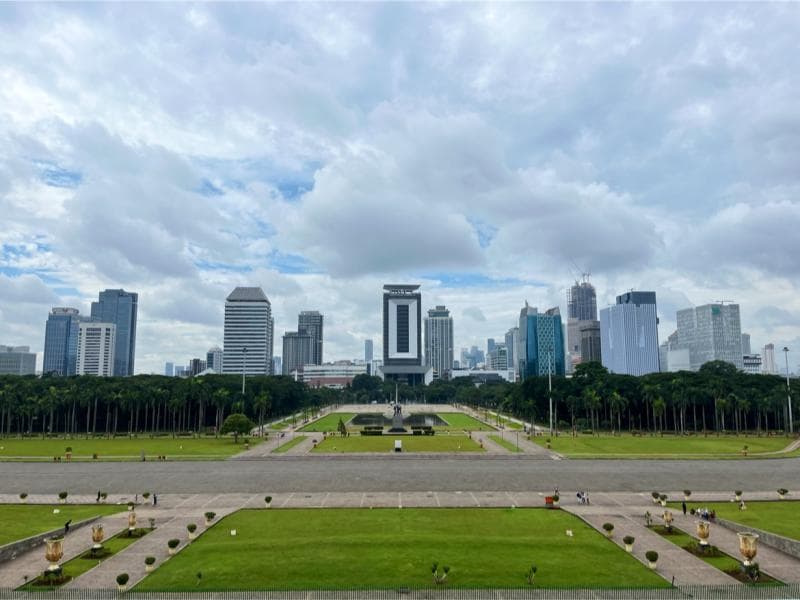
Explore Monument Plaza at the National Monument (Monas) in Jakarta, Indonesia. Discover its rich history, cultural significance, and panoramic city views.
Overview
At the heart of Jakarta, Indonesia, lies the expansive area known as Monument Plaza, home to the iconic National Monument, locally referred to as Monas. This towering obelisk, a powerful symbol of Indonesia's hard-won independence, stands majestically within Merdeka Square, a vast green expanse covering approximately eighty hectares. The monument itself rises to an impressive height of 132 meters, making it a prominent feature of the city's skyline. Crowned with a brilliant flame coated in gold leaf, Monas is not merely a structure but a narrative in stone and metal, inviting visitors to delve into the nation's profound history and vibrant culture.
History & Cultural Background
The vision for Monas originated with Indonesia's first President, Sukarno, who sought to create a national symbol commemorating the struggle for independence from Dutch colonial rule. Construction commenced on August 17, 1961 – a date deeply symbolic as it marks Indonesia's Independence Day – and the monument was officially opened to the public in 1975.
Designed by architects Frederich Silaban and R.M. Soedarsono, Monas embodies rich philosophical and cultural values. Its unique form is often interpreted as representing the traditional Indonesian pestle (lingga) and mortar (yoni), symbolizing fertility, balance, and eternal life. The structure's dimensions also subtly reference Indonesia's independence date: August 17, 1945. The most striking feature, the Flame of Independence at its pinnacle, initially boasted 35 kilograms of gold leaf. For the 50th anniversary of Indonesian independence in 1995, this was increased to 50 kilograms, representing the burning spirit and indomitable will of the Indonesian people to achieve and maintain their freedom.
Beneath the monument, visitors discover the National History Museum, which vividly chronicles Indonesia's journey from prehistoric times through colonial struggles to the proclamation of independence. Further within, the sacred Hall of Independence (Ruang Kemerdekaan) houses priceless relics, including a bronze-plated inscription of the original Proclamation of Independence, a grand Garuda Pancasila (the national emblem), and a replica of the ‘Sang Saka Merah Putih,’ the first red-and-white flag raised on that momentous day.
What Makes It Special
What truly sets Monas and its surrounding Monument Plaza apart is its multi-layered experience. The sheer scale of the monument, topped by its glistening golden flame, is a sight to behold, especially when illuminated at night. Ascending to the observation deck, located 115 meters above ground, offers a breathtaking panoramic vista of Jakarta's sprawling urban landscape, stretching to the distant mountains on clear days.
The National History Museum, with its meticulously crafted 51 dioramas, provides an immersive educational journey through the nation's past, making complex historical narratives accessible and engaging for all ages. The solemn Hall of Independence, preserving the tangible symbols of the nation's birth, offers a profound moment of reflection on the sacrifices made for freedom. Beyond the monument itself, Monument Plaza, or Merdeka Square, functions as Jakarta's largest public space. It is a vital green lung in the bustling city, providing a serene environment for recreation and community gatherings.
Stories, Fun Facts & Local Details
Monas holds a special place in the hearts of Indonesians, often sparking playful remarks. A common jest among locals involves wishing they could take the gold from the monument's flame. This lighthearted humor underscores the monument's iconic status and its precious gold covering. The surrounding Merdeka Square is more than just a monumental backdrop; it's a living, breathing part of Jakarta life. On weekends, it transforms into a bustling hub where families picnic, individuals jog along its pathways, and various community events unfold. It's not uncommon to witness groups practicing martial arts or simply enjoying the open space, providing a glimpse into the daily rhythms of Jakarta residents. Some parts of the park even feature a deer enclosure, adding an unexpected touch of nature to the urban setting. The monument's design elements, from its height to the choice of construction start date, are all carefully interwoven with the narrative of Indonesian independence, making every aspect a silent storyteller.
Visitor Perspective
For the curious traveler, a visit to Monument Plaza offers a rich blend of history, culture, and urban exploration. Given the expansive nature of Merdeka Square, comfortable footwear is highly recommended for exploring the grounds. The monument and museum are typically open daily, except on Mondays. Many suggest an early morning visit to avoid the heat and larger crowds, especially if planning to ascend to the observation deck, as there is only one lift, which can lead to queues. Access to the monument generally requires a JakCard, a cashless payment system for tickets, which can be purchased on-site. The entry experience typically involves a tunnel leading from the northern side of the park towards the monument's base. Whether you're seeking a historical deep dive, panoramic city views, or simply a tranquil green space in the heart of Jakarta, Monument Plaza provides an unforgettable encounter with Indonesia's enduring spirit.
Coordinates: 106.8229, -6.1719
View on Google Maps💬 How Travelers Describe This Place
Based on community votes
Beautiful
791Photogenic
613Unique
514Must See
457Interesting
207
Traveler Stories
Discover memorable experiences shared by travelers who have visited this place.
No traveler stories yet.
Be the first traveler to share what made this place memorable.

Tour
By
Spot
Discover amazing places around the world. Your journey starts here.
Explore
© 2026 TourBySpot. All rights reserved.