Monument Area
Sofia, Bulgaria
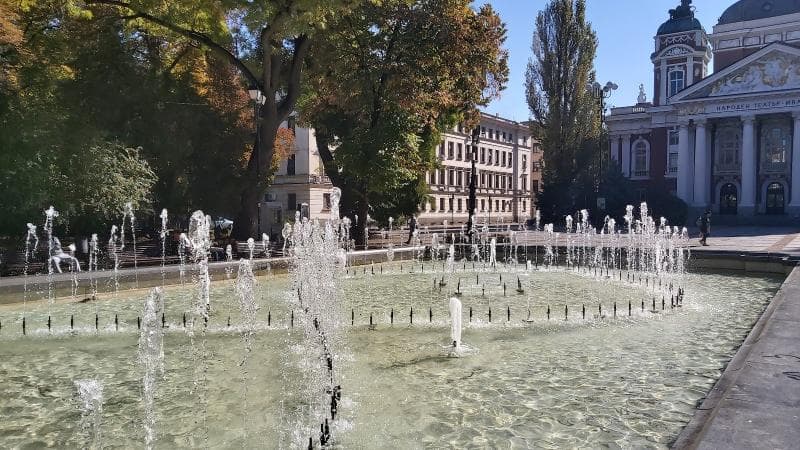
Discover the 'Monument Area' of Sofia's Ivan Vazov National Theatre. Explore its neoclassical facade, rich history, and cultural significance in Bulgaria.
Overview
Stepping into the heart of Sofia, Bulgaria, one cannot miss the majestic presence of the Ivan Vazov National Theatre. While many come for the captivating performances within, the true spectacle for many a curious traveler begins even before entering: with the theatre's stunning 'Monument Area' – its grand, neoclassical exterior. This magnificent facade, rich in architectural detail and sculptural artistry, stands not merely as a building front but as a powerful symbol of Bulgarian culture and resilience. It serves as an open-air gallery, inviting visitors to pause, admire, and delve into the stories etched into its very stone. Perched proudly at the edge of the City Garden, it offers a harmonious blend of natural beauty and man-made grandeur, making it an iconic and instantly recognizable landmark of the capital.
History & Cultural Background
The Ivan Vazov National Theatre, named after Bulgaria's revered writer, poet, and playwright, Ivan Vazov, boasts a history as dramatic as the plays staged within its walls. Founded in 1904, the theatre's impressive neoclassical edifice was completed in 1907, designed by the renowned Viennese architects Hermann Helmer and Ferdinand Fellner, celebrated for their work on numerous European theatres. This architectural marvel quickly became a cornerstone of Bulgarian cultural life, replacing a temporary wooden structure. Its journey, however, has not been without trials. The building suffered significant damage from a devastating fire in 1923 and again during the bombings of World War II. Yet, each time, like a phoenix, it rose from the ashes, meticulously restored to its original grandeur, a testament to the nation's unwavering commitment to its artistic heritage and national identity. The theatre's enduring presence reflects Bulgaria's spirit and its profound appreciation for the dramatic arts.
What Makes It Special
The 'Monument Area' of the Ivan Vazov National Theatre is truly special due to its exquisite architectural composition and symbolic sculptural elements. The facade features a majestic portico supported by six grand columns, culminating in a triangular pediment. Adorning this pediment is a magnificent sculptural group depicting Apollo, the Greek god of music and arts, surrounded by the muses of art, seemingly watching over the cultural endeavors within. This intricate detailing immediately conveys the theatre's profound connection to classical arts and intellectual pursuit. Further enhancing its grandeur, the theatre's two twin towers are crowned with statues of Nike, the winged Greek goddess of victory, symbolizing triumph and excellence in performance. The predominant red brick facade, accented with elegant white details, along with the ornate carvings and colonnades, showcase a remarkable blend of neoclassical and baroque elements. These features combine to create an architectural masterpiece that is not only visually stunning but also deeply resonant with cultural significance, embodying the artistic soul of Bulgaria.
Stories, Fun Facts & Local Details
Beyond its architectural beauty, the Ivan Vazov National Theatre holds several charming anecdotes and interesting details that endear it to locals and visitors alike. A notable fun fact is its appearance on Bulgarian currency; the theatre's iconic facade is depicted on the obverse of the Bulgarian 50 levs banknote, highlighting its status as a national treasure. Its prime location, facing the sprawling City Garden, makes it a vibrant hub for both cultural events and leisurely recreation. Locals often gather in the park, enjoying the serene fountains and greenery, with the theatre as a magnificent backdrop. The area in front of the theatre is one of Sofia's most popular photo spots, with its elegant design and historical aura providing a perfect setting for memorable pictures. The theatre was initially called simply the National Theatre, but was renamed after Ivan Vazov in 1925, honoring his immense contributions to Bulgarian literature and culture. This renaming solidified its connection to the literary giant, further weaving his legacy into the fabric of Bulgarian performing arts.
Visitor Perspective
For any traveler exploring Sofia, a visit to the 'Monument Area' of the Ivan Vazov National Theatre is an essential experience. Approaching the theatre from the City Garden, one is immediately struck by its imposing yet elegant presence. It's a place where you can spend time simply admiring the craftsmanship of the Viennese architects and the symbolic artistry of the sculptures. Imagine standing where countless patrons have stood for over a century, gazing upon Apollo and the Muses, feeling the weight of history and culture around you. The meticulous details of the facade offer a quiet moment of reflection on Bulgaria's rich artistic traditions. Whether you're a history buff, an architecture enthusiast, or simply a curious wanderer, the exterior provides a compelling introduction to the theatre's significance. It's the perfect spot for a memorable photograph, a place to absorb the local atmosphere, and a poignant reminder of Sofia's enduring cultural heartbeat before perhaps stepping inside for a performance or a guided tour.
Coordinates: 23.3263, 42.6953
View on Google Maps💬 How Travelers Describe This Place
Based on community votes
Must See
897Interesting
657Beautiful
498Unique
481Photogenic
299
Traveler Stories
Discover memorable experiences shared by travelers who have visited this place.
No traveler stories yet.
Be the first traveler to share what made this place memorable.

Tour
By
Spot
Discover amazing places around the world. Your journey starts here.
Explore
© 2026 TourBySpot. All rights reserved.