Monastic Courtyard
Pristina, Kosovo
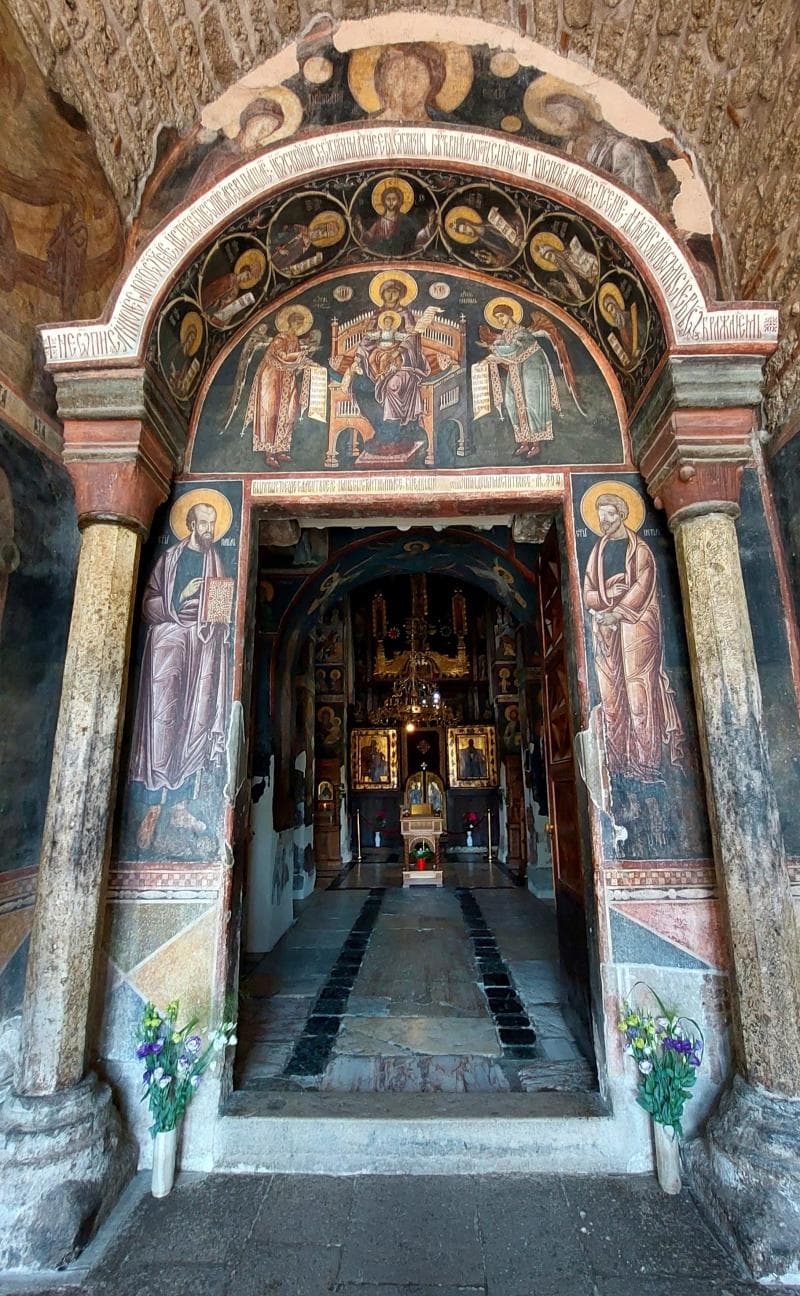
Discover the tranquil Monastic Courtyard of Gracanica Monastery in Pristina, Kosovo – a UNESCO World Heritage site offering serene beauty and centuries of history.
Overview
Nestled in the heart of Kosovo, just a short distance from Pristina, lies the venerable Gracanica Monastery, a UNESCO World Heritage site and a profound testament to medieval Serbian art and spirituality. While the monastery's main church, with its distinctive five domes, is undoubtedly the focal point, the surrounding monastic courtyard provides an essential setting that enhances the entire experience. This tranquil expanse, often described as a large, grassy, and walled garden, offers visitors a serene space for contemplation and a breathtaking panorama of the architectural masterpiece it enfolds. It serves not merely as an access point, but as an integral part of the spiritual journey, preparing the soul for the sacred beauty within the church itself.
The Monastic Courtyard at Gracanica invites a moment of stillness, allowing travelers to absorb the centuries of history and devotion that permeate the grounds. It acts as a buffer from the outside world, creating an atmosphere of peace where the sounds of daily life fade, replaced by the gentle rustle of leaves and the distant echoes of monastic life. Here, one can admire the exterior grandeur of the church, its unique blend of Byzantine and Serbian architectural elements, before stepping into its hallowed interior.
History & Cultural Background
The Gracanica Monastery was founded in 1321 by the Serbian King Stefan Milutin, built upon the remnants of an older 6th-century basilica and a 13th-century church. This deep layering of history underscores the site's enduring spiritual significance. The Monastic Courtyard, as the traditional space enveloping the main church, has witnessed every era of the monastery's rich and often turbulent past. While the specific layout and features of the courtyard may have evolved over the centuries, its role as the protective and nurturing ground for the monastic community has remained constant.
As a key component of the 'Medieval Monuments in Kosovo' UNESCO World Heritage designation since 2006, the entire complex, including its courtyard, represents a high point of Byzantine-Romanesque ecclesiastical culture. It has served not only as a religious institution but also as a vital cultural and national center for the Serb community in Kosovo, particularly since the late 20th century. The courtyard has hosted countless gatherings, prayers, and communal life, becoming a silent observer of historical continuity and resilience.
What Makes It Special
The Monastic Courtyard's special charm lies in its harmonious relationship with the monumental church. It is a space designed for reflection, offering visitors the opportunity to appreciate the full architectural splendor of the monastery from various perspectives. The alternating use of red bricks and stones on the church's exterior, visible from the courtyard, creates a rich texture and vibrant color that stands out against the natural surroundings.
Moreover, the courtyard is a living space. It is actively maintained by the community of nuns who reside at Gracanica, engaging in activities such as icon painting, embroidery, and agriculture. This imbues the grounds with an authentic sense of ongoing monastic life, far removed from the static feel of a mere historical monument. The presence of well-kept gardens and shaded areas provides respite and emphasizes the monastery's function as a vibrant spiritual center.
Stories, Fun Facts & Local Details
The walls of the Gracanica Monastery, both inside and those visible from the courtyard, tell stories spanning centuries. While the most famous frescoes are housed within the church, the exterior of the monastic complex, viewed from the courtyard, reveals the church's resilience. The monastery has endured numerous periods of damage and restoration, including attacks by Ottomans and conflicts in the late 20th century, yet it has consistently risen again, a symbol of unwavering faith.
A touching detail is King Milutin's founding charter, which states, 'I have seen the ruins and the decay of the Holy Virgin's temple of Gracanica... so I have built it from the ground and painted and decorated it both from inside and outside.' This declaration, sometimes preserved in fresco form on an interior wall, speaks to the profound dedication behind its creation. The courtyard, as the immediate external environment, embodies this spirit of renewal and continuity. It is also a place where important cultural events like the Vidovdan commemoration gather hundreds of people, highlighting its role as a spiritual and communal heartland.
Visitor Perspective
Stepping into the Monastic Courtyard of Gracanica Monastery is like entering a sanctuary of time. The peaceful ambiance provides an ideal environment for quiet reflection and an escape from the bustle of modern life. Visitors often find themselves drawn to the stillness, appreciating the calm before or after experiencing the intense artistic and spiritual power of the church's interior frescoes. The expansive grounds allow for leisurely strolls, offering different vantage points to admire the monastery's distinct Serbo-Byzantine architecture.
Although photography is generally prohibited inside the church to preserve its sacred atmosphere, the courtyard, exterior architecture, and surrounding grounds are openly available for capturing memories. This thoughtful approach ensures that visitors can document their experience of this historic site while respecting its spiritual core. The courtyard facilitates an immersive journey, allowing travelers to connect with centuries of monastic tradition and the serene beauty of this exceptional cultural heritage site in Pristina, Kosovo.
Coordinates: 21.1893, 42.5923
View on Google Maps💬 How Travelers Describe This Place
Based on community votes
Must See
913Photogenic
748Interesting
499Beautiful
337Unique
94
Traveler Stories
Discover memorable experiences shared by travelers who have visited this place.
No traveler stories yet.
Be the first traveler to share what made this place memorable.

Tour
By
Spot
Discover amazing places around the world. Your journey starts here.
Explore
© 2026 TourBySpot. All rights reserved.