Monastic Cells
Kiev, Ukraine
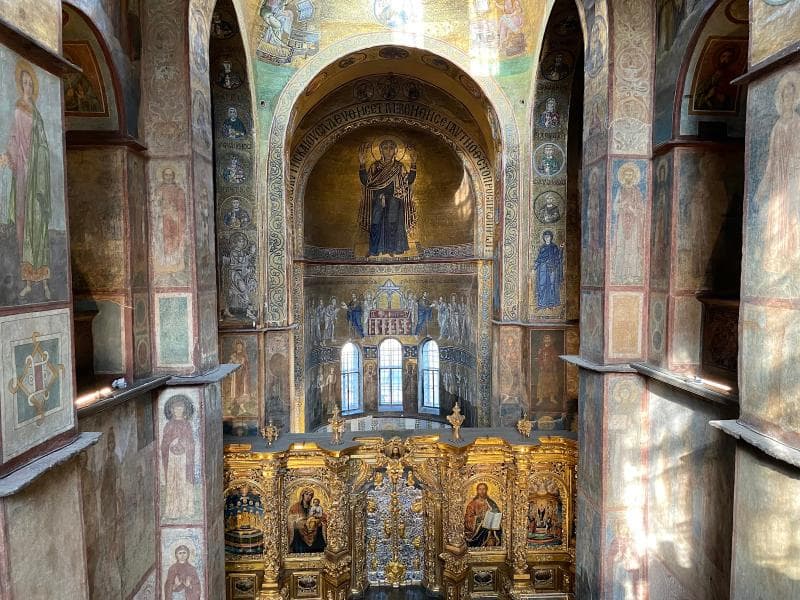
Explore the historic Monastic Cells within Saint Sophia Cathedral in Kyiv, Ukraine. Discover the living quarters of clergy and their rich spiritual history.
Overview
Nestled within the magnificent complex of Saint Sophia Cathedral in Kyiv, Ukraine, the Monastic Cells offer a glimpse into the daily lives and spiritual routines of the clergy and monks who once served this sacred site. While the main cathedral is a grand architectural masterpiece, these associated monastic buildings, constructed predominantly in the 17th and 18th centuries, provided essential living quarters and support structures for the ecclesiastical community. They form an integral part of the UNESCO World Heritage ensemble, highlighting the complex's multifaceted role as a spiritual, cultural, and administrative center throughout centuries.
Today, as part of the National Sanctuary 'Sophia of Kyiv', these former monastic dwellings contribute to the serene and contemplative atmosphere of the cathedral grounds, inviting visitors to reflect on the historical significance and the enduring legacy of faith that permeated these walls.
History & Cultural Background
Saint Sophia Cathedral itself, founded in the 11th century by Prince Yaroslav the Wise, was conceived as the primary spiritual and cultural heart of Kyivan Rus', designed to rival the grandeur of Hagia Sophia in Constantinople.
While the initial structure was a cathedral for the metropolitan, the surrounding territory gradually developed into a broader monastic and administrative complex. The Monastic Cells, or 'cells of cathedral elders' as some sources refer to them, along with other supporting edifices like the Bell Tower, Metropolitan's House, and Refectory, were largely added during the Ukrainian Baroque period of the 17th and 18th centuries.
These later constructions helped solidify the cathedral's role as a self-sufficient spiritual citadel, where clergy could reside, study, and maintain the daily functions of the vast complex. The transformation reflects the evolving needs and architectural styles over nearly a millennium, from the Byzantine origins of the cathedral to the Baroque flourishes of the monastic residences.
What Makes It Special
The special allure of the Monastic Cells lies not just in their architecture but in the profound sense of history they convey. They represent the human element behind the majestic stone and mosaic of the cathedral. These were the humble abodes where spiritual leaders and monks lived lives dedicated to prayer, study, and the preservation of faith and knowledge.
Unlike the awe-inspiring mosaics and frescoes within the main cathedral, the monastic cells speak to a more intimate and personal spiritual journey. They embody the quiet devotion and scholarly pursuits that were as crucial to the cathedral's enduring legacy as its grand ceremonies. Their Ukrainian Baroque style, with its distinctive ornamentation, offers a stark yet harmonious contrast to the ancient Byzantine foundations of the cathedral, showcasing layers of history in one unified complex.
Stories, Fun Facts & Local Details
Imagine the rustling of monastic robes, the murmurs of prayers, and the quiet footsteps of scholars within these very walls. Though specific stories tied to individual cells are scarce, the collective history of the monastic community here is rich. It's believed that within the wider complex, chronicles were written, and a scriptorium and library were established, making it a hub of literacy and learning in Kyivan Rus'.
While exploring the grounds, it's fascinating to consider how the daily lives in these cells supported the grand spiritual purpose of the cathedral. The bells of the Bell Tower, soaring above the complex, would have marked the rhythm of their days, calling them to prayer and communal life. Today, wandering through the tranquil grounds, one can almost hear the echoes of centuries of devotion.
Visitor Perspective
For the curious traveler, visiting the Monastic Cells offers a moment of quiet contemplation away from the more opulent interiors of the main cathedral. As you explore the grounds of Saint Sophia Cathedral, these former residential buildings provide context to the holistic life led by the clergy. They are not merely structures but silent witnesses to the spiritual dedication that sustained one of Ukraine's most significant historical and religious sites.
Observing their architecture and imagining the lives lived within, one gains a deeper appreciation for the profound history and rich cultural tapestry of Kyiv. It's an opportunity to connect with the past on a more personal level, understanding that behind every grand monument were individuals who lived and dedicated their lives to its purpose. While you might not enter every single 'cell,' their presence frames the story of the entire sacred complex.
Coordinates: 30.5144, 50.4528
View on Google Maps💬 How Travelers Describe This Place
Based on community votes
Photogenic
903Beautiful
645Must See
262Interesting
125Unique
64
Traveler Stories
Discover memorable experiences shared by travelers who have visited this place.
No traveler stories yet.
Be the first traveler to share what made this place memorable.

Tour
By
Spot
Discover amazing places around the world. Your journey starts here.
Explore
© 2026 TourBySpot. All rights reserved.