Monastic Buildings
Yangon, Myanmar
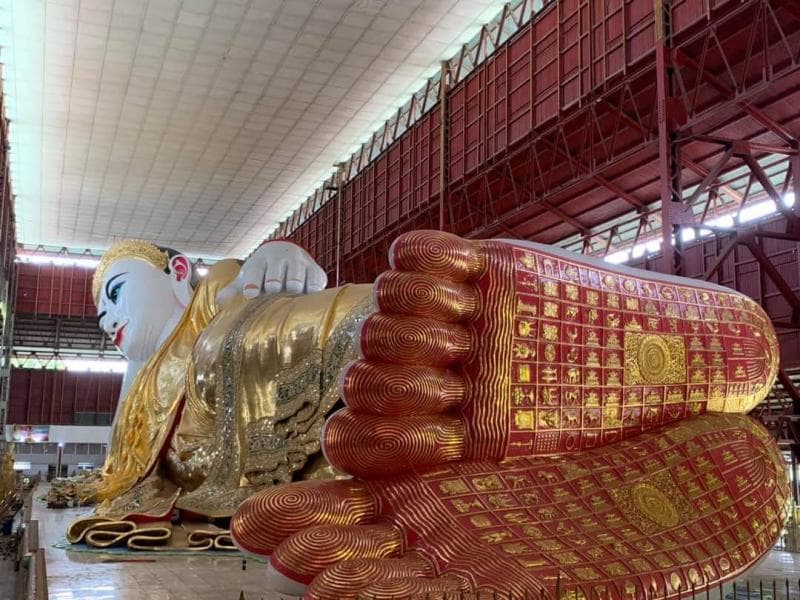
Explore the monastic buildings of Chaukhtatgyi Buddha Temple in Yangon, Myanmar, for an authentic glimpse into the daily lives of Buddhist monks.
Overview
Beyond the immense presence of the reclining Buddha at Chaukhtatgyi Buddha Temple in Yangon, Myanmar, lies a living heart of spiritual devotion: its monastic buildings. These wooden structures, nestled within the temple grounds, serve as the vibrant home and training ground for a community of monks, both young and old. They represent more than just accommodation; they are a functioning institution where the ancient traditions of Theravada Buddhism are preserved and passed down. Visitors to Chaukhtatgyi often marvel at the colossal Buddha image, but it is within these unassuming monastic quarters that the daily rhythm of faith truly unfolds, offering a profound glimpse into Myanmar's spiritual soul. Here, one can observe a genuine monastic environment, a sanctuary of learning and contemplation that underpins the temple's broader religious significance.
History & Cultural Background
The Chaukhtatgyi Buddha Temple itself boasts a rich history, with its origins tracing back to 1899 when a wealthy Burmese Buddhist, Sir Po Tha, sponsored its construction. The original reclining Buddha image was completed in 1907, though it later underwent significant renovations due to initial disproportions and an 'aggressive' facial expression. The current, serene 66-meter statue was consecrated in 1973, reflecting mid-20th-century craftsmanship. Throughout these historical developments, the monastic buildings have stood as an integral part of the temple's cultural landscape. While specific dates for the construction of the current monastic quarters are less detailed, their continuous presence signifies the enduring importance of monastic life in Burmese Buddhist culture. The temple is not merely a monument but a dynamic spiritual hub, where the monastic community plays a crucial role in maintaining its traditions, educating new generations of monks, and providing a focal point for lay devotees.
What Makes It Special
What truly distinguishes the monastic buildings at Chaukhtatgyi is the authentic window they offer into the daily lives of Myanmar's Buddhist monks. Unlike many purely architectural marvels, this area is a 'working spiritual hub' where visitors can witness monks engaged in their studies, meditations, and communal activities. These wooden structures house dormitories, classrooms, and eating halls, providing a complete environment for monastic training. It's a rare opportunity to observe the dedication of young novices and experienced monks alike, immersed in the study of scriptures and the practice of their faith. This tangible connection to a living spiritual tradition adds a profound layer of meaning to a visit, moving beyond mere sightseeing to offer a deeper cultural immersion.
Stories, Fun Facts & Local Details
Within the monastic buildings, everyday life for the monks is a fascinating blend of discipline and devotion. Young monks can often be seen scattered around sparsely furnished rooms, diligently reading their scriptures, sometimes chanting. Observers have noted the varying levels of focus among the students, with older boys demonstrating intense concentration, often guided by a stern, yet dedicated, teacher. While visitors are present, the monks maintain their routines, offering a genuine, unfiltered glimpse into their world. This adherence to tradition, even in the presence of curious outsiders, underscores the deeply ingrained spiritual practices. It's a place where the sounds of quiet study and rhythmic chanting are the true soundtrack, and where the simple, functional architecture of the wooden dormitories speaks volumes about a life dedicated to spiritual pursuit. Witnessing these scenes provides a rich, human dimension to the grandeur of the reclining Buddha.
Visitor Perspective
For a curious traveler, visiting the monastic buildings at Chaukhtatgyi Buddha Temple offers an experience that is both enlightening and humbling. It is advisable to approach these areas with respect and a quiet demeanor, remembering that these are not merely tourist attractions but active places of worship and study. Dressing modestly, covering shoulders and knees, is essential as a sign of reverence in this sacred space. While observing the monks, maintaining a respectful distance and avoiding disruption to their routines is key. This authentic interaction provides a refreshing contrast to more polished tourist sites, allowing for a deeper appreciation of Myanmar's devout Theravada Buddhist culture. It's an opportunity for quiet introspection and to connect with the timeless spiritual practices that define this corner of Yangon.
Coordinates: 96.16382, 16.81173
View on Google Maps💬 How Travelers Describe This Place
Based on community votes
Unique
934Beautiful
449Interesting
279Photogenic
276Must See
256
Traveler Stories
Discover memorable experiences shared by travelers who have visited this place.
No traveler stories yet.
Be the first traveler to share what made this place memorable.

Tour
By
Spot
Discover amazing places around the world. Your journey starts here.
Explore
© 2026 TourBySpot. All rights reserved.