Modern Romanian Art
Bucharest, Romania
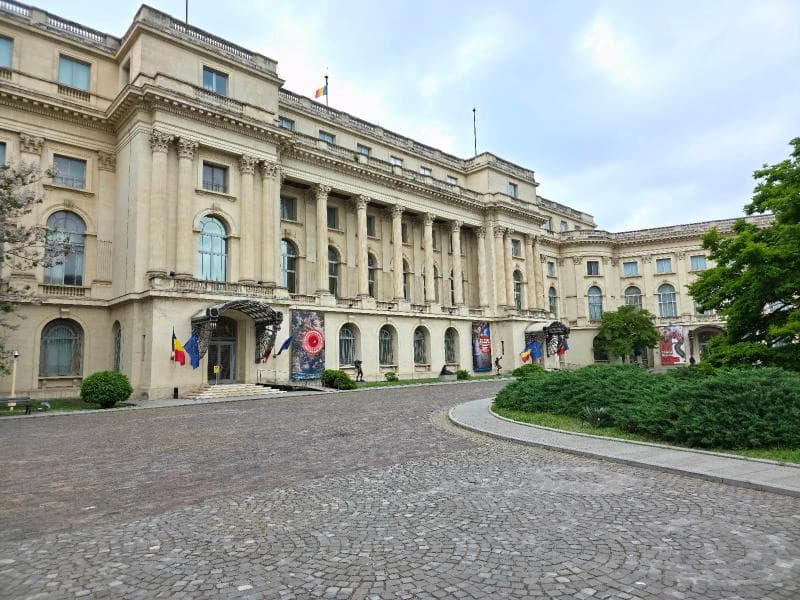
Explore Modern Romanian Art at the National Museum of Art of Romania in Bucharest. Discover masterpieces by Brâncuși, Grigorescu, and other pivotal artists shaping Romania's artistic identity from the 1850s to the 1970s.
Overview
Nestled within the grandeur of the former Royal Palace in Bucharest, the National Museum of Art of Romania (MNAR) stands as the country's foremost artistic institution. Among its rich collections, the Modern Romanian Art Gallery offers a captivating journey through the evolution of Romanian artistic expression. This significant sub-spot is a core component of the National Gallery, which also encompasses Romanian Medieval Art and the European Art Gallery. Visitors to this gallery can immerse themselves in a curated selection of artworks that chronicle Romanian art from the mid-19th century through to the 1970s, showcasing the dynamic periods that shaped the nation's visual culture.
History & Cultural Background
The National Museum of Art of Romania was formally established in 1948, building upon existing local private and royal collections. Its home, the former Royal Palace in Revolution Square, is itself a site steeped in history, offering a majestic backdrop to the artistic treasures held within. The path to its current form was not without challenges; the museum sustained damage during the 1989 Romanian Revolution. Following extensive restoration, parts of the museum, including the modern Romanian collection, progressively reopened to the public in the early 2000s, signifying a rebirth of cultural access. The Modern Romanian Art Gallery specifically charts the narrative of Romanian art from the 1850s, a period marked by a fervent desire among Romanian intellectuals to forge a distinct national visual identity, often influenced by contemporary French painting. It then extends its scope through the tumultuous decades of the 20th century, reflecting societal changes and artistic experimentation.
What Makes It Special
The Modern Romanian Art Gallery is distinguished by its comprehensive display of seminal works by artists who defined Romanian modernism. A highlight is the impressive collection of early works by Constantin Brâncuși, widely recognized as a pioneer of modernism and often referred to as the 'patriarch of modern sculpture'. These pieces offer rare insight into his strenuous attempts to break away from academic traditions and forge his unique artistic path.
The gallery also features ample monographic presentations of painters like Theodor Aman, Nicolae Grigorescu, and Ioan Andreescu, whose canvases vividly illustrate the strong influence of French artistic trends while maintaining a distinctly Romanian character. Subsequent generations of artists, including Ștefan Luchian, Theodor Pallady, Gheorghe Petrașcu, Nicolae Tonitza, and Ștefan Dimitrescu, further explore the veins of classical European modernism. For those interested in the avant-garde, works by M.H. Maxy, Marcel Iancu, and Victor Brauner make a compelling case for Romania's significant contribution to the European avant-garde movements of the 1920s and 1930s. The collection's strength lies in its ability to demonstrate a consistent openness to various international styles and trends, while simultaneously articulating a unique Romanian artistic voice.
Stories, Fun Facts & Local Details
Visiting the Modern Romanian Art Gallery is not just about observing art; it's about stepping into a piece of Romanian history. The museum's location within the former Royal Palace provides a majestic and historically charged atmosphere. Echoes of the past are tangible, as some walls within the building still bear traces like bullet holes from the 1989 Revolution, offering a poignant reminder of the turbulent times this nation has endured. The story of artists like Ștefan Luchian, who continued to paint even after becoming paralyzed, requiring brushes to be tied to his wrist, speaks volumes about the indomitable spirit of creation in the face of adversity. Moreover, the gallery's arrangement thoughtfully traces the journey of Romanian art as an active participant in the broader European cultural dialogue, illustrating how artists navigated the quest for a national identity within a globalized art world.
Visitor Perspective
For any traveler keen to understand the soul of Romania through its artistic output, the Modern Romanian Art Gallery is an indispensable stop. It offers not merely a collection of paintings and sculptures but a profound cultural immersion. As part of the National Gallery, it allows visitors to appreciate the chronological development of Romanian art, from medieval roots to modern expressions, all under one roof. The carefully curated exhibitions and the appealing display methods ensure that the artworks are not just viewed but experienced, providing a rich and informative overview of Romanian cultural identity. The grand setting of the Royal Palace further elevates the experience, making a visit both historically enriching and aesthetically satisfying.
Coordinates: 26.090947177255284, 44.43355546667185
View on Google Maps💬 How Travelers Describe This Place
Based on community votes
Photogenic
846Must See
564Beautiful
201Unique
121Interesting
87
Traveler Stories
Discover memorable experiences shared by travelers who have visited this place.
No traveler stories yet.
Be the first traveler to share what made this place memorable.

Tour
By
Spot
Discover amazing places around the world. Your journey starts here.
Explore
© 2026 TourBySpot. All rights reserved.