Modern Art Wing
Frankfurt, Germany
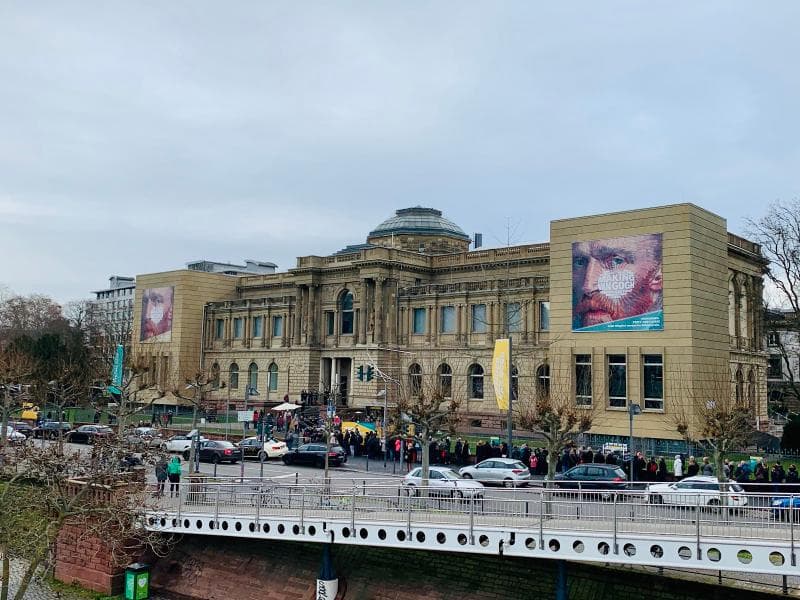
Explore the Modern Art Wing at the Städel Museum in Frankfurt, Germany, showcasing masterpieces from 1800-1945 including Monet, Picasso, and Beckmann.
Overview
Nestled along the picturesque Museum Embankment in Frankfurt, Germany, the Städel Museum stands as a beacon of European art history. Within its revered walls, the Modern Art Wing offers a captivating journey through approximately 150 years of artistic innovation, primarily spanning from 1800 to 1945. This dedicated section serves as a pivotal point for understanding the dramatic shifts and groundbreaking movements that defined modernism in painting and sculpture across Europe. It’s a space where the bold expressions of a transforming world come to life, inviting visitors to engage with art that challenged conventions and reshaped visual culture.
History & Cultural Background
The Städel Museum, officially the Städelsches Kunstinstitut und Städtische Galerie, was founded in 1815, making it Germany's oldest museum foundation. It owes its existence to the visionary Frankfurt banker and art patron Johann Friedrich Städel, who bequeathed his entire fortune and extensive art collection to establish an institute open to the public.
Over two centuries, the museum’s collection grew significantly, reflecting a commitment to acquiring important works that document the development of European art. The Modern Art collection began to take shape with a growing emphasis on 19th and early 20th-century movements. A significant expansion in 1990 saw the construction of a new building by Austrian architect Gustav Peichl, designed specifically for the display of 20th-century works and special exhibits. This development was crucial in providing dedicated space for the modern art holdings. The museum faced challenging times during the Nazi era; in 1937, 77 paintings and 700 prints were tragically confiscated, deemed 'degenerate art,' highlighting the profound cultural upheavals of the period. Despite such losses, the Städel’s dedication to modern art has persevered, continuing to offer a comprehensive overview of European modernity.
What Makes It Special
The Modern Art Wing at the Städel Museum is celebrated for its rich and diverse collection, particularly strong in German and French painting. It presents a focused survey of pivotal movements such as Realism, Impressionism, Symbolism, and Expressionism, alongside key works of Classical Modernism. Visitors can encounter masterpieces by renowned artists whose works reshaped the art world.
Among the highlights are evocative landscapes by Claude Monet, introspective portraits by Édouard Manet, and vibrant canvases by Pierre-Auguste Renoir. The collection also boasts significant works by German Expressionists like Ernst Ludwig Kirchner and Franz Marc, whose bold colors and dynamic forms captured the anxieties and innovations of their time. Max Beckmann's powerful and symbolic works are also prominently featured, offering a deep dive into the German art scene of the early 20th century. The inclusion of figures like Pablo Picasso further solidifies the wing's reputation as a vital repository for understanding the complexities and groundbreaking achievements of modern art.
Stories, Fun Facts & Local Details
Johann Friedrich Städel’s founding vision was remarkably forward-thinking for its time. His will stipulated that 'mediocre' works in his initial collection could be sold to acquire 'better' ones, ensuring a commitment to quality and continuous improvement that still guides the museum today. This farsighted approach allowed the Städel to adapt and expand its collection to include modern masterpieces, far beyond its founder's personal tastes.
The museum’s location on the 'Museumsufer' (Museum Embankment) in Frankfurt is a testament to the city's rich cultural landscape. This concentration of museums along the Main River was an initiative to make culture accessible to all, transforming the riverfront into a vibrant cultural hub. The Städel, as one of the oldest institutions there, played a pioneering role in this development. The museum operates as a civic foundation, continuously supported by the generous contributions of citizens and local businesses, echoing its founder’s desire for a public institution sustained by the community it serves. This local involvement fosters a deep connection between the museum and the people of Frankfurt.
Visitor Perspective
For the curious traveler, a visit to the Städel Museum’s Modern Art Wing is an immersive journey through a pivotal period in art history. The thoughtfully curated galleries allow for a chronological understanding of how art evolved, from the late 18th century through the avant-garde movements of the early 20th century. One can observe the fascinating dialogues between different artistic styles and national schools, gaining insights into the social and cultural changes that influenced artists.
The experience is designed to be engaging, with the opportunity to connect with some of the most influential artists and artworks of modernity. Walking through these spaces, you are encouraged to reflect on art's enduring questions: 'Who are we? Where do we come from? Where are we going?' The Städel’s Modern Art Wing provides not just a visual spectacle, but also a space for intellectual and emotional engagement, leaving a lasting impression of art’s power to inspire and provoke thought.
Coordinates: 8.67406, 50.10325
View on Google Maps💬 How Travelers Describe This Place
Based on community votes
Unique
445Interesting
416Must See
289Beautiful
141Photogenic
33
Traveler Stories
Discover memorable experiences shared by travelers who have visited this place.
No traveler stories yet.
Be the first traveler to share what made this place memorable.

Tour
By
Spot
Discover amazing places around the world. Your journey starts here.
Explore
© 2026 TourBySpot. All rights reserved.