Minarets
Dushanbe, Tajikistan
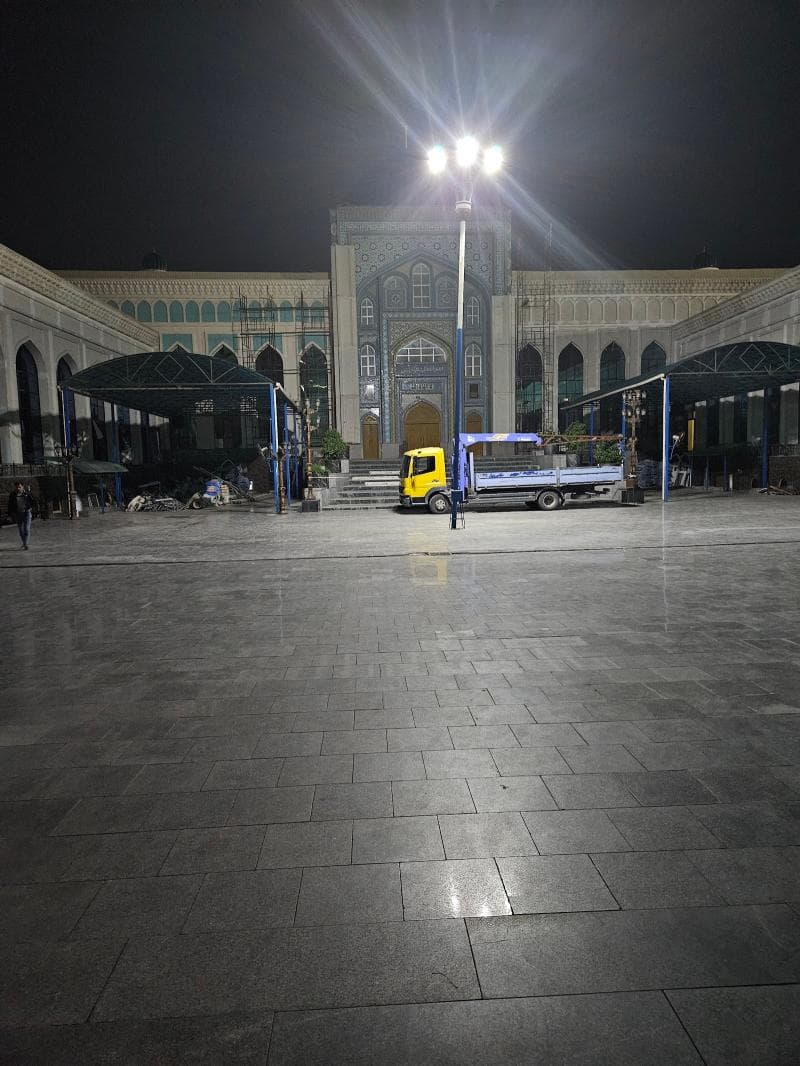
Overview
Nestled in the heart of Dushanbe, Tajikistan, the minarets of the Haji Yakoub Mosque stand as enduring symbols of the city's rich Islamic heritage and architectural prowess. While perhaps not as towering as some contemporary structures, these minarets possess a profound historical and cultural significance that speaks volumes about the community they serve. As part of one of Dushanbe's oldest and most revered places of worship, they offer a glimpse into the traditional Tajik-Persian architectural styles that have shaped the region for centuries. Visitors often find themselves drawn to the mosque's serene atmosphere, with the minarets reaching skyward, beckoning contemplation and admiration for their detailed craftsmanship. The mosque complex itself is not just a place for daily prayers but also a vibrant center for Islamic education and community life, making its minarets an integral part of Dushanbe's spiritual landscape.
History & Cultural Background
The origins of the Haji Yakoub Mosque trace back to 1856, founded with the generous support of Haji Yakoub and his mother. The main edifice visible today was constructed between 1905 and 1910, reflecting a long tradition of Islamic learning and worship in the region. Over its history, the mosque has undergone significant renovations, particularly after Tajikistan gained independence in 1991, allowing its intricate beauty to be preserved and enhanced. The design of the minarets, along with the rest of the mosque, incorporates Tajik national traditions of cult construction and art, showcasing a harmonious blend of Persian and Central Asian influences. This historical depth gives the minarets an aura of resilience, having witnessed and endured various periods of political and social change in Tajikistan.
What Makes It Special
What makes the minarets of the Haji Yakoub Mosque truly special is not just their physical form, but their embodiment of a continuous religious and cultural narrative. Unlike the grandiose, modern minarets of newer mosques, those at Haji Yakoub Mosque represent a connection to Dushanbe's past. Descriptions often highlight 'a tall crescent-topped minaret,' emphasizing its traditional Islamic silhouette against the Dushanbe skyline. Furthermore, one minaret is notably 'tile covered,' suggesting an application of traditional mosaic (mo'araq) tiles, which are a hallmark of Central Asian Islamic art and are also found on other parts of the mosque's exterior and interior. This detailed tile work, combined with ornate decorations and carved wooden elements found throughout the mosque, testifies to the skilled craftsmanship of local artisans. These minarets serve as architectural beacons, symbolizing faith, history, and the enduring presence of Islamic culture in Tajikistan.
Stories, Fun Facts & Local Details
While specific 'fun facts' directly about the minarets themselves are rare, the Haji Yakoub Mosque, and by extension its minarets, is steeped in local significance. It's often referred to as a 'hidden gem,' a local space that offers a serene and beautiful experience, contrasting with the often more commercialized tourist attractions. The minarets, as vocal points for the call to prayer (adhan), symbolize the daily rhythm of life for the faithful in Dushanbe. The mosque's role as the central mosque of the capital and home to the Islamic Centre of the Republic of Tajikistan highlights its continued importance as a spiritual and educational hub. For locals, the minarets are not just architectural features but familiar landmarks that resonate with generations of personal and collective memories, witnessing countless prayers and community gatherings. They silently watch over a city that has evolved significantly, yet they remain a constant reminder of its deeply rooted traditions.
Visitor Perspective
For a curious traveler, observing the minarets of the Haji Yakoub Mosque offers more than just a visual experience; it's an invitation to connect with the living history and spiritual heart of Dushanbe. From a distance, their traditional silhouette, especially the 'crescent-topped' design, stands out against the urban backdrop, hinting at the beauty within. Up close, the possibility of 'tile covered' surfaces suggests an opportunity to appreciate the intricate artistry unique to Central Asian Islamic architecture. When visiting the mosque, it's customary to dress modestly, and women are expected to wear a headscarf, out of respect for the sacred space. Entering the mosque complex outside of prayer times allows for a tranquil exploration of its courtyards and the appreciation of the minarets' role in defining its sacred geometry. They symbolize the threshold between the mundane and the spiritual, inviting visitors to pause, reflect, and absorb the peaceful ambiance of this revered site.
Coordinates: 68.7844, 38.563
View on Google Maps💬 How Travelers Describe This Place
Based on community votes
Interesting
898Photogenic
667Beautiful
618Must See
449Unique
308
Traveler Stories
Discover memorable experiences shared by travelers who have visited this place.
No traveler stories yet.
Be the first traveler to share what made this place memorable.

Tour
By
Spot
Discover amazing places around the world. Your journey starts here.
Explore
© 2026 TourBySpot. All rights reserved.