Military Museum
Yerevan, Armenia
Explore the Mother Armenia Military Museum in Victory Park, Yerevan, Armenia. Discover Armenia's WWII and Artsakh War history and national resilience.
Overview
Nestled within the expansive and historically rich Victory Park in Yerevan, Armenia, visitors will discover the profoundly significant Mother Armenia Military Museum. This institution, housed dramatically within the pedestal of the towering Mother Armenia monument, serves as a poignant chronicle of Armenia's military history and the unwavering spirit of its people. From its elevated position, the museum and its surrounding memorial complex offer not only a deep dive into national memory but also breathtaking panoramic views of the city of Yerevan, with Mount Ararat often visible in the distance.
History & Cultural Background
Victory Park itself was inaugurated on November 29, 1950, to commemorate the Soviet victory over Nazi Germany in the Great Patriotic War. Initially, the park's centerpiece was a colossal 17-meter statue of Joseph Stalin, which stood atop a basalt pedestal designed by architect Rafael Israelyan. Israelyan, with remarkable foresight, designed the pedestal to resemble a traditional three-nave Armenian church, reportedly anticipating that Stalin's image might not endure forever. Indeed, the Stalin statue was dismantled in 1962 during Khrushchev's de-Stalinization efforts, a process not without incident, as some workers were injured during its removal.
Five years later, in 1967, the iconic Mother Armenia statue, a 22-meter hammered copper sculpture by Ara Harutyunyan, was erected on the same pedestal. This majestic figure, holding a sword and shield, symbolizes peace through strength, guarding Yerevan and representing the nation's readiness to defend its homeland. The museum itself was established in 1970, originally as the Museum of the Great Patriotic War, marking the 25th anniversary of the victory. Following Armenia's independence, it was renamed the Military Museum of Mother Armenia in 1995, evolving to reflect a broader scope of national military engagement.
What Makes It Special
The Mother Armenia Military Museum is unique for several compelling reasons. Its location inside the colossal pedestal of the Mother Armenia monument immediately sets a powerful tone. The interior of the pedestal, true to Israelyan's original design, evokes the solemnity of an Armenian church, creating an almost sacred space for reflection on national sacrifice. The museum's extensive collection, comprising over 30,000 exhibits, provides a comprehensive look into two pivotal periods of Armenian military history.
One section is dedicated to the substantial contributions of Armenians in World War II, showcasing the valor of six Armenian divisions and the legacies of prominent marshals and generals such as Hovhannes Baghramyan. The other significant portion of the exhibition focuses on the Artsakh Liberation War (Nagorno-Karabakh War), documenting this more recent conflict with photographs, personal effects, and narratives of national heroes, including the liberation of Shushi. This dual focus highlights the continuous thread of struggle and resilience throughout Armenian history.
Stories, Fun Facts & Local Details
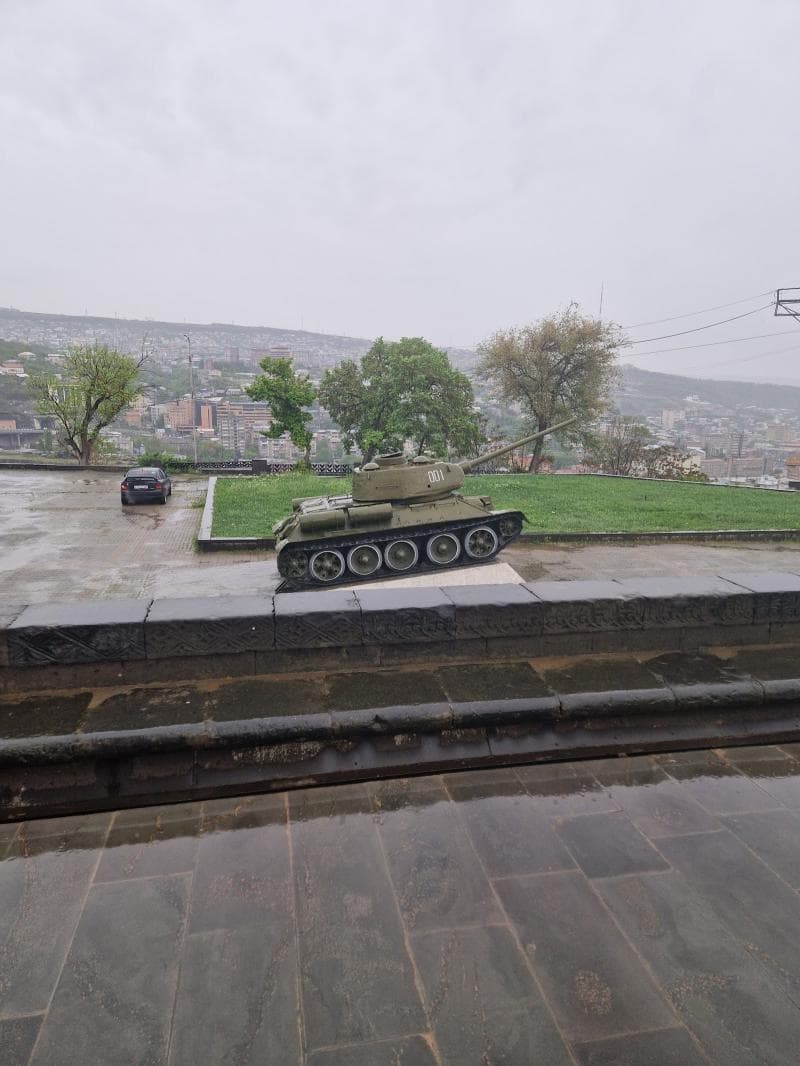
A fascinating detail often shared is the architect Rafael Israelyan's foresight in designing the pedestal. He built it as an empty three-story structure reminiscent of an Armenian church, preparing for the day when Stalin's image would inevitably be removed, allowing for a new, enduring symbol to take its place. This architectural prescience underlines a deep understanding of historical impermanence and cultural continuity. Outside the museum, near the monument, an eternal flame burns at the Tomb of the Unknown Soldier, honoring those who fell in defense of the nation. An open-air exhibition of Soviet-era military vehicles and weaponry further enhances the historical context, inviting visitors to ponder the instruments of past conflicts.
Locals often refer to the entire complex, and even the surrounding district, simply as 'Monument.' The park is not just a place of historical gravity; it is also a lively community space where families gather, particularly on holidays, and where a double celebration of Victory Day and Shushi Liberation Day is held annually.
Visitor Perspective
Visiting the Mother Armenia Military Museum is a profoundly moving experience, offering a chance to connect with the resilience and sacrifices that have shaped the Armenian nation. The entry to the museum is free, making it accessible to all who wish to explore this vital part of Armenian heritage. The museum typically operates from Tuesday to Sunday, generally between 10:00 and 17:00, though Sunday hours may be shorter. Allow ample time to explore both floors of exhibits and to reflect in the solemn atmosphere. Afterward, take a stroll through Victory Park, enjoying the recreational facilities, the tranquil artificial lake, and the stunning views over Yerevan. This combined experience offers a blend of historical enlightenment, cultural immersion, and peaceful contemplation.
Coordinates: 44.51972, 40.19583
View on Google Maps💬 How Travelers Describe This Place
Based on community votes
Must See
998Photogenic
897Beautiful
641Interesting
481Unique
196
Traveler Stories
Discover memorable experiences shared by travelers who have visited this place.
No traveler stories yet.
Be the first traveler to share what made this place memorable.

Tour
By
Spot
Discover amazing places around the world. Your journey starts here.
Explore
© 2026 TourBySpot. All rights reserved.