Metropolitan House
Kiev, Ukraine
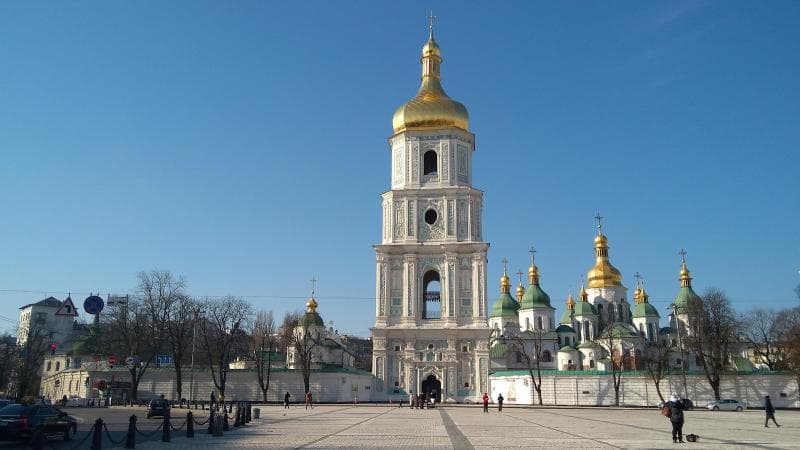
Explore the Metropolitan House within Kyiv's Saint Sophia Cathedral. Discover its 18th-century Ukrainian Baroque architecture, rich history as a Metropolitan's residence, and its role as a UNESCO World Heritage site in Ukraine.
Overview
The Metropolitan House, an architectural gem nestled within the hallowed grounds of Saint Sophia Cathedral in Kyiv, Ukraine, offers a captivating journey through centuries of Ukrainian history and culture. This elegant structure, also known as the Metropolitan's Residence, is an integral part of the 'Sophia of Kyiv' National Sanctuary, a distinguished UNESCO World Heritage site. Once serving as the official dwelling for the esteemed Kiev Metropolitans, it now functions as a historical and architectural museum, inviting travelers to explore its storied past. Its distinctive Ukrainian Baroque style presents a fascinating contrast to the ancient Byzantine origins of the main cathedral, enriching the overall historical narrative of this iconic complex. Visiting the Metropolitan House provides an intimate glimpse into the administrative heart of the Orthodox Church in Kyiv, showcasing layers of history from its 18th-century construction to its modern-day role as a cultural institution.
History & Cultural Background
The Metropolitan House's story is intrinsically linked with the evolution of the Saint Sophia Cathedral complex. While the cathedral itself dates back to the 11th century, founded by Yaroslav the Wise, the Metropolitan House emerged much later, built between 1722 and 1730. It was designed to be the official residence for the Metropolitans of Kyiv, serving as both living quarters and an administrative hub for the spiritual leader of the Ukrainian Orthodox Church. Initially a single-story edifice, it underwent significant expansion between 1731 and 1748, when a second floor and an attic were added, transforming it into the grand palace-like structure visible today. This period of development saw several Metropolitans contributing to its form. Barlaam Vanatovych initiated the construction, while his successor, Raphael Zaborovsky, was instrumental in adding the second story, possibly with architect I.G. Shedel. The building's completion is attributed to Timothy Scherbatsky, who engaged architect S. Antonov to finalize the design. These individuals were pivotal in shaping the residence's unique Ukrainian Baroque character, reflecting the flourishing of Orthodox monastic life following earlier periods of destruction.
What Makes It Special
The Metropolitan House stands out due to its exquisite Ukrainian Baroque architecture, a defining style for many monastic buildings within the Saint Sophia complex. Its facades are adorned with magnificent baroque pediments, exemplifying the elaborate decorative aesthetics of the 18th century. As an integral part of the Saint Sophia Cathedral ensemble, the Metropolitan House is proudly included in the UNESCO World Heritage list, testifying to its profound cultural and historical significance. More than just an ancient dwelling, it is a meticulously preserved 'memorial to the palace architecture of the XVIII century.' A comprehensive restoration project, completed in 2008 with support from the Rinat Akhmetov Foundation, painstakingly revitalized the structure. This effort included reinforcing the foundation, restoring walls and ceilings, and reinstating authentic interior designs and furniture from the 17th to 19th centuries, allowing visitors to experience its former splendor. Beyond its architectural merit, the Metropolitan House has hosted international cultural events, such as an exhibition of bronze sculptures from Louis XIV's collection in collaboration with the Louvre in 2008, showcasing its role as a vibrant cultural center.
Stories, Fun Facts & Local Details
Imagine the historical narratives etched into the walls of the Metropolitan House, where Metropolitans managed the spiritual and administrative life of Kyiv. The transformation from a modest single-story building to a grand two-story palace with an attic in the mid-18th century illustrates the growing influence and stature of the Kyiv Metropolia. The architectural vision of figures like Raphael Zaborovsky, who oversaw the addition of the second story, speaks to a period of artistic ambition, transforming the residence into a 'pearl of the Ukrainian Baroque.' The careful details of its baroque pediments and the selection of period furniture during its restoration offer a tangible connection to the past, inviting visitors to envision life within these historic chambers. This building, having witnessed centuries of change, adapts and endures as a vital part of the Saint Sophia complex. A visit here transcends architectural appreciation; it is about understanding the intertwining of power, faith, and culture that flourished around the great cathedral. Together with other monastic buildings, the Metropolitan House narrates the complex's evolution from an ancient Kyivan Rus' cathedral to a vibrant Baroque monastic center and, ultimately, a modern national sanctuary.
Visitor Perspective
For any curious traveler exploring Saint Sophia Cathedral, the Metropolitan House presents an enriching and essential experience. Conveniently located within the cathedral complex, it offers a seamless transition from the awe-inspiring ancient mosaics of the main cathedral to the 18th-century elegance of the Metropolitan's former home. Inside, visitors will discover meticulously preserved rooms and informative exhibitions that illuminate the daily routines, administrative responsibilities, and significant cultural impact of the Metropolitans who once resided here. The authentic interiors and period furniture provide a vivid window into a bygone era, fostering a deeper appreciation for Ukrainian history and the profound role of the Orthodox Church. As a key component of the National Reserve 'Sophia of Kyiv,' the Metropolitan House is crucial for a comprehensive understanding of this UNESCO World Heritage site. It offers a unique opportunity to observe how diverse architectural styles and historical epochs coexist harmoniously within one magnificent cultural landmark. Exploring the Metropolitan House adds substantial depth to your visit, moving beyond purely religious significance to encompass the broader cultural and administrative heritage embodied in this beautiful Baroque structure.
Coordinates: 30.5144, 50.4528
View on Google Maps💬 How Travelers Describe This Place
Based on community votes
Unique
401Interesting
324Beautiful
289Must See
68Photogenic
63
Traveler Stories
Discover memorable experiences shared by travelers who have visited this place.
No traveler stories yet.
Be the first traveler to share what made this place memorable.

Tour
By
Spot
Discover amazing places around the world. Your journey starts here.
Explore
© 2026 TourBySpot. All rights reserved.