Merchant Quarters
Edinburgh, United Kingdom
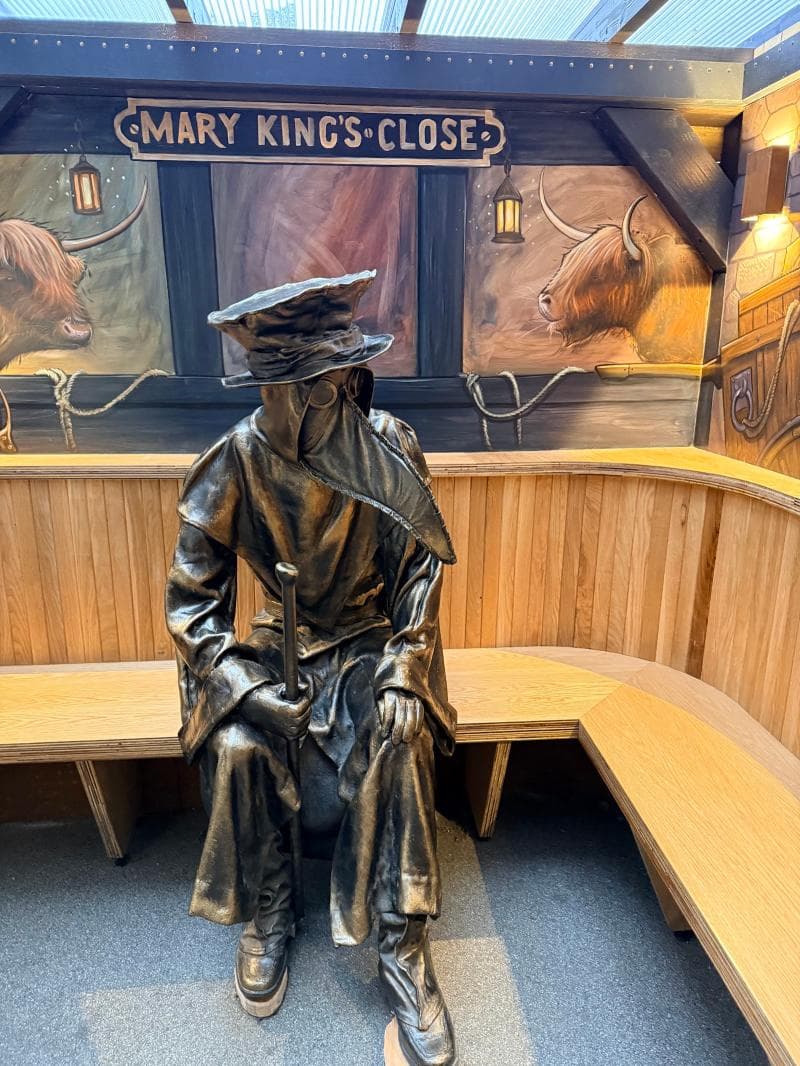
Discover the hidden Merchant Quarters within The Real Mary King's Close, Edinburgh, United Kingdom. Explore preserved 17th-century streets and uncover captivating stories.
Overview
Step into a realm where time has stood still, beneath the bustling streets of Edinburgh's Royal Mile, to explore the Merchant Quarters within The Real Mary King's Close. This unique subterranean labyrinth offers an unparalleled glimpse into 17th-century Edinburgh, a city built layer upon layer. It's not merely an attraction; it's a preserved piece of history, allowing visitors to walk through the very rooms and streets where past generations lived, worked, and faced the challenges of their era. The Merchant Quarters, like the rest of the Close, was once a vibrant and essential part of the city's commercial and social fabric, now silently awaiting discovery below the modern world.
History & Cultural Background
Edinburgh's Old Town is famously characterised by its 'closes' – narrow alleyways and wynds that branch off the main thoroughfare of the Royal Mile. These closes were originally densely populated vertical communities, with multi-story tenement buildings housing numerous families and businesses. The Real Mary King's Close, in particular, was one of the largest and most significant, second only to the Royal Mile itself in its 17th-century prominence.
The Close takes its name from Mary King, a remarkable merchant burgess who resided there in the 17th century. After her husband's death, she maintained her surname, King, and, unusually for a woman of her time, gained a seat on the Edinburgh Council, granting her voting rights nearly 300 years before other women in the UK.
Life in these closes was far from idyllic. The city earned the nickname 'Auld Reekie' due to the smoke and the pervasive smells from poor sanitation, including the practice of 'gardyloo' where human waste was thrown from windows onto the streets below. These cramped and unsanitary conditions, coupled with poor ventilation, made the closes particularly vulnerable to diseases like the devastating bubonic plague of 1645. Myths abound regarding the plague, including tales of victims being walled up in their homes, though historical accounts suggest a more complex picture of quarantine measures.
The transformation of Mary King's Close from a lively street to an underground relic occurred in the 18th century. When the Royal Exchange (now the City Chambers) was constructed, the lower sections of the Close were incorporated into the foundations of the new building, effectively burying and preserving these ancient streets and dwellings beneath the new city structure.
What Makes It Special
What sets The Real Mary King's Close apart is its exceptional preservation. Unlike many historical sites that are reconstructed or interpreted, this is an actual 17th-century street, frozen in time, offering an authentic, tangible link to Edinburgh's past. Visitors don't just hear about history; they walk through it, experiencing the confined spaces, dimly lit rooms, and cobbled pathways that once teemed with life.
The site's unique appeal lies in its ability to transport you directly into the past, fostering a deep sense of connection with the people who called these underground dwellings home. It serves as a stark reminder of the harsh realities of urban life centuries ago, contrasting sharply with the vibrant Royal Mile above. The intertwining of factual history with the enduring myths and legends surrounding the Close creates a compelling narrative that is both educational and emotionally resonant.
Stories, Fun Facts & Local Details
One of the most compelling figures associated with the Close is Mary King herself. A shrewd businesswoman, she bought properties and held significant influence in a male-dominated society, highlighting a surprising degree of female empowerment in 17th-century Edinburgh. Her story is a testament to the resilience and ambition of the people who inhabited these closes.
The Close is also steeped in ghost stories, a natural consequence of its eerie atmosphere and tragic past. Perhaps the most famous tale is that of 'Annie', a young girl said to have been left behind by her family during the plague. Visitors often leave gifts like dolls, sweets, or coins in her room, a poignant tradition that continues today. These donated items are then passed on to children's charities, turning a haunting legend into a heartwarming act of kindness.
The naming conventions of Edinburgh's closes often reflected their primary function or a prominent resident. While some were named after merchants, others like 'Fleshmarket Close' clearly indicated the trade that took place there, providing a fascinating insight into the city's economic life. Exploring these details brings a richer understanding of daily existence in 'Auld Reekie'.
Visitor Perspective
Visiting the Merchant Quarters and The Real Mary King's Close is an immersive journey into Edinburgh's hidden depths. Guided tours, often led by character guides in period costume, bring the stories of the former residents to life with engaging narratives and historical context. The experience is designed to be informative, offering clear explanations of the city's social structure, health challenges, and daily routines from centuries past.
As you navigate the narrow, often dimly lit passages and vaulted chambers, you'll gain a visceral understanding of the living conditions of the time. While there are no actors dressed as ghosts to intentionally frighten visitors, the authenticity of the environment and the chilling, real-life stories based on actual inhabitants can be profoundly impactful. It's an experience that appeals to those curious about history, eager for storytelling, and appreciative of cultural immersion. Visitors should be prepared for stairs and uneven, sometimes damp, surfaces, and comfortable footwear is recommended.
Coordinates: -3.1905, 55.9499
View on Google Maps💬 How Travelers Describe This Place
Based on community votes
Must See
639Beautiful
569Interesting
476Photogenic
465Unique
128
Traveler Stories
Discover memorable experiences shared by travelers who have visited this place.
No traveler stories yet.
Be the first traveler to share what made this place memorable.

Tour
By
Spot
Discover amazing places around the world. Your journey starts here.
Explore
© 2026 TourBySpot. All rights reserved.