Memorial Chapel
Minsk, Belarus
Explore the Memorial Chapel on the Island of Tears in Minsk, Belarus, a powerful memorial honoring Belarusian soldiers lost in the Soviet-Afghan War.
Overview
Nestled gently on an artificial island within the flowing Svislach River in Minsk, Belarus, lies the deeply poignant Memorial Chapel, the central feature of the 'Island of Tears' memorial complex. Officially known as the 'Island of Courage and Sorrow', this solemn site serves as a profound tribute to Belarusian soldiers who lost their lives in the Soviet-Afghan War from 1979 to 1989. Connected to the historic Trinity Hill district by a small footbridge, the memorial offers a tranquil yet powerful space for remembrance and reflection. Its design, inspired by ancient Belarusian architecture, invites visitors into a narrative of loss, resilience, and national mourning.
The memorial complex, completed in 1996, is dominated by the chapel, which features an altar and walls inscribed with the names of fallen soldiers. Surrounding the chapel are evocative bronze sculptures depicting grieving women, symbolizing the mothers, wives, and sisters who suffered the immense pain of loss. The entire island, with its meticulously maintained paths and peaceful park amenities, provides a setting conducive to quiet contemplation, encouraging visitors to connect with the historical significance and emotional weight of the site.
History & Cultural Background
The genesis of the Island of Tears dates back to the late 1980s, with construction commencing around 1988, even before the Soviet forces fully withdrew from Afghanistan. The memorial was officially opened in August 1996, reflecting a national desire to honor the estimated 771 Belarusian soldiers who perished in the decade-long conflict. Initially dedicated to these specific soldiers, the memorial has since broadened its symbolic scope to commemorate all Belarusian warriors who have died in conflicts beyond the country's borders, making it a broader symbol of national mourning.
The architectural style of the Memorial Chapel draws inspiration from the 12th-century Church of Euphrosyne of Polotsk, blending historical reverence with contemporary memorial design. This blend creates a spiritual atmosphere that resonates deeply with Belarusian cultural traditions, offering a sacred space where the past is honored and remembered. The island itself is man-made, a deliberate choice to set it apart as a unique place of solemn commemoration.
What Makes It Special
What truly sets the Memorial Chapel and the Island of Tears apart is its raw emotional honesty and intricate symbolism. The chapel's interior holds four altars with carved names of the 771 soldiers, allowing family members and visitors to light candles and offer prayers for the souls of the deceased. Biblical motifs adorn the dome and walls, further enhancing the spiritual resonance of the space. Archangels Michael and Gavriila, considered guardians of Belarusian soldiers since ancient times, are also depicted.
Outside, the bronze statues of weeping women evoke a universal sense of maternal grief, while the iconic sculpture of a weeping angel stands guard. This angel is said to shed real water from its eyes year-round, a powerful symbol of inconsolable sorrow for those who never returned. A unique detail within the chapel is a time capsule containing soil brought from Afghanistan by the mothers of the soldiers, forging a tangible link to the distant battlegrounds and the personal sacrifices made.
Stories, Fun Facts & Local Details
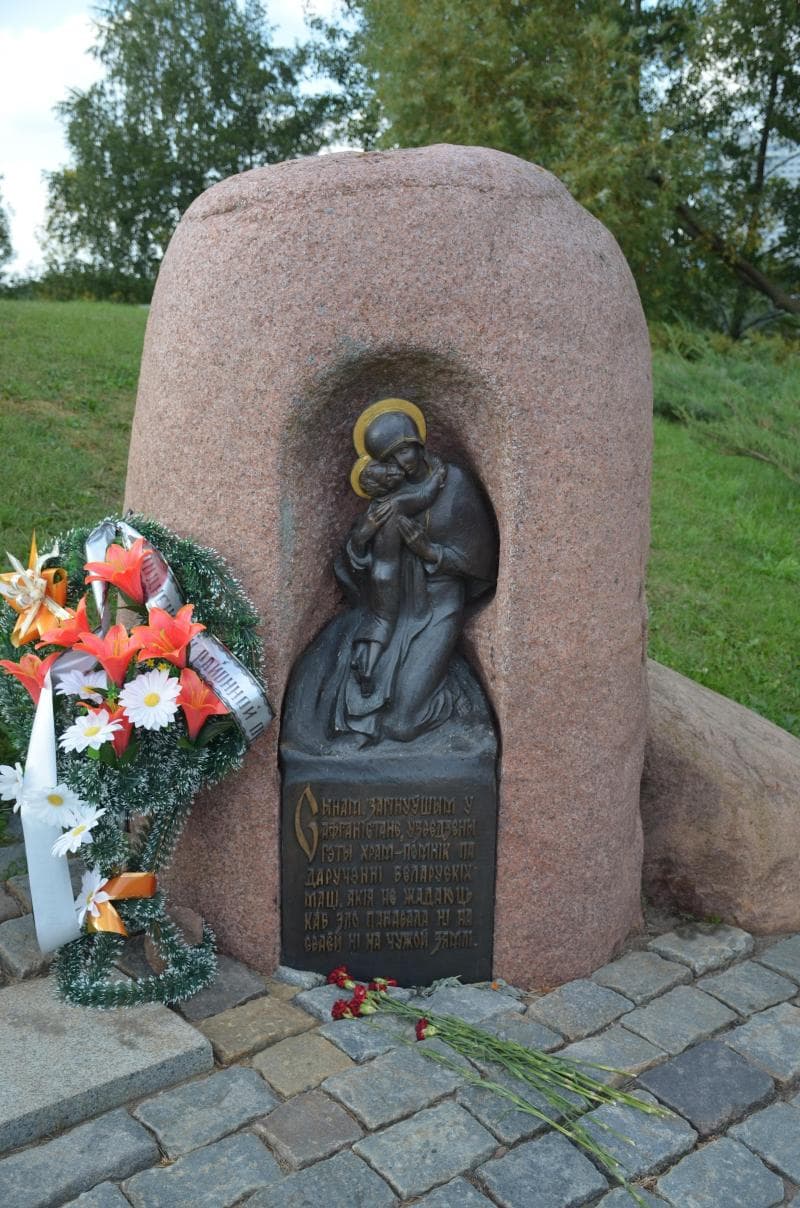
One of the most compelling local legends surrounding the Island of Tears is the belief that the tears of a grieving mother supposedly created a nearby stream, lending the memorial its popular, yet unofficial, name: 'Island of Tears.' At the entrance to the footbridge, a stone is engraved with an icon of St. Mary and a message in Belarusian and Russian: 'This memorial is built in the memory of the sons who were lost in Afghanistan, on behalf of the Belarusian mothers who do not want the evil to dominate on their or any other land.'
Another striking feature is the chapel's floor, which slopes inward, creating a disorienting sensation akin to the deck of a sinking ship. This architectural detail powerfully symbolizes the chaos and tragedy of war. Although a place of profound sorrow, the Island of Tears also plays a role in Belarusian traditions, with newlyweds often visiting war memorials on their wedding day, a practice believed by some to ensure blessings.
Visitor Perspective
Visiting the Island of Tears is a deeply moving experience that offers a profound opportunity for quiet reflection. The atmosphere is consistently somber and respectful, encouraging visitors to absorb the historical narrative and emotional depth of the memorial. Walking across the arched bridge from Trinity Hill, one immediately senses the separation of this sacred space from the bustling city. The well-maintained paths allow for a peaceful stroll around the island, enabling visitors to view the poignant sculptures and the chapel from various angles.
Many visitors choose to leave flowers or light candles as gestures of commemoration. The best times to visit are often during spring and autumn when the weather is mild and the surrounding nature is at its peak. While accessible year-round, early mornings or late afternoons tend to be quieter, offering a more introspective experience. It's a place that transcends a simple monument, inviting contemplation on the human cost of conflict and the enduring power of remembrance in Belarusian culture.
Coordinates: 27.55451, 53.90964
View on Google Maps💬 How Travelers Describe This Place
Based on community votes
Interesting
912Must See
875Unique
820Beautiful
718Photogenic
479
Traveler Stories
Discover memorable experiences shared by travelers who have visited this place.
No traveler stories yet.
Be the first traveler to share what made this place memorable.

Tour
By
Spot
Discover amazing places around the world. Your journey starts here.
Explore
© 2026 TourBySpot. All rights reserved.