Memorabilia Rooms
Stockholm, Sweden
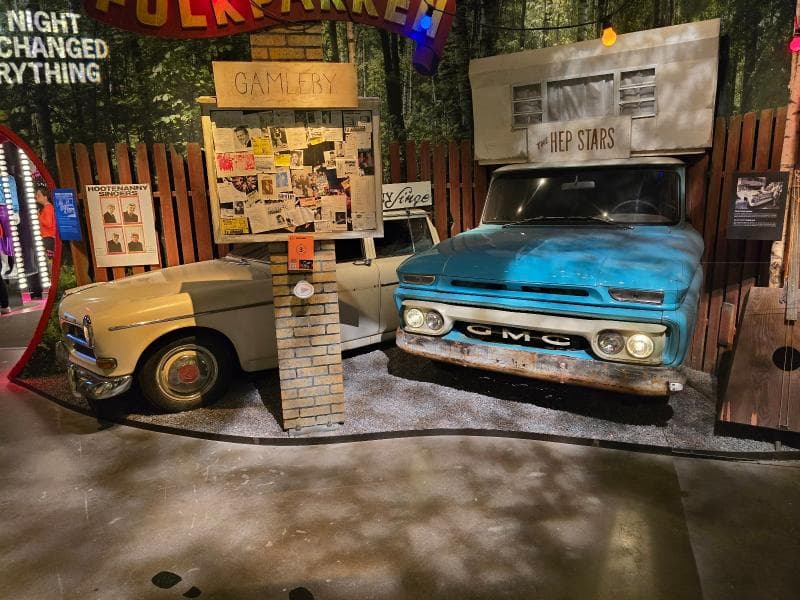
Explore the Memorabilia Rooms at ABBA The Museum in Stockholm, Sweden. Discover authentic costumes, gold records, instruments, and personal artifacts of the legendary pop group.
Overview
Nestled on the picturesque island of Djurgården in Stockholm, Sweden, ABBA The Museum stands as a vibrant homage to one of the world's most beloved pop groups. While the entire museum is a treasure trove, the essence of the 'Memorabilia Rooms' permeates its various exhibitions, offering an unparalleled glimpse into the lives and careers of Agnetha, Björn, Benny, and Frida. It is here that visitors can walk through a tangible history of ABBA, surrounded by the authentic artifacts that defined their journey to global superstardom. From dazzling stage costumes to personal instruments, each item tells a part of the legendary quartet's story, allowing fans and curious travelers alike to connect with the band on a deeply personal level.
History & Cultural Background
ABBA The Museum opened its doors in May 2013, created with the direct involvement of the band members themselves, ensuring its authenticity and comprehensive scope. The museum's conception was driven by a desire to preserve ABBA's immense cultural legacy, transforming their global impact into an accessible and immersive experience. ABBA, active from 1972 to 1982, transcended language barriers and cultural divides with their infectious melodies and distinctive sound, becoming one of the best-selling music artists of all time. The 'Memorabilia Rooms' concept within the museum is central to this mission, offering a physical manifestation of their artistic journey. These carefully curated collections provide historical context, showcasing how four individuals from Sweden became a worldwide phenomenon, influencing pop music and culture for generations.
What Makes It Special
What makes the memorabilia collection at ABBA The Museum truly special is its authenticity and the immersive way it is presented. Unlike a static display, the museum integrates these historical artifacts into interactive environments that bring ABBA's world to life. Visitors encounter original stage costumes, often flamboyant and emblematic of the 1970s and early 80s, displayed in sections like the 'Gold Room' alongside numerous gold records and album covers celebrating their monumental sales. Instruments used during their recording sessions, such as Benny's piano and Björn's guitars, offer a direct connection to the creation of their iconic sound. The museum also features personal belongings, handwritten lyrics, and private photographs, providing intimate insights into the band members' lives both on and off stage. Replicas of significant spaces, like the legendary Polar Studio where many hits were recorded and their summer house on Viggsö, are meticulously furnished with original items, creating an almost 'walk-through' experience of their creative process and personal moments.
Stories, Fun Facts & Local Details
The artifacts within ABBA The Museum are steeped in stories and fun facts. For instance, in the replica of Polar Studio, visitors can see Benny Andersson's self-playing piano, which is famously linked to his actual piano at home, occasionally playing spontaneously when Benny is playing his own instrument. The 'Waterloo' exhibit transports visitors back to Brighton in 1974, displaying the actual costumes worn by the band during their iconic Eurovision Song Contest win, a pivotal moment that launched their international career. These costumes, with their bold designs, are not just clothing but symbols of a cultural moment. Handwritten lyrics offer a rare glimpse into the songwriting process, revealing the creative thoughts and revisions behind their timeless hits. The collection also includes gifts and letters from fans, highlighting the profound connection ABBA forged with their audience worldwide. These personal touches, combined with the professional sheen of their career, paint a full picture of their unique journey.
Visitor Perspective
For a curious traveler, exploring the 'Memorabilia Rooms' within ABBA The Museum is far from a typical museum visit. It's an engaging journey through music history, evoking nostalgia for long-time fans and offering an illuminating education for newcomers. The meticulous preservation and presentation of every costume, instrument, and personal artifact allow visitors to feel truly immersed in ABBA's world. Walking past the sequined outfits, one can almost hear the music and feel the energy of their live performances. Seeing the actual mixing desk from Polar Studio or the handwritten notes brings a sense of proximity to the creative genius of the band. The museum expertly balances historical exhibition with interactive elements, ensuring that while the physical artifacts tell their story, visitors can also engage with the music and legacy in a dynamic way, creating a memorable and inspiring experience that is both informational and deeply emotional.
Coordinates: 18.096, 59.325
View on Google Maps💬 How Travelers Describe This Place
Based on community votes
Beautiful
998Interesting
903Unique
481Photogenic
458Must See
92
Traveler Stories
Discover memorable experiences shared by travelers who have visited this place.
No traveler stories yet.
Be the first traveler to share what made this place memorable.

Tour
By
Spot
Discover amazing places around the world. Your journey starts here.
Explore
© 2026 TourBySpot. All rights reserved.